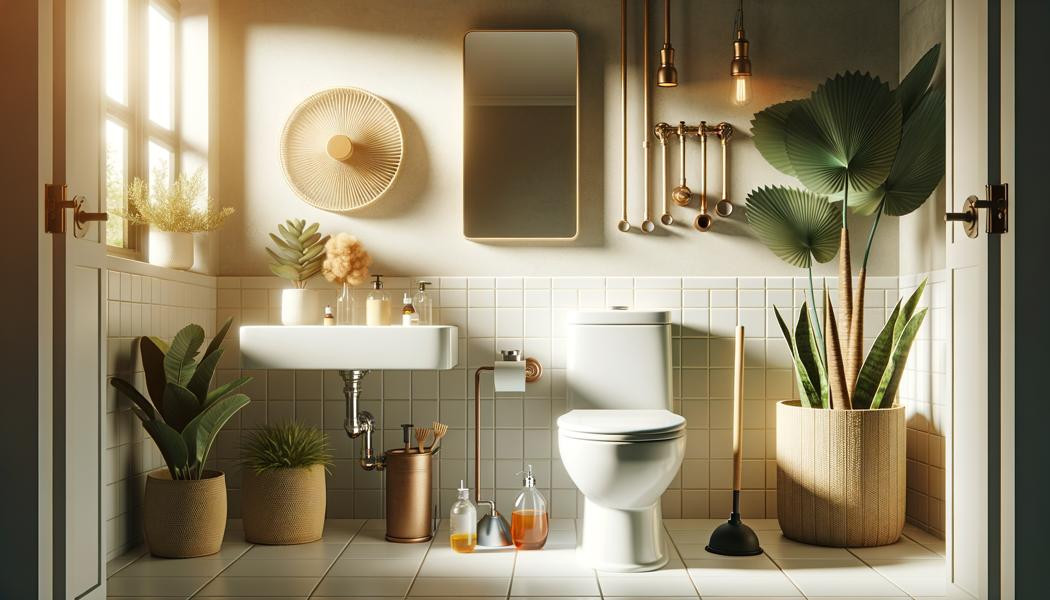
In the modern era, plumbing issues such as clogs in the toilet have become a frequent concern. Understanding how to avoid these inconveniences is essential not only for comfort but also for the health of your plumbing. This article presents practical tips to prevent frequent clogs in your toilets. We will discuss common causes of these problems, prevention tips, natural solutions, as well as information on when to call a professional. By integrating these methods, you can keep your plumbing system in excellent condition hassle-free.
Need help unclogging your toilet? Quickly find a qualified provider on Helplease and benefit from tailor-made service to meet all your needs. Discover professionals near you!Summary
- What are the common causes of clogs in the toilet?
- How can you prevent residue buildup in your toilet?
- Which natural products can help unclog your toilet?
- What mistakes should you avoid when unclogging the toilet?
- How do you properly use a plunger to unclog?
- When should you call a professional for a clogged toilet?
- Which plumbing tools can be useful to unclog your toilet?
- How important is regular drain maintenance?
- What simple actions can reduce the risk of clogs in your toilet?
- How can you avoid inappropriate objects in the toilet?
- What role does the design of your toilet play in clogging issues?
- What are the alternatives to chemical products for unclogging the toilet?
What are the common causes of clogs in the toilet?
Toilet clogs are generally caused by a buildup of various elements such as toilet paper, organic waste, and foreign objects. One of the most frequent causes is excessive use of toilet paper, which, combined with irregularities in the plumbing, can quickly form a blockage. Additionally, certain items such as disposable wipes may end up flushed, causing blockages that are difficult to remove.
Another cause of recurring clogs can be a combination of hair and soap residue accumulating in the pipes. These compounds can create masses that often take up space, making water flow difficult. In some cases, tree roots may infiltrate pipes and cause major blockages. Understanding these causes is crucial to preventing future problems.
Poorly designed toilets or faulty installation can also contribute to clogs. For example, pipes that are too narrow or sharp bends in the circuit can hinder normal flow. By identifying these problems, you can take preventive measures to effectively protect your toilet.
Finally, limescale and other mineral deposits can form inside your pipes, significantly restricting water flow. This further increases the risk of clogs and requires special attention in toilet maintenance, as mineral buildup happens silently over time.
Professionals, looking for more clients? Sign up on Helplease today to offer your services and expand your business. Access a large customer base in just a few clicks!How can you prevent residue buildup in your toilet?
Prevention is essential to avoid clogs in your toilet. An effective method is to raise everyone’s awareness in the household about what can be flushed. Avoid allowing access to wipes, hygiene products, and other non-biodegradable items. Make sure to provide adequate trash bins in bathrooms, with clear instructions for what should be disposed of there.
Furthermore, proper water usage is crucial. Make sure your flush functions correctly and avoid flushing multiple times in a row, which could worsen problems. An effective flush will help minimize the risk of residue in your pipes.
Regular toilet maintenance is just as important. Use appropriate cleaning products and carry out thorough cleanings each month. This not only helps remove limescale deposits but also prevents unwanted residue buildup. Consider using anti-limescale agents to further reduce potential clogs.
Moreover, installing a water filter can help reduce mineral buildup in your pipes, encouraging smoother flow. By taking these preventive measures, you can greatly minimize the risk of clogs in your toilets, ensuring optimal plumbing system performance.
Which natural products can help unclog your toilet?
For those who prefer to avoid chemicals, natural solutions exist to unclog your toilet. One of the most common remedies is using baking soda and vinegar. This duo reacts chemically to create a fizz that can help break down obstructions. Simply add a cup of baking soda followed by a cup of vinegar, then let it sit for about an hour before rinsing with hot water.
Another effective product is boiling water. Slowly pour boiling water into the bowl to help dissolve soap residue and fats, thereby eliminating blockages. However, it’s essential not to use boiling water on porcelain toilets, which could crack under high temperatures.
Additionally, salt can also be an ally against clogs. Add a cup of salt into your toilet and let it sit for at least an hour before flushing. This helps disinfect and break down accumulated waste.
Finally, natural enzymes available in some commercial solutions can also be used to unclog toilets. These enzymes break down organic waste, helping to lessen the risk of blockages. Choosing these natural alternatives allows you to get rid of clogs without harming the environment.
What mistakes should you avoid when unclogging the toilet?
When trying to unclog your toilet, certain common mistakes can worsen the situation or create new problems. One such mistake is the excessive use of chemical products. Although these may seem effective, they can damage pipes in the long term and pose environmental risks. It is better to choose natural solutions or call a professional.
Another frequent error is a lack of patience. When a clog forms, it can be tempting to flush multiple times in a desperate attempt to remove it. This can actually push the clog further into the pipes and make things worse. Take your time to try gentler and more effective solutions.
Ignoring early warning signs of a potential clog is another mistake to avoid. If you notice water draining more slowly, it's a signal that it's time to act before the problem gets worse. Taking preventive steps can save you time and money.
Finally, not using the right tools, such as a quality plunger, can also make unclogging ineffective. Make sure you use the right tools and proper techniques to avoid damaging your plumbing and ensure a successful unclogging.
How do you properly use a plunger to unclog?
Using a plunger can be an effective way to clear your toilet. To begin, it is crucial to choose a plunger suited for toilets, which will have a pronounced cup for good contact. Make sure that the plunger is adequately submerged in water to maximize suction.
Position the plunger over the drain hole so it covers it completely. Then press firmly to create a vacuum and slowly pull upward. Repeat this back-and-forth motion several times without lifting the plunger from the hole. This process helps break up the blockage by creating alternating pressure and suction.
After a few minutes of plunging, try flushing to check if the problem is resolved. If the water drains properly, you’ve succeeded. If not, you may need to repeat the process several times or try another method.
It’s also important to clean the plunger after use to avoid any contamination. Properly maintaining your tool will ensure it’s ready to use the next time you encounter a similar issue.
When should you call a professional for a clogged toilet?
It’s not always obvious when it’s time to call a professional. If, after several attempts, you’re unable to resolve the problem, it’s wise to call a plumber. Ignoring the issue can lead to more serious damage and costly repairs in the long run.
Also, if you notice unpleasant odors coming from your toilet, this may signal an underlying issue requiring expert attention. These odors can indicate decomposing material or more serious drainage problems.
Another indicator is when you find that several plumbing fixtures in your home are experiencing similar issues. In this case, it could be a more complex plumbing problem that requires professional expertise to diagnose and fix.
Finally, if pipe repairs are needed, only a qualified plumber can perform the work safely and effectively. Such repairs often involve specific tools and materials that most homeowners do not possess. It’s better to leave it to the professionals to avoid further damaging your plumbing.
Which plumbing tools can be useful to unclog your toilet?
To effectively unclog your toilet, several tools can be extremely helpful. First, a plunger is a must-have in any plumbing toolbox. It allows you to create pressure that helps dislodge clogs. Make sure you have a good quality plunger for optimal effectiveness.
A plumbing snake (auger) can also be very useful. This flexible tool is designed to reach deeper clogs and can push through or extract stubborn obstructions. By using a snake, you can tackle issues that don’t get resolved with a plunger alone.
A bucket is also an essential tool, especially if you need to deal with overflows or splashing. It can help you collect water that might spill during toilet handling. Additionally, a pair of rubber gloves is recommended to protect yourself while using these tools.
Lastly, eco-friendly drain cleaners can complete your toolkit. These products help dissolve blockages without harming your plumbing or sanitary installations. Opt for environmentally friendly formulas for effective results while protecting your health and the planet.
How important is regular drain maintenance?
Regular drain maintenance is fundamental to ensuring your plumbing functions properly. A well-maintained piping system can prevent residue buildup and reduce the risk of clogs. This translates to long-term savings by avoiding costly repairs and emergency interventions.
By cleaning your drains regularly, you minimize the risk of failures in the drainage system. It also helps prevent moisture and mold issues, which can have a negative impact on health and your home's structural integrity.
Furthermore, good drain maintenance can improve the energy efficiency of your home. Ensuring smooth wastewater drainage reduces the need for excessive water use and optimizes the functioning of sanitary appliances.
In conclusion, investing in your drain maintenance can extend their lifespan and guarantee that your plumbing system works correctly, thus creating a healthy and pleasant environment in your home.
What simple actions can reduce the risk of clogs in your toilet?
Adopting simple habits can greatly contribute to reducing the risk of clogs in your toilet. The first step is always to use the appropriate amount of toilet paper. Avoid overloading the bowl and use a reasonable number of sheets per use.
Next, it’s essential to educate all family members, including children, about good toilet practices. Make sure they understand that only human waste and toilet paper should be flushed in the toilet. Put up information signs in the bathroom as reminders.
Another wise habit is not to flush solid objects like feminine hygiene products, baby products, or other non-biodegradable materials. Having a trash can near the toilet for this type of waste is an excellent initiative.
Finally, regularly check your installations for warning signs of clogs. Acting quickly can help you avoid worse problems later on.
How can you avoid inappropriate objects in the toilet?
Preventing inappropriate objects from entering the toilet is essential for maintaining a functional plumbing system. One of the best solutions is to install informational signs near the toilet, explaining what is acceptable to flush and what is not. This can ease waste management by guiding everyone on best practices.
In addition to the signs, place trash bins near the toilet. A closed bin for hygiene products, for example, can encourage users to obey proper disposal rules. Make sure the bin is emptied regularly to prevent odors.
Another effective way is to regularly check the plumbing for any buildup signs. Indeed, preventive maintenance can avoid clogs caused by inappropriate objects. This includes cleaning the drains from time to time.
Lastly, it is essential to regularly inform family and guests about appropriate toilet practices. Create a culture centered on cleanliness and good habits to ensure everyone is aware of the standards to follow.
What role does the design of your toilet play in clogging issues?
The design of a toilet can have a significant impact on the likelihood of clogs. Poorly designed plumbing fixtures with overly sharp curves or small-diameter pipes can slow down waste flow. These design problems can be worsened by improper installation.
It is crucial to choose toilets that promote proper flow. This includes products that minimize risk of buildup, such as toilets with a separate tank or models with optimized flush mechanisms. Low-flow toilets that still maintain sufficient flush pressure can also help prevent clogs.
The shape of the bowl can also influence clogging. Larger or better-designed bowls encourage smoother drainage, thereby reducing buildup risk. When choosing new fixtures, it’s wise to consider these design aspects to guarantee worry-free plumbing.
In short, the design of your toilet plays a key role in preventing clogs. Investing in well-designed products suited to your plumbing system can significantly reduce operational issues.
What are the alternatives to chemical products for unclogging the toilet?
For those wishing to avoid chemical products, several natural alternatives can be used effectively to unclog your toilet. Baking soda and vinegar solutions are among the most popular, as they are effective and also eco-friendly. By combining these two ingredients, a fizzing reaction is created that can dislodge small obstructions.
Hot water, poured gradually, can also help dissolve soap and fat residues that can build up in plumbing. This underscores the importance of a gentle but effective approach to treating clogs without damaging your pipes.
Enzymes and biological cleaners, which use microorganisms to break down organic matter, are another excellent alternative. They are especially effective against blockages caused by food waste or oils.
Finally, plant-based products, such as those made with lemon extract or essential oil, can also be effective not only for unclogging but also for disinfecting the toilet, offering a gentle and natural solution. By using these methods, you can maintain healthy plumbing while taking care of the environment.
Conclusion
In conclusion, mastering tips to avoid frequent clogs in your toilet is essential for preserving your home's comfort and hygiene. By understanding the causes of obstructions, adopting preventive habits, and using natural unclogging methods, you can significantly increase the longevity of your plumbing system. Don’t wait for a problem to arise—apply these tips to ensure that your toilet operates smoothly and to avoid inconveniences. This way, you will enjoy efficient and fully functional sanitary facilities for a long time.
Whether you need quick help or want to offer your services, Helplease is your solution! Download the app to access qualified experts or find clients in a click, and make your daily life easier! Available on iOS and Android!