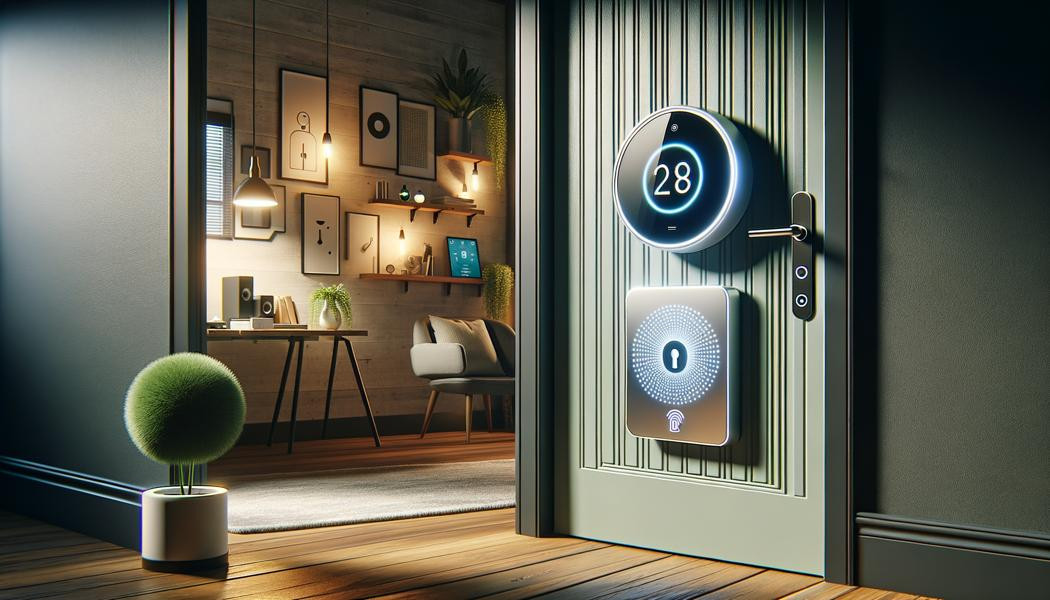
In this article, we will explore smart locks in 2025 and the innovations that are shaping their evolution. With the rise of home technology, these smart devices are transforming the way we secure our homes. Smart locks offer not only advanced security but also unmatched convenience. They allow users to lock and unlock their doors remotely, manage access, and integrate other smart devices into their home. This article will detail what a smart lock is, the predicted innovations for 2025, the benefits of using such locks, and much more. Whether you are a technology enthusiast or a homeowner simply looking to enhance your home’s security, discover the upcoming trends for smart locks.
Need help installing a smart lock? Quickly find a qualified service provider on Helplease and benefit from a tailor-made service to meet all your needs. Discover professionals near you!Table of Contents
- What is a smart lock and how does it work?
- What are the main innovations in smart locks in 2025?
- How do you install a smart lock at home?
- What are the benefits of a smart lock compared to a traditional lock?
- What modern features should you look for in a smart lock?
- How can you effectively secure a smart lock?
- What are the best smart lock brands in 2025?
- How do you integrate a smart lock into a smart home system?
- What challenges might you face when installing a smart lock?
- How do you maintain and update a smart lock?
- What user feedback is there on smart locks in 2025?
- How are regulations evolving regarding smart locks?
What is a smart lock and how does it work?
A smart lock is an electronic locking device that allows users to control access to their home through a mobile application. Unlike traditional locks, which require a physical key, these locks can be operated remotely thanks to a Wi-Fi or Bluetooth connection. The user can then lock or unlock their door, manage multiple users, and monitor access from anywhere in the world.
These locks often include additional features such as the ability to create temporary access codes for visitors. Furthermore, they can also be integrated into larger security systems, allowing you to monitor your entire home from a single device. For example, some locks can be activated automatically when the user approaches or can even self-lock after a set period.
Security is also enhanced thanks to instant alerts in case of attempted break-ins, as well as accessible locking histories at any time. This enables the user to keep an eye on who enters and exits the home, providing added peace of mind. Thus, smart locks combine strong security with ease of use.
Finally, constant innovation in the field ensures that users benefit from the latest technological advancements, as these devices become smarter and more integrated into our daily lives.
How a smart lock works
The operation of a smart lock is based on wireless technology, generally using Wi-Fi or Bluetooth. Through a dedicated app, users can control their lock remotely. To unlock the door, simply open the app and select the unlock option; this sends a signal to the lock via the Internet.
Integration with other devices
Smart locks can be integrated into a smart home ecosystem. They can interact with security cameras, motion detectors, and lighting systems to create a secure and responsive environment. For example, when a lock is unlocked, the lights can automatically turn on, creating a welcoming atmosphere.
What are the main innovations in smart locks in 2025?
In 2025, smart locks are experiencing significant innovations, especially in terms of security and technological integration. One of the major advances concerns biometric authentication, where facial recognition and fingerprints are used to unlock doors. This technology provides improved security by making counterfeiting almost impossible.
Additionally, enhanced artificial intelligence (AI) enables locks to adapt to the user’s habits: for example, they can learn to lock or unlock according to daily movements. Some can even anticipate access needs based on shared calendars, offering an ultra-convenient solution.
The materials used in the manufacturing of these locks are also evolving. More resistant materials against weather and physical force ensure increased durability, while energy efficiency is improved thanks to batteries that last longer. This reduces the hassle associated with frequent battery changes.
Finally, better interconnection with smart home platforms such as Google Home or Amazon Alexa enables voice control and centralized management of all household devices, making the overall user experience even smoother and more efficient.
Biometric authentication
The integration of biometrics into smart locks represents a major advance. This eliminates the need for access codes or physical keys, making the use of these devices more intuitive. Moreover, by combining several methods of authentication, security is reinforced, providing peace of mind for homeowners.
Adaptive learning and AI
Smart locks equipped with adaptive learning applications can observe user habits. These locks will learn to automatically adjust themselves to users’ schedules, for example, by programming access for friends or family members during specific periods. This level of customization contributes to increased convenience and security.
How do you install a smart lock at home?
Installing a smart lock can seem intimidating, but with the right instructions, it can be accomplished by anyone. The first step is to choose the appropriate lock based on the measurements of your door and the features you want. It is important to check compatibility with your mobile devices to take advantage of all the features.
Once you have selected your lock, follow the installation instructions provided by the manufacturer. Generally, installation requires removing the old lock and then installing the new one using the screws and assembly parts provided. Be sure to secure each component properly to guarantee the lock’s proper operation.
After the physical assembly, proceed to set up the wireless connection. Download the app associated with the lock onto your smartphone and follow the setup steps to link the lock to your Wi-Fi network. The instructions in the app will guide you through the process, ensuring you don’t miss any crucial steps.
Finally, test the lock after installation to make sure it works properly. Also, check all the features offered via the app to become familiar with their usage. If in doubt, don’t hesitate to seek professional help or use an installation service.
Choosing the right smart lock
Before starting installation, it is advisable to research the different models of smart locks available. Some may offer features such as theft resistance, enhanced security, and integration with smart home systems. Assess your needs, budget, and user reviews to make an informed choice.
Step-by-step installation instructions
Make sure you have all the necessary tools on hand, such as a screwdriver and an adjustable wrench. Read the installation manual carefully and follow each step attentively. If necessary, watch online videos showing installations of similar models. This can greatly ease the process and help you avoid common mistakes.
What are the benefits of a smart lock compared to a traditional lock?
Smart locks have many advantages over traditional locks. First, they allow remote access control, enabling users to manage access even when they are not at home. This is especially useful for granting access to friends, family members, or service providers by giving them temporary codes.
Next, smart locks are often equipped with real-time alerts. Users receive notifications whenever the lock is unlocked, enhancing security. In addition, in the case of an attempted break-in, some smart locks can notify authorities directly, providing an additional layer of protection.
Moreover, many smart locks are linked to smart home systems. This allows seamless integration with other devices, such as security cameras and motion detectors. Thus, your home’s security can be managed from a single device, simplifying daily management.
Finally, smart locks are often more robust than physical locks. Made of durable and resistant materials, they can withstand physical intrusions, thereby offering greater overall security for your home.
Facilitated access management
With smart locks, managing who has access to your home is simpler than ever. You can easily add or remove users via the app, without needing to change physical locks. This is particularly advantageous for vacation rentals or shared homes, where access needs frequently change.
Enhanced security
Security is undeniably improved thanks to smart locks. In addition to real-time notifications, many models offer the ability to monitor past access. This allows users to get a detailed record of who has accessed their home, thereby increasing their peace of mind.
What modern features should you look for in a smart lock?
The features of smart locks are constantly evolving. When looking to buy a new smart lock, some characteristics may become essential. For example, compatibility with smart devices and voice assistants like Alexa or Google Assistant is crucial for those who want to integrate their lock into a smart home ecosystem.
Another feature to consider is two-factor authentication, which adds an extra layer of security. Some locks also offer fingerprint unlocking, providing another way to access your home without a key.
User management options, such as the ability to create temporary codes for visitors, are also very practical. This makes access easier without giving out real keys, which is particularly useful for family, friends, or technicians who need one-off access.
Finally, check battery quality. The best options are those with extended battery life or a notification system for low battery. This ensures that your lock always works without interruption.
Compatibility with smart devices
Compatibility with other smart devices is crucial. A smart lock that works well with your smart home system will let you control all aspects of your home security from a single app, making your daily life smoother.
Advanced security options
Security alternatives such as facial recognition or fingerprint scanning represent cutting-edge lock technology. By offering multiple access methods, users can choose the one that best suits their lifestyle while maintaining a high level of security.
How can you effectively secure a smart lock?
Securing smart locks depends on several factors. Firstly, make sure to choose a model from a reputable manufacturer, as this ensures better quality and enhanced security. Reading reviews and user feedback can give you a good indication of a lock’s reliability.
It is also crucial to regularly change access codes, especially if you have issued temporary access to friends or service providers. This helps prevent unauthorized access from inadvertent sharing of codes. Also, avoid using easily guessed codes (like your birthdate) to strengthen security.
Enabling automatic firmware updates is another key point. Manufacturers often release security updates to fix potential vulnerabilities. Being proactive here ensures your lock is protected against emerging threats.
Finally, digital security awareness is paramount. Using strong passwords for the mobile app connected to your lock and enabling two-factor authentication whenever possible helps secure access to your home.
Regular password changes
Changing your passwords regularly and maintaining good cyber hygiene is essential to limit the risk of unauthorized access. Use complex combinations and avoid the same password across multiple platforms.
Enabling updates
Checking and activating automatic updates ensures your lock’s security. These patches fix security holes and improve your device’s features, providing continuous protection.
What are the best smart lock brands in 2025?
In 2025, several brands stand out in the field of smart locks. Among them, August, Yale, and Schlage continue to offer high-quality products. These brands are renowned for their reliability, constant innovation, and excellent customer service. Their focus on security and ease of use makes them particularly popular among consumers.
For example, August is known for its adapter that turns a traditional lock into a smart lock without a total replacement. Yale, meanwhile, offers a wide range of models for different needs and budgets. Schlage stands out for its durability and stylish look, especially suited to modern homes.
Other brands are emerging, such as Level and Kwikset, which include exciting new features, such as the ability to unlock using only your phone via remote authentication. These brands offer competitive prices, while providing features of significant added value.
It is recommended to check out the latest models offered by these brands and compare features and prices before making a choice. Brand reputation is often a guarantee of quality, but it’s also important to read user reviews and consider your personal needs.
Evaluating available options
Taking the time to assess each option and checking whether the locks mentioned in popular reviews line up with your specific needs is essential. For instance, some locks are more suitable for city apartments while others are designed for individual homes.
Listening to user feedback
The experiences of other users are invaluable when choosing a smart lock. Visit forums, review sites, and explanatory videos to get a better idea of what really works for consumers.
How do you integrate a smart lock into a smart home system?
Integrating a smart lock into a smart home system starts by choosing a model compatible with your smart home platform, whether it’s Amazon Alexa, Google Assistant, or Apple HomeKit. Once you have your lock, download the related app to ensure it can communicate with your home network.
Follow the steps set out by the app to connect the lock to your system. Generally, you will be asked to scan a QR code or follow detailed instructions to connect your lock to Wi-Fi.
Once integrated, you can control your lock’s operation via the same app you use to manage other devices. This lets you lock or unlock the door remotely, receive alerts if needed, and monitor the access history.
Also think about creating automated routines that include your lock. For example, when you activate “night mode,” all the locks in your home can automatically lock. This not only increases security but also adds invaluable convenience.
Connection settings
Check your router’s settings and make sure your Wi-Fi connection is stable to avoid disruptions in remote control. A strong home network is essential for an optimal user experience with connected devices.
Creating routines with other devices
Incorporating other smart devices into your automations allows you to create an even more interconnected system. For instance, link your smart lock to a security camera that sends alerts every time access is attempted, adding an extra layer of security.
What challenges might you face when installing a smart lock?
Installing a smart lock can present different challenges, especially if you aren’t comfortable with technology. One of the main concerns is compatibility with your existing door. The dimensions need to match, and in some cases, adjustments may be required.
Another possible challenge is troubleshooting network issues. If your Internet connection is unstable, it may affect the lock’s operation. In a weak signal environment, you might not have access to all the features, which could be problematic.
There may also be difficulties linked to the initial setup. Following step-by-step instructions is essential, but some users may struggle to connect status notifications or update their device, even if the device appears to be easy to use.
Finally, it is important to remain attentive to app and lock security updates. Failing to install them could expose your lock to potential security threats.
Size compatibility
Carefully check your lock’s dimensions and compare them with the requirements of the new lock. Improperly installed dimensions can result in failure or compromised security.
Network issues
Make sure you have a strong signal before installing a connected device. Consider adding a higher-quality router or Wi-Fi repeaters if the signal is weak in the area where the lock will be installed.
How do you maintain and update a smart lock?
To ensure your smart lock works correctly, regular maintenance is required. This includes cleaning the physical components as well as checking its general condition. Clean the mechanism regularly to prevent dirt accumulation that could disrupt locking.
Also, keep an eye on your app notifications, which can alert you about firmware updates. This is essential for security. By accepting such updates promptly, you ensure that your system remains protected from security breaches.
It is also advisable to periodically check battery status and consider preventative replacement. This prevents situations where the lock could become inoperable at a critical time.
Finally, make sure to familiarize yourself with the manufacturer’s instructions about updates to maximize your lock’s capabilities. This ensures you don’t get stuck with obsolete or vulnerable features.
Physical maintenance of the lock
Cleaning your lock and checking its operation by opening and closing it several times a week ensures durability. Lock oil is also recommended for smooth operation.
Software updates
Regularly check the app for update notifications. By following the manufacturer’s instructions to update your device, you ensure optimal operation and security.
What user feedback is there on smart locks in 2025?
User feedback on smart locks in 2025 is generally positive, particularly regarding convenience and enhanced security. Users appreciate the ability to manage access to their home remotely. Reviews also indicate excellent feedback for locks from well-known brands like August and Yale. The user-friendly interface of the associated apps adds to their popularity.
On the other hand, some users have raised concerns about the robustness of the Internet connection, which can be frustrating if the lock doesn’t work when needed. Alerts or notifications that fail to arrive can also cause feelings of insecurity for some users.
Feedback has also highlighted the importance of proper installation. Users who called on professionals to install the devices reported fewer compatibility problems and had a better overall experience.
Finally, pitfalls such as unexpectedly depleted batteries and the constant need for system updates are among the concerns expressed by some. However, despite these challenges, the majority of users consider these locks a worthwhile investment for home security.
Assessments on convenience and security
Many users emphasize that the security provided by these locks, combined with the convenience of remote access, has brought peace of mind that they didn’t have with traditional locks.
Installation and signal issues
Cases where the installation process was a source of recurring frustration underline that preparation and a clear understanding of the technology are crucial to avoid operational problems in the future.
How are regulations evolving regarding smart locks?
The evolution of regulations regarding smart locks is gaining momentum. Many countries are starting to adopt specific standards to ensure the security of connected devices. Initiatives have been taken to establish security protocols to protect users against cyberattacks and safety issues.
Some regions also require manufacturers to ensure transparency in the collection and storage of user data. This move aims to boost consumer confidence and guarantee strict compliance with data protection laws.
In 2025, users can expect stricter regulations regarding smart device security, including locks. This means that manufacturers will need to design their products with security in mind right from the development stage.
Finally, organizations are striving to educate consumers on the impacts of these new technologies to ensure users make informed decisions regarding the purchase and use of their smart locks.
Device security regulations
Security updates and continued attentiveness concerning the development of new technologies are crucial. Recommendations will be put in place to ensure consumers know which device offers enhanced security.
Data transparency
Discussions around data transparency concerning connected devices are becoming increasingly common, giving consumers the opportunity to understand how their information is used.
Conclusion
In summary, smart locks in 2025 feature a wealth of innovations that are revolutionizing our home security. By integrating advanced technologies and offering unparalleled convenience, these smart devices are transforming how we interact with our homes. The benefits of a smart lock often surpass those of traditional locks, strengthening security and making access management easier. With proper maintenance and awareness of regulatory developments, users can fully enjoy the advances provided by smart lock technology. Whether you are a homeowner or considering modernizing your security, it is clear that smart locks are here to stay and to evolve.
Whether you need quick assistance or want to offer your services, Helplease is your solution! Download the app to access qualified experts or find clients in one click, and simplify your daily life! Available on iOS and Android!