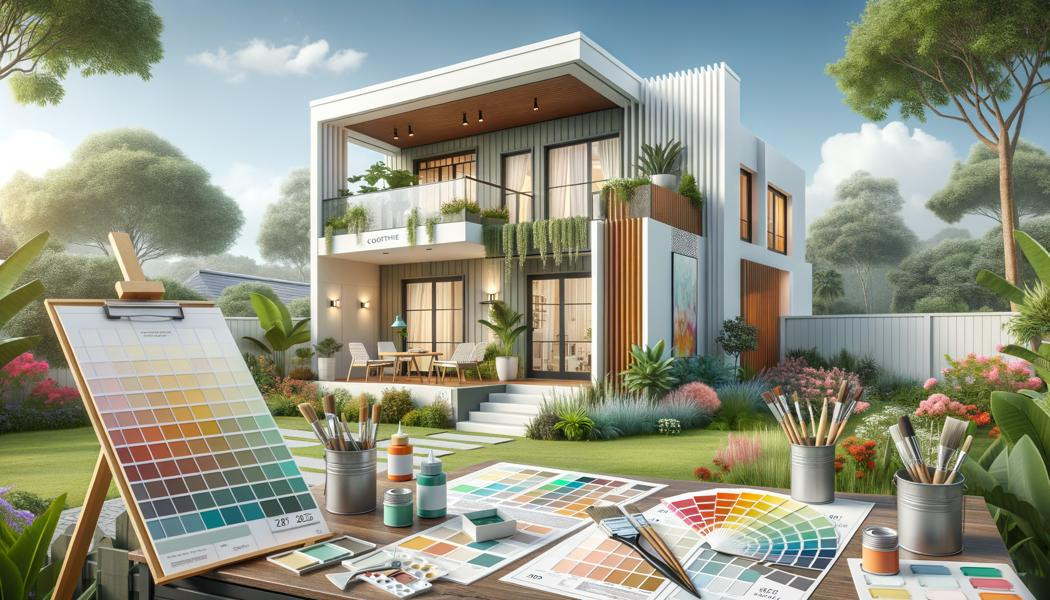
Painting your facade is a crucial decision for the aesthetics and durability of your home. In 2025, trends in colors and styles are evolving, and staying informed is essential to make the best choice. This article explores the color trends for facades, the popular styles, tips for choosing the ideal color, and the professionals who can help you with this project. You’ll also discover the best painting techniques, the advantages and disadvantages of different colors, as well as the mistakes to avoid when painting your facade.
Do you need help painting your facade? Quickly find a qualified service provider on Helplease and benefit from a tailor-made service to meet all your needs. Discover professionals near you!Contents
- What are the color trends for painting your facade in 2025?
- Which facade styles are popular this year?
- How do you choose the perfect color for your facade?
- Which professionals can help you paint your facade?
- Which exterior painting techniques are recommended?
- What are the advantages and disadvantages of different facade colors?
- How do you prepare your facade before painting it?
- Where can you find inspiration for choosing colors and styles?
- What are the most suitable painting materials for facades?
- How do architectural trends influence color choices?
- Which mistakes to avoid when painting your facade?
- How do you maintain a freshly painted facade for lasting results?
What are the color trends for painting your facade in 2025?
For 2025, color trends for painting your facade favor natural shades that evoke a connection with the environment. Earth tones, such as beiges, browns, and soft greens, top the list. These tones remain timeless while bringing harmony with the surrounding landscape, which is especially sought after by homeowners wishing to reduce their ecological footprint by blending their homes into nature.
At the same time, bold color palettes are also emerging, with vivid shades of blue and red that can be used as accents to create a captivating contrast. These vibrant colors allow houses to stand out while maintaining a certain elegance. By choosing a more muted main color and adding colorful finishing elements, you ensure a balance between modernity and tradition.
The combination of textures and colors is also in the spotlight with paints that mimic natural materials like wood or stone. This brings a warm and welcoming aspect to a facade. Using textures in your color choices can also create a sense of depth that enlivens your home’s appearance.
It is important to take the architecture of your house into account when selecting colors. While some trends may seem appealing, they must harmonize with the overall style of the home to maintain an attractive aesthetic coherence.
Professionals, looking for more clients? Sign up on Helplease today to offer your services and develop your business. Reach a broad client base in just a few clicks!Warm and Cool Shades
Warm shades, such as ochre and terracotta, make a house welcoming and cozy, while cool colors, like glacier blue or mint green, bring a feeling of calm and serenity. Choosing the right shade depending on geographical location and climate can also play a role in your home’s energy performance.
The effects of natural light
It is crucial to test colors at different times of the day because natural light can change the appearance of a color. The color you choose may look very different when the sun is at its peak compared to early morning or late afternoon.
Which facade styles are popular this year?
Facade styles vary considerably and reflect many architectural influences. In 2025, the minimalist style continues to be favored, characterized by clean lines and neutral colors. This style offers subtle elegance and is particularly suited to modern homes. The use of durable materials is also an essential criterion, meeting the growing demand for environmentally friendly constructions.
On the other hand, rustic facades are in vogue, applying textures such as wood and stone. This style tells a story and gives the home a unique personality. Owners often choose to mix modern elements with these rustic styles for a contemporary effect while maintaining a warm aesthetic.
Industrial-style homes are also appealing, incorporating concrete and metals into their architecture. These facades stand out not only for their durability but also for their bold style. Self-oxidizing or brightly painted metal finishes add a unique touch.
Finally, the trend of green facades, which incorporate living plants, is on the rise. This not only enhances the home’s appearance but also promotes biodiversity and improves air quality, fitting perfectly with an eco-friendly approach.
If you are looking for an expert to meet your specific needs, head to Helplease and discover the available providers near you. Simplify your life and find the right professional!Urban styles
Urban-style facades are also popular, distinguished by wall lamps, graphic paintings, and street-art related patterns. This style especially attracts young homeowners wanting to express their creativity.
The importance of local architecture
Creating a facade that considers local architecture allows you to respect the character of a neighborhood. This is essential when choosing facade styles, not only for aesthetics but also to comply with local zoning regulations.
How do you choose the perfect color for your facade?
Choosing the perfect color for your facade requires careful consideration. It all begins with taking the architecture and style of the home into account. Colors should complement the existing aesthetic, not overwhelm it. Studying neighboring homes can also give you ideas on color combinations that work well together.
It's essential to consider the local climate. Lighter colors reflect heat, ideal in sunny regions, while darker colors absorb more heat, perfect for colder climates. This can also affect your home's heating and cooling costs.
The choice of finishes must also be taken into account. For example, a matte finish can provide a modern look, while a glossy finish can add classic charm. Requesting paint samples and testing a few shades directly on the facade will help you visualize the final result.
Finally, think about the longevity of the chosen paint. Some colors can fade over time, while others remain vibrant longer. Investing in quality paints may be wise to guarantee a durable and beautiful facade for years to come.
Having an overview
It is also important to visualize how the house will look as a whole. Elements like windows, doors, and even the roof can influence how colors are perceived. A coherent palette enhances the overall harmony and appeal of the facade.
Using visualization tools
Using design software can also help in selecting the color. These tools allow you to simulate how different colors will look on your house, reducing the anxiety of making the final decision.
Which professionals can help you paint your facade?
For an ambitious project like painting your facade, hiring experienced professionals is often the best option. A qualified building painter will bring expertise to ensure a meticulous and long-lasting job, selecting the right techniques and products for your home.
In addition, an architect can help design a facade that respects the architectural styles of your region. The architect can also work with the painter to ensure that color and material choices are consistent with your project’s vision.
It is advisable to engage an interior decorator for advice on color choices. They can guide you on the best palettes based on your spaces and the main visual elements of your home. Designers can provide an innovative approach while respecting your personal tastes.
Finally, companies specializing in exterior painting can combine all these services, offering you comprehensive project management. This ensures efficient coordination and a flawless final result.
Selecting the right providers
It is crucial to check the background and references of professionals before hiring them. Reviewing their previous work can give you a good idea of their skill and style. Don’t hesitate to request quotes from several companies to compare prices and services offered.
The role of the initial consultation
The first meeting with a professional is essential to establish a clear understanding of your project. Be ready to share your ideas and preferences while remaining open to suggestions. Good communication from the start is key to your project’s success.
Which exterior painting techniques are recommended?
Exterior painting techniques must be tailored to the materials of the facade. For example, wooden surfaces require special preparation with thorough sanding to ensure optimal paint adhesion, followed by the application of a protective primer.
For masonry walls, it is recommended to use acrylic paints which allow the surface to breathe while being resistant to moisture. Good preparation, such as cleaning surfaces and possibly applying a sealer, can enhance effectiveness.
Application methods can also greatly influence the final result. Using rollers or paint sprayers can achieve different finishes. The choice between these techniques often depends on the texture of the surface and the level of detail desired.
It's also important to plan the weather conditions for painting. Avoid painting when the temperature is too high or there is a risk of imminent rain, as this can compromise the finish quality.
Application methods
Application techniques should be chosen based on the nature of the surface. Brushes allow you to reach corners and details, while rollers offer quick application on larger surfaces. For rough surfaces, a paint sprayer may be more effective and result in less waste.
Safety precautions
Don’t forget to take appropriate safety measures when doing exterior painting. Wearing gloves, dust masks, and safety glasses is necessary to prevent accidents while working. Also make sure your workspace is well-ventilated and secure.
What are the advantages and disadvantages of different facade colors?
Facade colors have various advantages and disadvantages depending on the type of shade and the materials used. Light colors, for example, are often preferred in urban areas because they reflect light, helping keep interiors cool during hot months. However, they may also require more frequent maintenance since they more easily show dirt and imperfections.
Dark colors, on the other hand, provide a bold and contemporary style. They can add visual sophistication to a house. However, they may be less effective at reflecting heat and may cause interior overheating during hot days.
Pastel shades are sometimes used to create a soft, soothing ambiance, but may lose their vibrancy over time, which may require more frequent touch-ups. In contrast, vibrant colors create a strong visual impact but may not suit all architectural styles.
Finally, the effects of paint on the longevity of the facade material must be considered. Some paints contain protective agents that increase their durability, while others may negatively interact with facade materials, causing long-term problems.
Color choices by house style
The choice of colors should also be influenced by the style of the house. For example, a traditional style home may be better paired with neutral or earth tones, while a modern style may suit bolder, more contemporary colors.
Influence of local regulations
Zoning regulations can also influence the choice of facade colors. Check your local rules, as some municipalities impose restrictions on the colors used, especially in historic areas.
How do you prepare your facade before painting it?
Preparing the facade is a crucial step that determines the success of your project. First, it is essential to clean the surface to remove all dirt, mold, or flaking paint that could hinder the adhesion of the new paint. Use a pressure washer for a deep clean, especially on rough surfaces.
Next, examine the facade for imperfections such as cracks or holes. It's important to repair these with suitable products to ensure a smooth surface for painting. Don't neglect caulking, which can be used to fill in cracks.
After repairing imperfections, apply a primer if necessary. A primer protects the facade material, improves paint adhesion, and contributes to the durability of your project. Choose a primer specifically formulated for your facade material.
Finally, be sure to choose the right weather to start your project. Moderate temperature with low humidity is ideal for painting. Avoid painting in hot weather or at the end of winter when temperatures are low and humidity is high.
Common preparation mistakes
A common mistake is neglecting the cleaning. A poorly cleaned facade will not allow paint to adhere properly, leading to defects over time. Likewise, skipping the primer can hurt the paint's performance.
Drying time
Respecting drying times is also crucial. Once repairs and primer are done, allow enough time before applying the paint to guarantee optimal results.
Where can you find inspirations for choosing colors and styles?
One of the best ways to find inspiration for your facade is to visit websites, blogs, and design platforms. Online tools such as Pinterest are excellent for collecting ideas. You can find a multitude of photos of real homes to help visualize color combinations.
Decorating magazines are another valuable resource. They showcase recent renovation projects and the latest facade painting trends that can serve as guidance for your own project.
Social networks can also be an excellent source of inspiration. Joining Facebook discussion groups or following accounts on Instagram dedicated to outdoor decorating can allow you to discover impressive transformations and practical advice from other homeowners.
Finally, feel free to visit homes in your neighborhood. Observing the facades of houses similar to yours is a great way to gather inspiration for your next painting project.
Design exhibitions
Attending design presentations or fairs can also give you ideas on trending colors and styles. Professionals often showcase their latest creations and innovations there, which can make your project more contemporary.
Case studies
Online case studies showing before/after of different projects can also help better understand the impact of certain colors or styles. This allows you to make more informed decisions about facade design.
What are the most suitable painting materials for facades?
Choosing painting materials for facades is essential to ensure durability and aesthetics. Acrylic paints are highly popular for their flexibility and moisture resistance; they are ideal for exterior surfaces. This type of paint also allows the surface to breathe, which is crucial to avoid condensation and mold.
Alkyd paints, though less common, offer a smooth and durable finish, and are particularly suited to wooden surfaces. They guarantee excellent adhesion and good protection against the elements.
For masonry facades, paints specially formulated for these materials are available. They often have anti-algae and anti-mold properties, extending the durability of the facade.
Finally, consider eco-friendly products that may be less harmful to the environment while providing good performance. Paints with low volatile organic compound (VOC) content are safer for health and the environment.
Additional treatments
It is also recommended to treat the facade with protective products after painting, such as sealants or varnishes, to strengthen weather resistance and prolong the lifespan of the applied paint.
Material costs
Mid-range, high-quality paints may cost more initially, but they can provide far superior lifespan and performance, which can result in long-term savings.
How do architectural trends influence color choices?
Architectural trends have a considerable impact on color choices. With the emergence of minimalist styles, for example, neutral colors are now a priority, as they emphasize shapes instead of ornamental details. Consequently, more subdued and less flashy shades are often chosen to complement clean designs.
Similarly, the return to natural and eco-friendly materials strongly influences color choices. Shades that complement earth and green tones are favored to integrate the home into its natural environment.
The development of sustainable architecture also promotes using colors that effectively reduce surface heating, such as reflective tones. These strategies are often adopted in new eco-friendly buildings.
Finally, cultural and historical influences also play a role in color choices. Colors that highlight valuable architectural heritage, for example, are widely embraced by owners wanting to preserve local history while modernizing their living space.
The impact of contemporary styles
New architectural trends, such as industrial style, favor dark colors and matte finishes. This style encourages a bolder and more original approach to color choices, allowing designers to experiment more freely.
Local construction standards
Regional construction standards can also dictate color choices, imposing restrictions to maintain harmony within neighborhoods. It's often necessary to stay within an approved color scheme, which affects each homeowner’s individual choice.
Which mistakes to avoid when painting your facade?
One of the most common mistakes when painting a facade is neglecting surface preparation. Insufficient cleaning or skipped repairs can lead to defects that affect paint adhesion. Preparing the surface is therefore essential to ensure lasting results.
Another common mistake is ignoring weather conditions. Painting in humid weather or during high temperatures can compromise the application, leading to problems such as blistering or rapid fading.
Using overly bold or flashy colors can also be a mistake; if they don't harmonize with the environment or the style of the house, this can devalue the overall look of your home. Maintaining harmony is crucial for aesthetics.
Finally, choosing low-quality paint or finishing products can lead to long-term issues. Investing in quality materials is essential to prolong the lifespan of your paint and maintain the look of your facade.
Communication mistakes with professionals
Vague or unclear communication with painters can also lead to misunderstandings about the painting project. Be sure to clearly express your needs and expectations before work begins.
Project documentation
Not documenting the process can also be a mistake; it helps you track progress and ensure the work is done according to your specifications, making project management easier.
How do you maintain a freshly painted facade for lasting results?
Maintaining a freshly painted facade is crucial to preserving both its appearance and durability. Start with regular cleaning to remove dirt, pollen deposits, or mold. Use water and mild soap, and avoid high-pressure cleaners that can damage the paint.
Inspect your facade for any cracks or blistering. These issues should be fixed promptly to prevent them from affecting the integrity of the paint and underlying materials. Preventive maintenance, i.e., repairing small flaws as they appear, is preferable.
It's also helpful to re-varnish or recoat every five to seven years depending on exposure to the elements. This ensures the protection of surfaces remains in good condition and extends the durability of the paint.
Finally, keep an eye on your home's environment. Temperature changes, humidity, and sun exposure can all affect paint longevity. Adapting your facade maintenance to these factors is essential to ensure it lasts.
Precautions to take
Taking a proactive approach to prevent accumulation of dirt and material erosion is crucial. Regular maintenance not only prevents future expenses but also preserves your home's beauty.
Consultation with professionals
Lastly, consulting professionals for maintenance advice can be beneficial. They can provide specific recommendations based on the type of paint and facade material, ensuring you take the right steps to keep your home in excellent condition.
Conclusion
Painting your facade is an essential project that can transform your home's appearance while protecting it from the elements. In 2025, color trends and styles are diversifying, offering homeowners the opportunity to create a unique and durable aesthetic. Careful preparation, color choice, and a commitment to maintaining the finish will be the keys to ensuring a satisfactory and long-lasting result.
Whether you need quick help or want to offer your services, Helplease is your solution! Download the app to access qualified experts or find clients in just one click, and make your everyday life easier! Available on iOS and Android!