Summary
- Why is it important to optimize your space after assembling furniture?
- What are the best post-assembly storage tips?
- How do you choose the right storage solutions for your space?
- What tools can make storage easier after assembling furniture?
- How can you maximize storage space in small rooms?
- What mistakes should you avoid when optimizing your space after assembly?
- How can you organize your furniture for easy and convenient access?
- What types of storage are suitable for different types of furniture?
- How can you use walls to increase your storage space?
- What tips help to reduce clutter after assembling furniture?
- How do you customize your storage to fit your needs?
- What’s the best way to maintain organization in the long run?
Optimizing your space after assembling furniture is essential to creating a functional and pleasant environment. Many factors come into play, and this article will guide you through the best practices to make the most of your space, whatever its size. Whether you’ve recently put together a new piece of furniture or you’re simply looking to reorganize your home, you’ll find practical tips, indispensable tool recommendations, and advice for avoiding common mistakes. Follow our tips to achieve an optimal level of organization and live in a clean, accessible setting.
Need help optimizing your space after assembling furniture? Quickly find a qualified service provider on Helplease and benefit from personalized service to meet all your needs. Discover professionals near you!Why is it important to optimize your space after assembling furniture?
Optimizing your space after assembling furniture is crucial because it creates a functional environment that improves your quality of life. A well-organized space can reduce stress and boost concentration, especially in small homes where every inch matters. Additionally, a thoughtful arrangement makes it easier to access essential items, allowing you to move through your living space more efficiently.
Proper organization also fosters a sense of harmony in your home. Well-placed furniture and adequate storage create a welcoming atmosphere. This enhances the aesthetics of your interior décor, showcasing the design features of your newly assembled furniture. A pleasant space can also make your home more inviting for guests.
Moreover, post-assembly organization contributes to the durability of your furniture. A tidy space reduces the risk of accidents, such as falls caused by misplaced objects. By taking the time to organize your space properly, you extend the lifespan of your furniture while reducing costs related to premature repairs or replacements.
Finally, optimizing your space after setting up furniture can encourage healthier living habits. A clear space can inspire productivity or relaxation. By reducing clutter, you create an environment that’s conducive to creativity and relaxation, which benefits your overall well-being.
Professionals, looking for more clients? Sign up on Helplease today to offer your services and grow your business. Access a large client base in just a few clicks!What are the best post-assembly storage tips?
After assembling new furniture, it’s essential to apply effective tips to optimize your space. First, one of the best practices is to use modular storage solutions. These systems can adapt as your needs evolve, allowing for easy adjustment of your furniture over time. This ensures you maximize the use of available space while maintaining a harmonious style in your interior.
Next, sort your items by category: use storage boxes for small objects and shelves for books or decorative accessories. This system keeps items within reach while reducing visible clutter. Also, consider investing in multifunctional furniture like storage ottomans or coffee tables with compartments to combine style and function.
Another tip is to play with verticality by using wall shelves. Not only do these solutions add style, but they also optimize floor space, giving you more room to move around. Shelving can be fully customized to match your lifestyle and create a space for personal expression.
Finally, remember to maintain a regular organizational routine. Dedicate a little time each week to tidying up and reassessing your belongings. This helps keep the space clean and tidy, avoiding the buildup of clutter that can occur over time.
If you’re looking for an expert to meet your specific needs, visit Helplease and discover available service providers near you. Make your life easier and find the right professional!How do you choose the right storage solutions for your space?
Choosing the right storage solutions requires analyzing your space and your needs. First, consider the size of the room. For a small area, opt for vertical solutions such as wall-mounted shelves that optimize height while preserving floor space. Foldable or stackable furniture can also be beneficial to make the most of available space, especially in small rooms.
Next, assess your belongings. Make a list of what you want to store and determine which solutions best fit their sizes and uses. Closed storage cupboards can be ideal for items that need to be hidden, while open shelves are perfect for displaying your decorative objects.
It’s also essential to take your lifestyle into account. If you have children or pets, choose durable and easy-to-clean solutions. Plastic or fabric storage bins are excellent for keeping toys or pet accessories tidy without compromising your interior style.
Finally, favor mobile storage. Units with wheels or portable furniture let you easily adapt the space according to your needs and improve your home’s functionality. Storage that suits your daily life is key to a well-organized space.
What tools can make storage easier after assembling furniture?
Many tools can help you organize your space after assembling furniture. Firstly, invest in storage containers. Clear plastic boxes are especially effective, as they let you easily see what’s inside. For items that need dust protection, choose bins with lids.
Another handy tool is a label maker. Labeling your boxes and drawers helps maintain organization, letting you quickly find what you need. This can also encourage other family members to respect the system you’ve set up.
Consider using storage caddies for small tools and accessories. These mobile units can be easily moved around the house, bringing essentials right where you need them. They also save you the trouble of searching for items in different spaces.
Lastly, don’t forget to use digital tools to plan your space’s organization. Several apps and interior planning software allow you to visualize your space and try out different layouts before physically rearranging everything. This saves you time and helps you make informed decisions for your future organization.
How can you maximize storage space in small rooms?
Maximizing storage space in small rooms may seem challenging, but with a few tricks, it becomes much easier. Firstly, think vertically. Install floor-to-ceiling shelves to use vertical space. This will free up floor space for other activities while providing a place to store books, plants, or decorative items.
Also use furniture that incorporates storage, such as beds with drawers or bench seats with built-in storage. These pieces offer an extra function while maintaining an aesthetic look. You can also use storage boxes under the bed to fully utilize that often-overlooked space.
Another strategy is to declutter unnecessary items. Once you start reducing the number of possessions you have, it becomes easier to find storage solutions that fit your space. Think about conducting regular purges to keep only the essentials and get rid of the excess.
Finally, don’t hesitate to personalize your storage solutions for your space. Sometimes, unconventional solutions like wall-mounted coat racks or hooks can also be used for storage. The key is to stay creative and adapt each solution to your specific style and needs.
What mistakes should you avoid when optimizing your space after assembly?
When optimizing your space after assembling furniture, there are some mistakes to avoid in order to get the best results. First, avoid overloading your area with too much furniture. This can hamper movement and create a crowded atmosphere. Make sure you leave enough room for each area to breathe and for accessibility to be maintained.
Next, be careful with your choice of storage solutions. Selecting systems that are too small or not suited to the items you want to store can lead to persistent clutter. Invest in solutions that fit the size of your belongings for maximum efficiency.
Additionally, don’t overlook the importance of furniture entry and exit points. When moving items into a room, consider the space needed to move around the furniture. Creating good walkways is essential for everyone’s comfort who uses the space.
Finally, don’t forget to take the seasons into account. Some storage solutions can be temporary, and your space requirements may change during the year. Adjust your storage to suit seasonal items, such as winter clothing or holiday decorations, to avoid accumulation for the remainder of the year.
How can you organize your furniture for easy and convenient access?
To ensure easy and convenient access to your furniture, careful organization is essential. Start by creating a layout plan that takes daily use into account. Group items and furniture by function. For instance, position seating around a coffee table to encourage social interaction and utilize the room’s space.
To promote accessibility, choose furniture that’s easy to move, such as light chairs and tables that can be repositioned as needed. This creates a dynamic space that can be rearranged whenever necessary.
Use transparent furniture or multi-purpose pieces to let light pass through and give a sense of space. Transparent furniture can make small rooms feel more airy, creating a visual effect that maximizes access.
Finally, consider lighting. A well-lit room feels more open and welcoming. Adding various sources of lighting, such as wall lamps and table lamps, will boost the functionality of your space while highlighting your furniture.
What types of storage are suitable for different types of furniture?
The choice of storage solution often depends on the type of furniture you have. For living room furniture, for example, open or closed shelving is ideal for displaying books or decorative items while providing hidden storage options. Combining both types can also add depth to the room.
In the bedroom, consider chests of drawers or dressers for clothing and accessories storage. Drawer dividers and organizers can also help to maximize space inside your furniture.
In the kitchen, vertical storage solutions like hanging shelves or spice racks can be extremely useful. Drawers with specific inserts can also help you stay tidy while optimizing space.
Finally, for home offices, modular solutions and desk organizers are necessary to maintain optimal productivity. Filing cabinets and digital storage tools can also make task management much more efficient.
How can you use walls to increase your storage space?
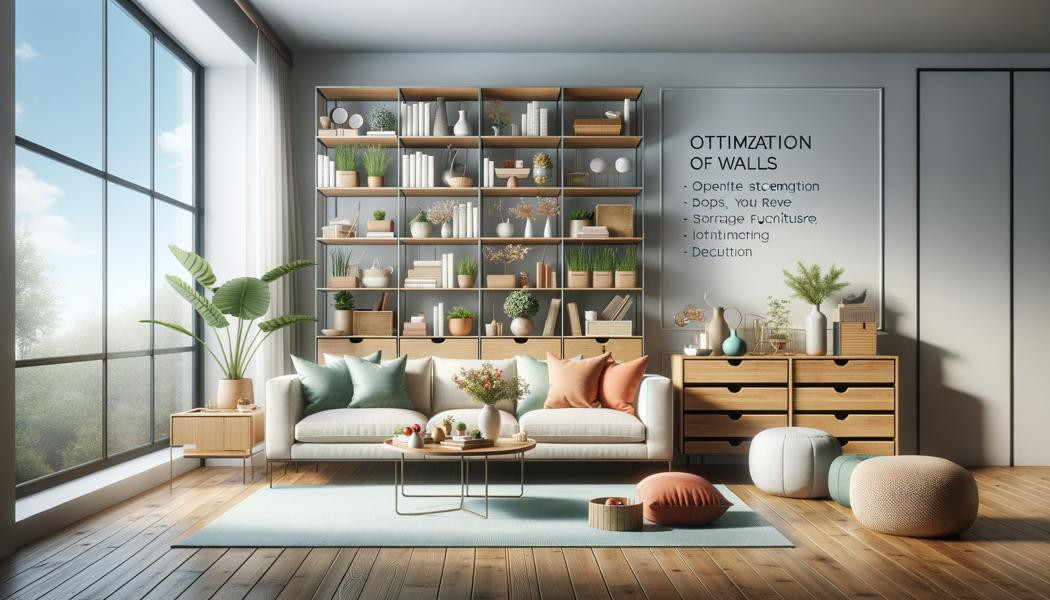
Using walls for storage is a smart strategy to free up floor space and maximize the use of your room. Install wall shelves for books, plants, or decorative objects. This approach also provides an opportunity to highlight décor pieces without blocking the space.
Consider using wall hooks to hang accessories, bags, or even kitchen utensils. This frees up space in drawers and provides quick access to frequently used items.
Pegboards with modular accessories are also an excellent option for structuring creative spaces like workshops. They allow you to personalize your area while gradually giving you a sense of neat storage.
Lastly, explore the idea of floating furniture. Wall-mounted furniture, such as wall tables, can create extra space while adding a contemporary touch to your interior. It's crucial to consider the function of your storage solutions while incorporating walls into your home layout.
What tips help to reduce clutter after assembling furniture?
To reduce clutter after assembly, start by reassessing your possessions. Before storing, go through the items you own. This lets you decide what truly needs to stay in your space. By getting rid of unnecessary items, you’ll make it easier to organize what’s left.
Next, assign a dedicated place for each item. Setting specific zones for different types of items helps maintain an organized environment. Use storage boxes and organizers to give each of your belongings its own place.
Think about clutter alternatives, including decorative bins placed on shelves to hide mess while keeping things accessible. Furniture with integrated storage compartments can also make a big difference.
Finally, adopt an organizational routine. Spend a few minutes each day tidying up. This will help keep clutter under control and establish a regular storage habit.
How do you customize your storage to fit your needs?
Customizing your storage to your needs is essential for making your living space functional. The first step is to consider how you use each room and adjust your storage accordingly. For example, in a playroom, go for accessible and easy-to-use storage solutions for children.
Choose modular storage systems that can evolve with your needs. This lets you resize and reorganize your space as your needs change. Each family member may have different needs, so it’s essential to consider individual preferences when planning storage.
Incorporate decorative elements into your storage. Choosing pieces that blend harmoniously with your décor, while remaining functional, will make your space both practical and visually appealing.
Finally, don’t overlook digital tools to help you visualize and plan your storage layout. Many apps can be used to design your space, allowing you to test different solutions before physically committing.
What’s the best way to maintain organization in the long run?
Maintaining organization in the long run requires developing habits and commitment. First, set up a routine for regularly assessing your space. Review what works and what doesn’t at least once per season, and adjust your storage accordingly.
Adopt tidying habits each day. Taking a few minutes daily to clean up can make a huge difference over time. This will keep your space clutter-free and more welcoming.
Also, use visual reminders to keep organization top of mind. Whether it’s labels on bins or an organizational checklist, having a visual reference can help reinforce good habits.
Finally, be flexible and ready to adjust your system as needed. Your lifestyle and priorities may change, so your storage solutions should evolve too. The goal is to create a system that suits your life today and adapts easily to any future changes.
Conclusion
Optimizing your space after assembling furniture is a rewarding process that can transform your living environment. By following appropriate storage tips and avoiding certain common mistakes, you can enjoy a space that is both practical and attractive. By customizing your storage solutions to meet your needs and maintaining an organizational routine, you ensure that your space remains optimized for the long term. Good interior design can not only improve your daily life but also make your home a true haven of peace.
Whether you need quick help or want to offer your services, Helplease is your solution! Download the app to access qualified experts or find clients in one click, and simplify your day-to-day! Available on iOS and Android!