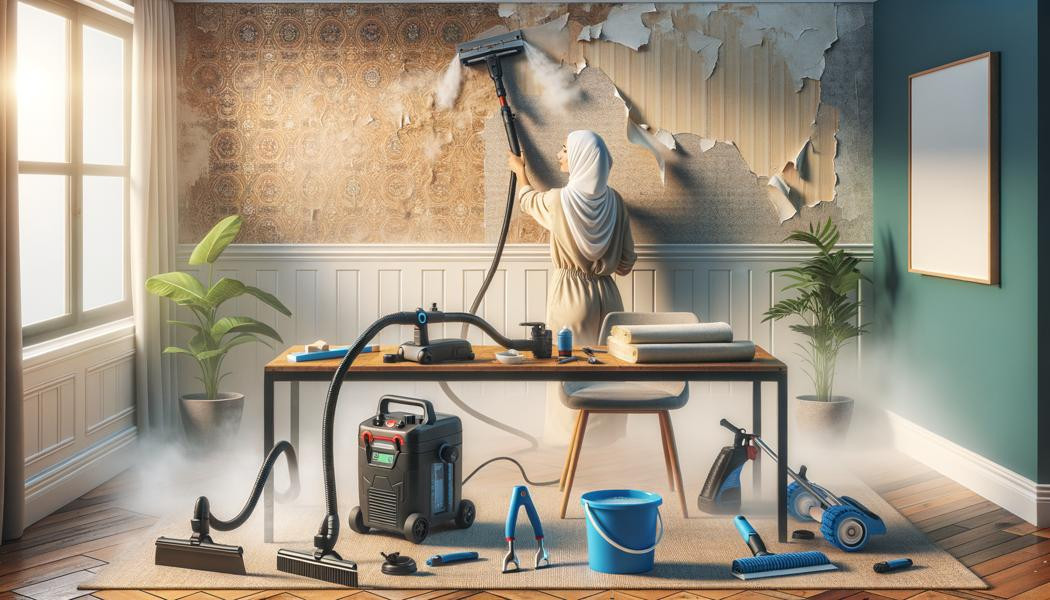
Removing wallpaper can seem like a daunting task, but with the right modern techniques, it can become a quick and clean process. In this article, we will explore the different methods to remove wallpaper effectively while preserving the integrity of your walls. We will cover both traditional methods and modern tools, the necessary preparations beforehand, and much more. Whether you are a DIY enthusiast or a professional, this guide will provide you with all the necessary information to successfully complete this project.
Do you need help removing wallpaper? Quickly find a qualified provider on Helplease and benefit from a tailor-made service to meet all your needs. Discover professionals near you!Contents
- What are the traditional methods for removing wallpaper?
- Which modern tools are essential for removing wallpaper effectively?
- How to prepare the walls before starting to remove wallpaper?
- Which modern techniques ensure fast and clean removal?
- How to use steam to facilitate wallpaper removal?
- Which chemical product is most effective for removing wallpaper?
- How to avoid damaging the wall when removing wallpaper?
- What common mistakes should be avoided when removing wallpaper?
- How to determine if wallpaper is hard to remove?
- What are the best tips for a successful wallpaper removal?
- What is the average time needed to finish removing wallpaper?
- Are there any eco-friendly solutions for removing wallpaper?
What are the traditional methods for removing wallpaper?
Traditional methods for removing wallpaper include the use of hot water, soap, or even vinegar. These solutions are often effective because they help soften the glue used to hold the wallpaper in place. However, they can sometimes be laborious, requiring multiple applications to achieve satisfactory results. This manual approach also involves risks of wall damage, especially if the wallpaper is old or delicate.
Another method consists of using a scraper to remove the wallpaper after applying the previously mentioned solutions. While this may seem effective, it is often a lengthy process and can cause surface irritation on the wall. That said, for older wallpapers, these methods can be very useful.
In summary, while these methods are efficient, they take time and may not always guarantee a clean removal. Therefore, it is essential to weigh the pros and cons before choosing this method.
It should also be noted that using traditional techniques may require preparation and execution time. It is therefore recommended to have all necessary supplies on hand before starting this type of project.
Prepare the necessary materials
Before starting, it is essential to make sure that all materials are available. This includes a scraper, a sponge, as well as the proposed solutions. Having everything at hand can make the process smoother, thus minimizing the time spent on the project.
The importance of properly assessing the wallpaper
Before choosing a method, it is also important to evaluate the type and age of the wallpaper. By knowing the specific characteristics of your wallpaper, you can decide if a traditional method will be sufficient or if more modern options should be considered.
Which modern tools are essential for removing wallpaper effectively?
In the field of interior renovation, there are several modern tools that can make wallpaper removal easier. Among these tools, the steam gun proves to be one of the most effective. It works by releasing hot steam, which softens the glue and allows you to remove the wallpaper with minimal effort.
Another important tool is the electric wallpaper remover. Thanks to this device, you can apply a mixture of hot water and solution to the areas to be treated, which significantly speeds up the removal process. This device is perfect for large surfaces, making the work less exhausting.
Finally, plastic spatulas are essential for helping to detach the wallpaper without scratching or damaging the walls. These tools, combined with other modern extraction methods, ensure quality work while protecting the surface of the walls.
Using these modern tools can save you valuable time and reduce the physical effort required to remove wallpaper. This does not mean that traditional methods should be overlooked, but rather complemented with these new technologies.
Using a wallpaper stripper
The wallpaper stripper is a tool that was designed specifically to make the removal process more efficient and fast. Over time, a stripper allows a homogeneous and precise application, thus reducing the risk of splattering and wasting stripping solutions.
Alternatives to steam
There are also alternatives to steam equipment, such as gel solutions that adhere to the wallpaper and act slowly to soften the glue. These can be applied directly with a brush and are offered in various formats to suit the specific needs of each project.
How to prepare the walls before starting to remove wallpaper?
Preparing the walls is a crucial step that must not be overlooked. Before beginning, it is essential to clean the surface to remove dust and residues that could hinder the removal process. In addition, it is advisable to test a corner of the wallpaper to assess ease of removal.
Next, it is prudent to protect the floor and surrounding furniture. Using a tarp or protective sheets can prevent damage from water drops or splashes from the products used for removal. This also ensures that your workspace remains clean and organized.
For optimal effectiveness, it is also recommended to check the condition of the walls. If there are cracks or damage, they should be repaired before applying a new layer of paint or wallpaper. A smooth surface will facilitate a better final result.
Finally, during preparation, it is important to gather all necessary tools and products. Taking the time to ensure everything is available will allow you to work more efficiently without unnecessary interruptions.
Evaluating wall humidity
Before proceeding, check the wall's moisture level. If the wall is too damp, it could affect the adhesion of the new covering. You may need to let the wall dry before starting the removal process.
Using protective adhesive
Applying adhesive to the edges can help prevent accidental peeling of paint when removing wallpaper. This offers protection during removal, ensuring a clean pass.
Which modern techniques ensure fast and clean removal?
Modern techniques for removing wallpaper involve innovative approaches that combine efficiency and speed. Among them, using steam remains one of the most popular due to its effectiveness. By delivering heat directly to the paper and glue, it speeds up the removal process, making the wallpaper more flexible.
Next, the peeling technique, which involves using a mixture of solvents to dissolve the glue, is another modern method that ensures quick and clean removal. This often requires only a light application and precise actions to achieve results.
Fast-release sprays are also modern products to consider. They are simply sprayed onto the surface of the wallpaper, allowing the product to penetrate the glue more rapidly than traditional methods, thereby reducing wait times.
Finally, combining several techniques can also be effective. For example, using steam to prepare the paper before applying a release spray can create synergy that maximizes both methods' performance.
Advantages of fast removal
Fast removal helps save time and effort, but it also reduces the impact on the wall quality, resulting in a better finish. With intact walls, it is easier to paint or hang new wallpaper.
Complementary products
In addition to the mentioned techniques, adding complementary products like special cleaners beforehand harmonizes the application of solutions during the removal process. This helps achieve optimal results.
How to use steam to facilitate wallpaper removal?
Using steam is a well-known method for its ability to soften glue. The steam device works by emitting water in the form of hot steam that penetrates the wallpaper, making it easier to peel off. To do so, it is essential to follow these steps.
First, begin by cutting the wallpaper into sections to focus the steam on small areas. This prevents over-saturating the wall with vapor and offers more control over the process.
Next, guide the nozzle of the steam device over the wallpaper, keeping a few centimeters' distance. This ensures the steam penetrates the glue without damaging the wall.
Finally, after a few minutes, use a spatula to gently lift the paper while continuing to apply steam. This will make the operation simpler and nearly effortless.
Risks of using steam
Care must be taken with the temperature. Steam that is too hot can damage the walls. Likewise, there is a risk of burns if you do not handle the device correctly. It is therefore essential to follow the manufacturer's recommendations to avoid accidents.
Maintaining the nozzle
During your process, keep the device's nozzle at a 45-degree angle to prevent water from dripping onto the wall. This provides better steam concentration on the wallpaper and prevents accidental splashing.
Which chemical product is most effective for removing wallpaper?
Chemical products for removing wallpaper are varied, and it is important to choose the one that best fits your type of wallpaper and adhesive. In general, specialized removers for wallpaper are the most effective. These solutions are formulated to work quickly by dissolving wallpaper adhesive.
There are also solvent-based products that can be very effective for vinyl wallpapers, as they penetrate the vinyl to soften the adhesive. This is a powerful option that can provide quick results.
For those seeking greener products, plant-based solutions are available and can be just as effective. These products are often free of harsh chemicals and can be used safely around children and pets.
To maximize the effectiveness of chemical products, always follow the manufacturer's instructions. This includes applying the right amount of product and adhering to the recommended waiting times.
Alternatives to chemical products
If you prefer to avoid chemicals, there are homemade recipes such as a mixture of hot water and vinegar, which can also be effective for removing wallpaper. However, these solutions may require more time to achieve the same results as commercial products.
Health impacts
When working with chemicals, ensure proper ventilation in the workspace. Masks may also be needed to prevent inhalation of toxic substances. It is important to always read labels to be aware of potential risks.
How to avoid damaging the wall when removing wallpaper?
Avoiding wall damage during wallpaper removal requires a careful approach. First, start by testing a small section to see how much effort is needed for removal.
When using tools, be sure to choose plastic scrapers rather than metal tools, which can scratch or damage the wall surface. This allows you to remove the paper without causing additional damage.
Also, avoid using excessive force during removal. Applying too much pressure can cause tears in the wall and lead to mistakes when installing new coverings. It is advisable to proceed in small sections.
For delicate walls, consider applying a thin layer of mineral oil or specific waxes, which can provide more protection and make removal easier.
Avoid excessive use of water
When using liquid solutions, be careful not to apply too much liquid, as too much moisture can cause wall bubbles or swelling. This is especially true for untreated walls.
Control initial sanding
On painted walls, start with gentle sanding before beginning the removal process. This ensures that the wallpaper comes off without compromising the underlying finish. Gentle sanding also provides better adhesion for new coverings.
What common mistakes should be avoided when removing wallpaper?
There are several common mistakes you should pay attention to when removing wallpaper. One of the biggest pitfalls is neglecting to prepare the wall before starting. This can lead to damage and make the process more difficult.
Another mistake is rushing the process. It is important to allow time for the products and steam to work. Impatience can lead to additional effort and unsatisfactory results.
Additionally, not reading the instructions on products can create situations where the product is used incorrectly. It is essential to follow the manufacturer's advice for the best possible results.
Finally, pay attention to your choice of tools. Using an inappropriate tool, such as metal scrapers, can cause irreparable damage to the wall. This must be avoided at all costs.
Ignoring stuck sections
It may be tempting to skip sections where the wallpaper seems too stuck, but this can cause serious problems later. Always test tricky areas before attempting to remove others.
Not using protection
Floor and furniture protection must always be in place before starting. Failure to adequately prepare can lead to disasters and damage besides the deterioration of the wallpaper.
How to determine if wallpaper is hard to remove?
Assessing the difficulty of removing wallpaper can be done by examining the type of paper, the installation age, and the quality of the adhesive used. In fact, recent wallpaper should be easier to remove than wallpaper that has been in place for years.
The paper's texture is also a key indicator. Vinyl or thick paper wallpapers can be harder to remove than thinner types. In general, the heavier the paper, the more difficult it is to take off.
An effective method is to test a corner of the wallpaper to see if it peels away easily. This will give you a good idea of what to expect during the overall removal process.
If the wallpaper stubbornly resists and does not come off easily, it is probably necessary to consider using chemicals or more aggressive methods such as steam.
Adhesion implications
The way the paper was firmly fixed to the wall should also be examined. Strong adhesives can make removal more complex, and if in doubt, using a chemical stripper is preferable.
Long-term observations
Finally, observing the general condition of the walls in previous months can give clues about the wallpaper removal's difficulty. If you noticed discoloration or anomalies, it is better to explore other removal methods.
What are the best tips for a successful wallpaper removal?
To ensure a successful wallpaper removal, it is best to plan ahead. Having a schedule and an action plan can help keep you on track and avoid distractions during the removal process.
A good tip for new installations is to focus on one section at a time, ensuring that each part is properly treated before moving on to the next. This makes the job easier without rushing.
Using appropriate tools and maintaining safety during the process is also essential. Be sure to protect your hands with gloves and wear safety goggles if necessary.
Finally, do not skimp on solutions; properly applying removal products is essential for good results. Often, good removal requires some patience and a gentle touch.
Avoid working in poor conditions
Environmental conditions also play an important role. Too little or too much moisture can hinder the effectiveness of products or methods used. So choose a suitable day for your project.
Consider household methods
Sometimes, simple methods like mixing water and vinegar can be highly effective. In this case, be sure to apply them early enough so they have time to absorb before starting removal.
What is the average time needed to finish removing wallpaper?
The time needed to remove wallpaper depends on several factors, including the type of paper, adhesive, and the surface area involved. Generally, it can take from several hours to several days, depending on the experience of the person doing the job.
For a standard room, a good time estimate is typically between 3 and 5 hours for an amateur, including wall preparation and cleaning up after removal. Professionals can often complete the work more quickly thanks to their experience and use of specialized tools.
If the wallpaper is particularly stubborn or resistant, it might take a whole day. In cases of multiple layers of wallpaper or heavily damaged walls, it could take even longer.
Therefore, it is essential to allow enough time to properly complete the project. Do not rush and take the time to make sure everything is done correctly to avoid the unexpected.
Drying time
Also consider drying time for the walls after each step. You may need to wait until the walls are completely dry before applying a new covering.
Allow for breaks
Regular breaks during this task can also provide significant benefits. Taking time to stretch and have refreshing breaks keeps your mind active and improves focus on the project.
Are there any eco-friendly solutions for removing wallpaper?
The growing demand for eco-friendly solutions has led to the rise of wallpaper removal products that respect the environment. Many manufacturers now offer cleaners made from natural and non-toxic ingredients that do not harm health. These products are often plant-based, reducing their environmental impact.
One of the most popular recipes is the mixture of hot water and vinegar, which acts as a mild yet effective remover. This solution can be applied using a spray bottle and a sponge, usually followed by a scraper to remove the wallpaper.
Products such as enzyme-based removers, which break down the sticky layers of wallpapers, are also gaining popularity. Not only are they effective, but they are also safe for the environment and health.
Finally, methods like using steam are also in line with this eco-friendly approach. Steam eliminates glue without the use of chemicals, thus protecting indoor air quality and health.
Advantages of eco-friendly methods
Using eco-friendly solutions not only helps protect the environment but also reduces the health risks linked to exposure to harsh chemicals. For sensitive individuals, this can result in a much more pleasant removal experience.
Concerns about chemicals
Many people often ignore the effects of chemicals on their health and that of those around them. Thus, turning to more natural solutions can offer more benefits than you might imagine.
Conclusion
Removing wallpaper may seem like a complex task, but with the right techniques and modern tools, it can be done efficiently and safely. Whether you choose traditional methods or adopt more modern and eco-friendly solutions, the key is to take your time and properly prepare your workspace. By avoiding common mistakes and taking care of your environment, you can successfully remove your wallpaper without causing damage. This will not only save you time but also prepare your walls for the new look you want to give them.
Whether you need quick assistance or want to offer your services, Helplease is your solution! Download the app to access qualified experts or find clients with one click, and simplify your daily life! Available on iOS and Android!