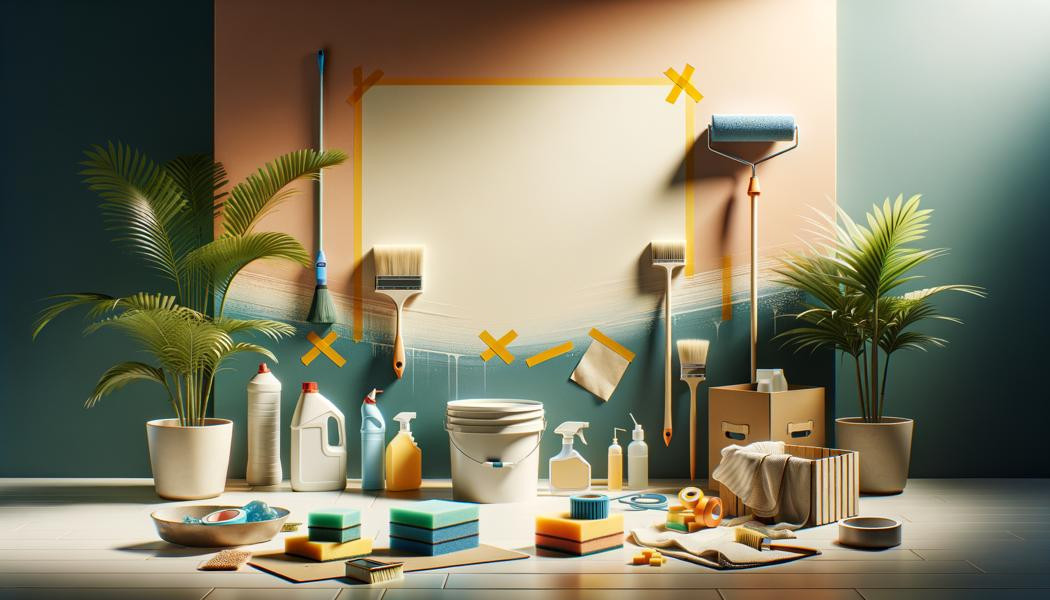
In this article, we will explore innovative techniques for effective wall cleaning. Wall washing may seem like a simple task, but it actually requires a strategic approach to achieve optimal results. We will review, step by step, the modern methods that will make this process easier. Additionally, we will discuss the products to use, essential tools, and how to properly prepare a wall before washing it. Finally, we will look at some practical tips for handling tough stains and avoiding damage to the wall paint. This overview is particularly useful for those who want to keep their living spaces in top condition.
Do you need help with wall cleaning? Quickly find a qualified provider on Helplease and benefit from tailor-made service to meet all your needs. Discover professionals near you!Contents
- What are the modern techniques for effective wall cleaning?
- How to choose the right products for cleaning a wall?
- Which steps should be followed to prepare a wall before washing it?
- What tools should be used for optimal wall cleaning?
- How to treat stubborn stains on a wall?
- What are the tips for washing a painted wall without damaging it?
- What is the importance of the washing technique in wall maintenance?
- How to assess the need for regular wall cleaning?
- What are the alternatives to chemical products for wall cleaning?
- How to differentiate wall washing according to the surface type?
- What is the recommended frequency of cleaning for interior walls?
- What mistakes should be avoided when washing a wall?
What are the modern techniques for effective wall cleaning?
Modern techniques for wall cleaning have evolved to meet contemporary needs. Among the most effective methods, the use of biodegradable products that are environmentally friendly is noteworthy. Spray application is an increasingly popular technique, as it allows for covering larger surfaces in less time while reducing the amount of product used. Pressure washers, in particular, have appeared in this discipline, especially for exteriors, where they can remove greasy dirt and mold.
Another innovative technique involves using special nozzles that adjust pressure and spray pattern. This ensures even application and prevents drips. Furthermore, combining steam cleaners with cleaning solutions allows for disinfecting walls while cleaning them, a perfect method for kitchen and bathroom walls. Products based on black soap or enzymes are also increasingly popular for their ability to break down stains while being gentle on surfaces.
The integration of smart technologies into cleaning tools is also on trend. Devices like cleaning robots, equipped with sensors, can navigate around furniture and corners, ensuring thorough cleaning with no human effort. These modern techniques emphasize not only effectiveness but also ergonomics, enabling users to complete the task without excessive fatigue.
In sum, modern wall cleaning techniques focus on efficiency and environmental care. They combine innovation, ergonomics and proven results, making the task of cleaning walls not only simpler but also more enjoyable.
Biodegradable solutions
Adopting biodegradable solutions is a major advancement in the cleaning sector. These products are not harmful to the environment and are often safe for children and pets. By favoring plant-based cleaners, users ensure a healthy living space while protecting our planet.
Advanced spraying technology
Spraying technology has seen significant improvements, with equipment that enables precise control of pressure and product distribution. This minimizes waste and ensures an even coverage, particularly helpful for textured or irregular walls.
How to choose the right products for cleaning a wall?
Choosing the products for wall cleaning depends on several factors, especially the type of surface and the level of dirt. It's essential to start with a small area test to check the compatibility of the product with the coating. For painted walls, gentle products such as black soap or a neutralized detergent are often recommended, as they clean efficiently without damaging the paint.
For deeper cleaning, especially in cases of grease or mold stains, antifungal products can be used. However, it is vital to avoid abrasive products that could scratch or damage the surface. All-in-one cleaning sprays available on the market are often designed for different types of walls and can be very convenient. They save time thanks to their efficiency.
Eco-labels and certifications are also a good indicator of a product’s quality and environmental impact. By choosing products with eco-labels, you not only protect your walls but also make a responsible choice for the environment.
Lastly, it is useful to consult user reviews before buying a product. Online feedback can offer valuable insights regarding the effectiveness of a particular cleaner on various surfaces.
Gentle products for painted walls
Products like white vinegar mixed with water and a few drops of dishwashing liquid are ideal for painted walls. This mixture cleans without scratching and leaves the walls fresh.
Professional formulas for tough stains
For persistent stains, it may be wise to use specific solvent essences, often available in DIY stores. These formulas are designed for deep treatment and do not leave residue.
Which steps should be followed to prepare a wall before washing it?
Preparing a wall before washing it is a crucial step to ensure effective cleaning and avoid damaging the surface. The first step is to clear the area around the wall. Removing furniture, frames, or any other decoration provides complete access. Next, it is recommended to cover the floor with a tarp or newspapers to avoid any product splashes.
The next stage is to inspect the wall to spot stains or imperfections. This should be followed by dusting, which can be done with a vacuum or a dry cloth to remove loose dust and dirt. In cases of mold or grease stains, it's better to treat those specific areas before proceeding with complete cleaning.
Once the wall is prepared, it’s beneficial to test the product on a small, non-visible area. This ensures the chosen solution does not damage the paint or wallpaper. When all this is done, wall cleaning can begin safely and effectively.
Finally, it is not unnecessary to check the moisture of the wall before starting, as a wall that is too damp may not react well to certain products. A dry wall is often preferable for optimal cleaning.
Importance of clearing space
Completely clearing the space around ensures there are no obstacles during cleaning and guarantees that all surfaces are accessible. This also reduces the risk of accident.
Preliminary dusting and inspection
This preliminary process helps identify the nature of stains and adjust product selection accordingly. A clean wall before cleaning ensures better effectiveness.
What tools should be used for optimal wall cleaning?
Having the right tools is essential for successful wall cleaning. Firstly, sponges and microfiber cloths are ideal for capturing dirt without scratching surfaces. For very dirty walls, a soft brush may be necessary to help lift stubborn stains.
Buckets are indispensable too, especially when using liquid solutions. A graduated bucket will allow you to easily measure the required amount of product. Gloves and possibly a mask are recommended to avoid direct contact with potentially irritating products.
For high walls, a step ladder is often crucial to safely reach elevated areas. Similarly, telescopic brushes can be particularly handy for exterior walls.
Lastly, a good pair of protective glasses should not be overlooked, especially when using powerful chemical products. Safety should always come first during cleaning.
Safety equipment
Do not hesitate to invest in good safety equipment, such as sturdy gloves and a mask, to ensure you work with complete peace of mind.
Special cleaning tools
Devices like high-pressure cleaners, when used with care, deliver fast and efficient results but require training to avoid accidents.
How to treat stubborn stains on a wall?
Stubborn stains can be a real challenge when washing walls. The first step is to identify the type of stain. If it's a grease stain, a mix of baking soda and water can be applied to help break it down. It's advisable to let it sit for a few minutes before gently scrubbing with a sponge.
For mold stains, a mixture of water and bleach is often effective. However, this method must be used with caution, as bleach can discolor some paints. It is crucial to ventilate the room during the treatment of these stains.
For rust stains, a mix of vinegar and baking soda can help remove them without damaging the surface. Let the mixture sit before rinsing as recommended.
Finally, testing each solution on a small area before applying widely is essential to avoid any potential damage.
Trick for grease stains
Applying talcum powder on a hot grease stain before standard cleaning can help eliminate it. This absorbs part of the grease before the product is applied.
Solutions for mold
For mold, using pure white vinegar can often yield excellent results, in addition to scouring the surface and providing a disinfecting effect.
What are the tips for washing a painted wall without damaging it?
Washing a painted wall can be tricky, especially if the paint is old or fragile. The first rule is to use products adapted to painted surfaces, always avoiding solutions that are too abrasive. Gentle cleaners such as Marseille soap or enzymatic cleaners are often preferred.
The cleaning technique is just as important: use gentle, circular motions, starting from the bottom and working upwards to prevent drips.
It is also essential to rinse the wall well after product application to avoid residues that could cause premature aging of the paint. Damp sponges offer a good finish without damaging the color.
Another tip is to test a small, non-visible area first to ensure the paint does not react badly to the chosen product. This avoids undesirable reactions that could be harder to deal with later.
Use of gentle cleaners
Choosing gentle cleaners helps preserve the shine and color of the paint. This is especially true for matte paints, which are usually more sensitive to harsh products.
Test on a small area
Before any treatment, a preliminary patch test on a small area helps anticipate any potential problems and adjust the methods accordingly.
What is the importance of the washing technique in wall maintenance?
The washing technique plays a central role in wall maintenance. Proper wall cleaning not only contributes to cleanliness, but also to the longevity of surfaces. By eliminating dust and accumulated pollutants, you prevent these elements from damaging the paint and the wall structure.
Good wall cleaning also helps maintain the aesthetic of indoor and outdoor spaces. Clean walls improve the overall appearance, which can increase the value of a property. In a commercial setting, it can impact brand image, making the entity more welcoming.
Additionally, certain washing techniques help disinfect surfaces, thus reducing the risk of diseases linked to mold and bacteria. This is particularly important in living spaces such as kitchens and bathrooms.
Lastly, keeping your walls clean also preserves indoor air quality. A build-up of dust and mold can harm health, especially for allergy or asthma sufferers. Regular wall cleaning thus becomes a necessity to maintain a healthy environment.
Preventive role of wall cleaning
By integrating wall cleaning into a preventive maintenance routine, you extend the lifespan of surfaces and reduce renovation costs.
Visual impact on the environment
Well-maintained walls add to the beauty of a space, creating a welcoming and pleasant atmosphere.
How to assess the need for regular wall cleaning?
Assessing the need for wall cleaning should be done by considering several factors. The first question is the visibility of stains or dirt. If the walls look dull or have build-up, wall cleaning is necessary.
It also makes sense to consider the environment and usage conditions of the room. For example, in kitchens or bathrooms, walls may need more frequent maintenance due to humidity and frequent splashes.
In addition, the age of the paint can be a factor regardless of its condition. Old or worn paint may require more regular cleaning to avoid irreversible damage before a renovation.
Finally, doing a regular check-up of the general condition of the walls helps plan wall cleaning to maintain a clean, well-kept appearance year-round.
Observing walls
Paying attention to warning signs, such as mold or damp stains, can guide the urgent need for wall cleaning.
Planning regular maintenance
Integrating wall cleaning into a maintenance schedule ensures that walls stay in excellent condition, thus reducing costly emergency interventions.
What are the alternatives to chemical products for wall cleaning?
Alternatives to chemical products for wall cleaning are varied and often more environmentally friendly. White vinegar is an excellent natural stain remover that can be mixed with water to create an effective solution against many types of dirt. This product not only cleans but also disinfects, making it a perfect choice for kitchens and bathrooms.
Baking soda is also an excellent alternative, especially for grease. Mixed with water to form a paste, it can be applied on stains to break them down. Black soap, on the other hand, is another natural product with excellent cleaning properties.
Tea tree oil is a natural antifungal option that can be used on walls affected by mold. Diluting a few drops in water creates an effective spray for treating affected areas.
Lastly, using hot water and soap is often an effective and safe method for frequent cleanings, helping to soften dirt and make it easier to remove.
Natural products
Natural products are increasingly effective and often safer to use. They minimize environmental impact while offering results comparable to chemical products.
Homemade mixtures
Creating your own blends with common ingredients lets you personalize solutions for the specific needs of the surfaces to be cleaned, while ensuring they remain non-toxic.
How to differentiate wall washing according to the surface type?
Differentiating wall cleaning according to the surface type is crucial for effective cleaning and preventing damage to materials. Painted walls require a gentler approach, using gentle products to maintain the integrity of the paint.
For wallpapered walls, dry cleaning with a soft brush is often preferable, as moisture can damage the glue. In contrast, for concrete or ceramic surfaces, stronger cleaners can be used.
Wooden walls demand special attention, as they can be sensitive to water and certain products. The use of mild mixtures and a damp cloth is recommended to avoid warping.
When maintaining special surfaces, such as marble or natural stone, using suitable products is essential. Many cleaning products contain acids that can damage these materials. Therefore, it is always important to check manufacturer recommendations before applying products.
Surface types and their particularities
Each surface type has its own cleaning requirements. Respecting these specifics not only preserves appearance but also the material’s durability.
Recommended products for each surface
Using the right product optimizes cleaning effectiveness while keeping the surface intact. This also reduces the need for premature renovations.
What is the recommended frequency of cleaning for interior walls?
The frequency of cleaning interior walls depends on several factors. Generally, annual cleaning is recommended for walls located in high-traffic areas, such as hallways and kitchens. This removes built-up dust and dirt while preventing permanent stains.
In spaces such as living rooms or bedrooms, wall cleaning every two years may be sufficient, provided the walls are not regularly exposed to splashes or humidity. Children or pets can also influence this frequency, with cleaning needing to be more regular in such households.
It is important to pay attention to the condition of walls, as signs of dirt can indicate the need for additional cleaning. Areas exposed to sunlight can develop stains more quickly and may need more regular cleaning.
Ultimately, adopting a preventive cleaning routine helps maintain a neat appearance while preserving indoor air quality.
Evaluating the state of the walls
Regularly observing wall condition allows you to determine the need for cleaning, avoiding waiting until stains become difficult to remove.
Maintenance routines
Setting up a maintenance routine with a regular schedule supports a healthy and aesthetic environment, preventing major work in the future.
What mistakes should be avoided when washing a wall?
Avoiding some common mistakes when washing walls can help you achieve the best results. Firstly, neglecting to read product instructions before use is a common mistake that can have disastrous consequences. Each cleaner may have specific application requirements that are crucial for its effectiveness.
Using too much product is also a mistake to avoid, as this can not only waste product but also leave sticky residues. Over-application can also cause drips or unsightly marks on walls.
Another mistake concerns ignoring preparation. Neglecting to clear the area and protect the floor can result in accidents or additional damage, making the process more labor intensive than it needs to be.
Finally, not rinsing the walls properly after cleaning can affect the adhesion of future paints and treatments. Always ensure the surface is completely clean and dry before continuing with other projects.
Reading instructions
Ensuring specific instructions for each product are followed guarantees optimal results and reduces damage risk.
Proper rinsing
Correct rinsing of walls after cleaning is essential for maintaining surface durability and allowing them to breathe.
Conclusion
In conclusion, wall cleaning is an essential task for maintaining your interiors, and it’s important to use appropriate techniques to ensure effective results without damaging your surfaces. By following the recommended steps, choosing the right products, and using suitable tools, you can easily keep your walls in excellent condition. Don't forget to regularly assess the condition of your walls and adapt the cleaning frequency to their exposure and use. By choosing environmentally friendly solutions, you also contribute to sustainable home maintenance.
Whether you need quick help or want to offer your services, Helplease is your solution! Download the app to access qualified experts or find clients in one click, and simplify your daily life! Available on iOS and Android!