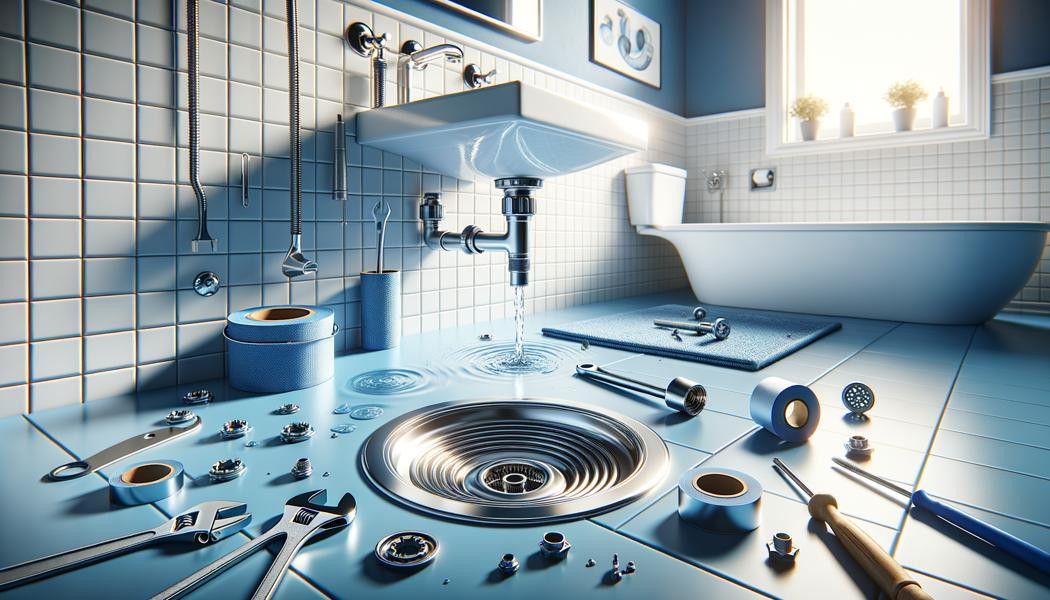
In the field of plumbing, it is crucial to fully understand the importance of drains, which are essential components to ensure the watertightness of installations. This article will discuss how to avoid leaks after replacing a drain, detailing the essential steps to follow to guarantee a job well done and prevent water-related inconveniences. We will review everything from choosing the right drain to post-installation maintenance, ensuring that you do not encounter problems in the future.
Need help changing a drain? Quickly find a qualified service provider on Helplease and enjoy a custom service to meet all your needs. Discover professionals near you!Contents
- What is a drain and why is it essential in plumbing?
- What are common reasons for leaks after replacing a drain?
- How to choose the right drain to avoid leakage problems?
- What steps should be followed for an effective drain replacement?
- What tools are necessary to replace a drain without leaks?
- How to check the watertightness of a drain after installation?
- What techniques help prevent leaks during installation?
- What type of gasket is best suited to avoid leaks?
- How to maintain a drain to prevent long-term leaks?
- What to do in case of a persistent leak after changing a drain?
- What are the signs that a drain needs to be replaced?
- What frequent mistakes should be avoided when changing a drain?
What is a drain and why is it essential in plumbing?
A drain is a device used in a building's plumbing system to evacuate wastewater. It plays a crucial role by allowing water to drain from sinks, showers, and other sanitary installations. Without a functional drain, it would be impossible to maintain hygiene and proper operation of installations, increasing the risk of flooding and damage. Understanding how a drain works is therefore fundamental for anyone wishing to maintain their plumbing system.
The importance of a drain is not limited to its functional role; it is also equipped with filtration systems that prevent debris from penetrating the pipes. This helps to prevent clogs and to ensure the proper flow of water. In this way, a well-chosen and installed drain can extend the service life of the entire plumbing system.
Furthermore, it is essential to remember that a poor choice or careless installation of a drain can have disastrous consequences. Thus, it is vital to pay attention to detail when selecting and installing drains to avoid future inconvenience.
In this article, we will cover various key aspects related to the drain, from selection to maintenance, to ensure your plumbing operates optimally and durably.
Importance of good watertightness
The watertightness of a drain is crucial, as it prevents water leaks that could cause structural damage. Investing in quality materials and regular maintenance is vital to avoid costly repairs in the future. Indeed, the drain acts as a barrier between the inside of your home and the drainage pipes, further underlining the importance of this part in your plumbing system.
How drains work
The proper functioning of a drain depends on its design, which allows water to flow while blocking odors from the pipes. It is therefore essential to choose a drain suited to the type of sink or bathtub since sizes and specifics vary. A good understanding of these aspects will help you make an informed choice when replacing your drain.
What are common reasons for leaks after replacing a drain?
The main reason why leaks occur after changing a drain is often related to improper installation. It is essential to ensure that all gaskets and connections are correctly tightened. Careless installation can lead to water leaks, which could cause long-term damage to surrounding structures and result in extra repair costs.
Another common cause of leaks after replacement is the inappropriate choice of drain type. There are different models designed for specific applications. Using a drain that is not suitable for your installation could cause leaks. It is therefore crucial to know exactly what type of drain is needed before proceeding.
Gaskets also play a major role in watertightness. If gaskets are worn out or badly installed, they will fail to perform their function, causing frequent leaks. It is recommended to replace all gaskets when installing a new drain to ensure better watertightness.
Finally, wear over time can also be a factor. If the plumbing is old, even a correctly installed new drain could cause problems if other parts of the system are weakened. It is wise to conduct a thorough inspection of your plumbing system to detect any other possible issues.
Careless installation
A careless installation often causes leaks. Mistakes such as insufficient tightening of bolts or omission of certain gaskets can result in seepage. It is therefore recommended to closely follow the installation instructions provided by the manufacturer to avoid these common mistakes.
Inappropriate drain choice
Choosing an unsuitable drain can also lead to leaks. The dimensions and type of material must be carefully considered according to the intended use. Too often, homeowners choose cheaper alternatives without considering compatibility with their existing installation.
How to choose the right drain to avoid leakage problems?
Choosing the right drain is crucial to prevent leakage problems. Firstly, it is essential to evaluate your specific needs in terms of diameter and drainage type. Available products on the market come in different sizes and are designed for precise applications, such as sinks and showers.
Next, it is highly recommended to look into the choice of manufacturing material. Plastic drains can seem cost-effective, but metal ones often provide better durability and resistance. Considering your installation’s conditions, pick a material that will provide better longevity.
Additionally, it is useful to research user feedback. Reading online product reviews or seeking the opinion of professionals can offer insight into the quality and effectiveness of different drains. This can also help you avoid certain products known for their defects.
Finally, do not hesitate to consult a professional plumber, especially if you are unsure of what to choose. An expert can guide you to the best options while considering your specific situation.
Size considerations
The dimensions of the drain must exactly match the opening of your installation. Measuring the opening carefully before purchasing is therefore crucial to ensure you get the right drain that will leave no room for leaks.
Material assessment
The materials used for drains also influence their durability. Choosing metal or brass drains can be a good option, as they are often more resistant to damage and corrosion compared to plastic options.
What steps should be followed for an effective drain replacement?
Replacing a drain requires a methodical approach. The first step is to shut off the water supply to avoid any flooding during the replacement process. Once this is done, carefully remove the old drain by unscrewing the fastening parts to avoid damaging surrounding elements.
Next, prepare the opening surface to receive the new drain. This may require cleaning away all debris and residue to ensure there is no obstruction. A clean surface allows good contact between the drain and the gasket.
Once the surface is ready, insert the new drain and tighten all fastenings while ensuring all gaskets are properly in place. Determining whether an additional gasket is needed for better watertightness is also a key detail to check.
After everything is in place, perform a watertightness test by restoring the water supply and monitoring the drain for signs of leakage. This ensures your installation is perfectly watertight before putting it back into use.
Removing the old drain
When dismantling, it is important to use the right tools to avoid damaging the pipes or the drain itself. Adjustable wrenches or box wrenches may be needed to safely unscrew the elements.
Preparing the surface for the new drain
Surface preparation is often overlooked but it is essential to ensure the proper fitting of the new drain. Cleaning away residues, possibly using a degreaser, and ensuring all old gaskets are removed are essential steps.
What tools are necessary to replace a drain without leaks?
To replace a drain without leaks, it is crucial to have the right tools. An adjustable wrench set, a box wrench, and a screwdriver are often indispensable for properly handling fastenings.
Furthermore, it is always advised to have a bucket on hand to catch any residual water during removal of the old drain. This helps maintain a dry and clean workspace, preventing the risk of slipping or inconvenience during replacement.
Additionally, work gloves can also be useful to protect your hands while handling materials and tools. Safety goggles are another item to consider, especially if you use power tools.
Finally, a flat gasket or plumbing tape can be invaluable for reinforcing watertightness when installing the new drain.
Basic required tools
The basic tools generally include an adjustable wrench for bolts, screwdrivers for screws, and a utility knife for gasket-type materials. Ensuring you have all necessary tools before starting avoids interruptions during the project.
Additional tools for a neat job
Depending on the type of drain, special tools such as a hacksaw or drill may be needed to make the work easier. Keeping these tools handy ensures increased efficiency during the replacement.
How to check the watertightness of a drain after installation?
Testing the watertightness of a newly installed drain is a crucial step in ensuring there are no leaks. After replacing the drain, restore the water supply and let enough water flow to fill the drainage system. Watch closely for water drops appearing around the drain or anywhere else on the gaskets.
Another method is to use paper towels or a cloth placed around the drain to catch any droplets. If the paper becomes damp, this signals a watertightness problem that should be resolved immediately to prevent future damage.
It is also advisable to check the drain connections after a few days. Sometimes, water may show signs of a leak after several days due to temperature and pressure fluctuations in the system, so do not neglect this step.
If a leak is detected, you will need to dismantle the drain to readjust or possibly replace the gaskets to achieve a properly sealed installation.
Leak test with running water
Letting water flow for an extended period is key to ensuring the drain's long-term resilience. Ongoing checking during this period helps to spot defects early and prevent possible leaks.
Watching for signs of leakage
Monitoring for signs of moisture on the walls or floor around the installation is also crucial. Damp walls or a soaked floor are clear indications of a leak, requiring immediate action.
What techniques help prevent leaks during installation?
To prevent leaks during the installation of a drain, certain techniques can be applied. Using quality gaskets is one of the most critical steps. It is always advised to use new gaskets suited to the type of drain to guarantee watertightness.
Another wise technique is not to overtighten screws or bolts. Excessive tightening can compromise the gaskets, which may lead to failure and long-term leaks. It is preferable to apply moderate pressure for proper support without compromise.
Finally, using a specific plumbing sealing paste or tape can help to ensure a better seal between the drain and the pipe. This provides an extra layer of security against leaks.
By following these techniques, you greatly minimize the risk of leaks and improve the longevity of your installation.
Using quality gaskets
High-quality gaskets are essential for creating a watertight environment. Favor silicone or rubber gaskets, which are often more resistant to temperature changes and the corrosive properties of water.
Proper tightening of elements
Do not be too forceful when tightening the drain. Overtightening can deform or damage the material, causing long-term leaks. Opt for balanced tightening that ensures solidity while protecting gasket integrity.
What type of gasket is best suited to avoid leaks?
The choice of gasket for installing the drain is fundamental. Rubber gaskets, for example, are often preferred for their flexibility and ability to absorb pressure changes. They provide a good barrier against leakage while allowing flexibility in installation.
Other materials, such as silicone, are also good choices because they offer excellent resistance to water and chemicals. They are particularly useful in more demanding environments where durability is crucial.
Furthermore, some gaskets are specially designed for particular applications, such as metal gaskets, which are ideal for installations exposed to extreme temperatures. By keeping in mind the intended use, you can select a gasket that will provide maximum watertightness.
Consulting professionals or plumbing specialists can also help you to choose the right gasket to prevent long-term leaks.
Advantages of rubber gaskets
Rubber gaskets are preferred for their durability and flexibility. They allow for easy installation and adapt well to pressure and temperature changes while preventing leaks.
Using silicone for specific applications
Silicone gaskets are especially suitable for damp environments and are known for their longevity. They provide watertight installations, particularly in areas where resistance to moisture is key.
How to maintain a drain to prevent long-term leaks?
Maintaining a drain is essential to extend its lifespan and prevent future leaks. Regular cleaning of the drain helps to remove debris buildup that could clog pipes and cause leaks. Using boiling water or natural solutions such as vinegar can help loosen residue without damaging materials.
Furthermore, it is recommended to periodically check the gaskets and fastenings. If you notice signs of wear or loosening, it is best to act quickly to replace worn gaskets or tighten fastenings.
Also keep in mind that applying lubricant to the gaskets can help maintain their flexibility and effectiveness. This helps prevent tears and cracks that could cause leaks.
Finally, be sure to keep an eye on the drainage system and call a professional if in doubt. Preventive diagnostics can be invaluable in avoiding major repairs in the future.
Regular cleaning of the drain
Preventive maintenance through regular cleaning is essential. This ensures the drain operates at its best and helps to prevent blockages.
Checking gaskets and fastenings
Regularly inspect gaskets and fastenings for any signs of wear or loosening. Acting early helps to avoid future leaks and costly repairs.
What to do in case of a persistent leak after changing a drain?
If a leak persists after changing a drain, the first step is to shut off the water to prevent further damage. Then, carefully inspect the drain and its connections. Gaskets may have been wrongly installed, or some parts could be defective. In this case, it is crucial to dismantle the installation to identify the problem.
Also check if the type of drain installed is appropriate. If the drain does not match what is required for your setup, that may explain the leak. If unsure, it might be wise to consult a professional.
Once the issue is identified, replace defective parts or adjust the gaskets. It may also be necessary to add sealing tape to reinforce watertightness.
Finally, after making the repairs, perform a second watertightness test to ensure that the leak is fully resolved before putting the system back into service.
Shut off water immediately
In case of a leak, the first step is to shut off the water to prevent any damage. This gives you time to resolve the problem without causing further issues.
Thorough inspection of the setup
Examine each component of the installation to detect any signs of wear or failure. This can help you locate the leak source faster.
What are the signs that a drain needs to be replaced?
Several signs may indicate that a drain needs to be replaced. Firstly, slow drainage or frequent blockages can indicate the drain is clogged or deteriorated. If temporary fixes do not work, it could be a sign you should consider replacement.
Water leaking around the drain or poorly balanced gaskets are also important indicators. Water drops or stains around the drain may signal it is no longer functioning properly, requiring replacement.
Special attention should also be paid to sewer odor or unusual gurgling sounds, as these can indicate trash buildup or installation failure.
Finally, if a drain is more than 10 years old, it may be wise to inspect it to determine whether preventative replacement is appropriate.
Slow drainage
If you notice your sinks or showers are draining more slowly than before, this could be a sign that the drain is clogged or old and should therefore be replaced.
Visible leaks
The presence of water or mold around the drain is a concerning sign that the drain needs immediate replacement to prevent further damage.
What frequent mistakes should be avoided when changing a drain?
One of the most common mistakes when changing a drain is not replacing the gaskets. Neglecting this aspect can result in inevitable leaks, even if the new drain is properly installed. Always replace gaskets when changing a drain; this is a basic principle.
Another mistake to avoid is rushing the installation. Taking your time to follow instructions and ensure everything is properly fitted is vital. Push-in fastenings can cause excess tension, which may damage parts.
Finally, do not hesitate to seek professional help. Many homeowners try to do replacements themselves for cost reasons, but an experienced plumber can save time and money by preventing errors you might otherwise make.
By avoiding these common mistakes, you’ll enjoy a durable and functional installation.
Not replacing the gaskets
Forgetting to replace gaskets during any drain installation is a costly error. This can lead to quick leaks, requiring further repairs.
Rushed installation
Rushing can lead to costly mistakes. Always take the time for a correct installation to guarantee optimal performance.
Conclusion
Replacing a drain and maintaining its watertightness are crucial steps to ensure the efficiency of your plumbing. By understanding the different aspects of this process—including selection, installation, and maintenance—you can avoid future leaks that could result in costly inconvenience. Common mistakes to avoid include ignoring the importance of gaskets and failing to be diligent during installation. By watching for signs of deterioration and following regular maintenance steps, you can extend the lifespan of your drain and maintain the optimal functioning of your plumbing system.
Whether you need quick help or want to offer your services, Helplease is your solution! Download the app to access qualified experts or find clients with a single click, and simplify your daily life! Available on iOS and Android!