Summary
- What are the benefits of fruit trees in a garden?
- How to choose the right varieties of fruit trees for your orchard?
- What is the best time to plant fruit trees?
- What are the key steps for planting a fruit tree?
- How to maintain your fruit trees throughout the seasons?
- What specific care should be given to young fruit trees?
- How to effectively water your fruit trees?
- What types of fertilizers are recommended for fruit trees?
- How to prevent fruit tree diseases and pests?
- What pruning should be done to promote fruit tree production?
- How to harvest and store fruit from a healthy orchard?
- What tips are there for designing an aesthetic and productive orchard?
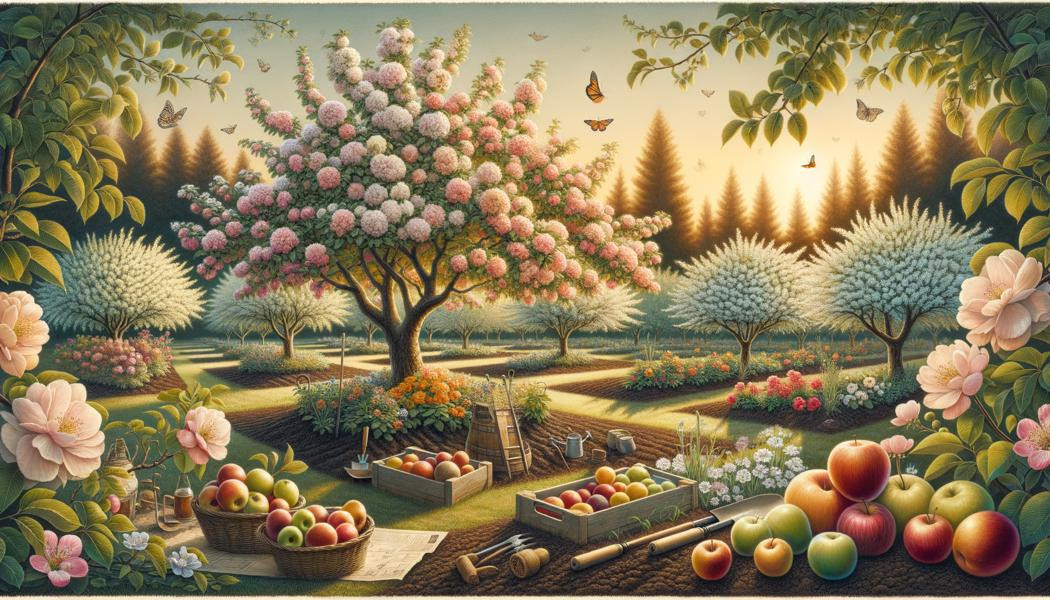
Fruit trees are not only a source of delicious fruit, but they also bring natural beauty to any garden. In this article, we will explore the essential care needed for fruit trees to ensure a healthy orchard. We will cover various aspects such as the benefits of fruit trees, varietal choices, planting periods and maintenance, as well as the specific care needed to promote their optimal growth. Whether you are a novice or experienced gardener, this article will provide you with valuable information to maximize the health and productivity of your orchard.
Do you need help planting fruit trees? Quickly find a qualified provider on Helplease and enjoy a tailor-made service to meet all your needs. Discover professionals near you!What are the benefits of fruit trees in a garden?
Fruit trees bring a multitude of benefits to a garden. Firstly, they offer a harvest of fresh fruit, rich in vitamins and minerals, thus contributing to a healthy diet. Access to homegrown fruit allows you to reduce costs and ensures superior quality, free from pesticides and chemicals. Secondly, these trees play a crucial environmental role by regulating the local climate. They improve air quality by absorbing carbon dioxide and producing oxygen.
Moreover, they promote biodiversity by creating a habitat for many animals and pollinating insects. This biological diversity is essential for maintaining the balance of local ecosystems. Finally, planting fruit trees is an excellent investment for the future, as they can produce fruit for several decades and add value to your property. By integrating fruit trees into your garden, you are contributing not only to your well-being but also to environmental preservation.
Impact on environmental health
Fruit trees contribute to environmental health in a significant way. By improving air quality and reducing the effects of pollutants, they help create a healthier environment. Their role in carbon sequestration is also crucial for combating climate change. Additionally, they play a vital role in preventing soil erosion thanks to their strong root system, which helps maintain soil structure.
Contributions to biodiversity
Planting fruit trees can increase biological diversity in the garden. By attracting pollinators such as bees and butterflies, these trees not only ensure their survival but also that of many other species. Moreover, they help create a balanced ecosystem where various species coexist in harmony. Thus, a well-maintained orchard becomes a microcosm of nature, enriching the surrounding plant and animal life.
Professionals, are you looking for more clients? Register on Helplease today to offer your services and grow your business. Access a large client base in just a few clicks!How to choose the right varieties of fruit trees for your orchard?
Choosing the right varieties of fruit trees is crucial for the success of your orchard. First, it is essential to consider the climate in your region. Some varieties are better suited to warm conditions, while others thrive in cooler climates. Consult a local professional or gardening guide to identify the varieties most appropriate to your climate.
Next, consider your family's tastes and preferences. Do you prefer apples, pears, cherries, or citrus fruit? Make sure to choose fruits you are certain to eat. Also, consider the space available in your garden; some varieties can grow very large if not pruned.
Adaptation to soil and conditions
The quality of the soil plays a crucial role when choosing tree varieties. Carry out a soil test to know the pH and structure, which will help you choose trees that will grow best in those conditions. For example, cherry trees thrive in well-drained soil, while apple trees can tolerate more clayey soils. By taking this into account, you will maximize the health of your fruit trees.
Resistance to diseases and pests
Finally, it is advisable to choose varieties resistant to common diseases in your area. Find out about local plant health problems and choose trees that have proven themselves in resisting these attacks. This will help you avoid many disappointments and ensure a healthy and productive orchard.
If you are looking for an expert to meet your specific needs, go to Helplease and discover the providers available near you. Make life easier and find the right professional!What is the best time to plant fruit trees?
The planting period for fruit trees is crucial for their development. In general, the best time to plant fruit trees is in autumn or at the beginning of spring. In spring, you can take advantage of mild temperatures and warmed soil to help the roots establish before summer heat. Autumn also has advantages, as the soil is still warm, allowing good rooting before winter.
It is important to note that the precise period can vary depending on the varieties chosen. For example, deciduous trees are best planted in autumn, while evergreen trees can be planted in spring. Find out about each type of tree you are considering to determine the optimal planting time.
Climatic conditions
Besides the season, it is also crucial to consider the climate conditions. Avoid planting during periods of frost or extreme drought. Young trees, if exposed to adverse weather conditions, may have trouble establishing themselves. Take into account the local weather to choose the best time to plant your trees. Experts recommend waiting for a fair weather period, so new trees can settle comfortably.
Soil preparation before planting
Before planting, make sure to properly prepare your soil. You may need to aerate the soil and add organic amendments to enrich the earth. This will provide a nutrient-rich environment conducive to rapid root growth. Good soil preparation will maximize the chances of success of your new fruit trees once planted.
What are the key steps for planting a fruit tree?
Planting a fruit tree requires several essential steps to guarantee its proper development. First, choose a suitable location that offers good sunlight and optimal air circulation. A good location is crucial, as fruit trees need sun to produce quality fruit.
Then, prepare the planting hole. The hole should be wide and deep, approximately twice the width of the tree's root system. This allows roots to spread easily and settle into loose soil. Once the hole is dug, make sure to remove all stones and debris that could hinder root growth.
Placing the tree
When planting, place the tree well in the center of the hole while making sure the collar (where the roots meet the trunk) is at soil level. This is essential, as burying the collar may cause trunk rot. Carefully fill the hole back with the removed soil, lightly tamping it down to eliminate air pockets.
Watering and protection
After planting the tree, water it abundantly to promote rooting. Good watering will help establish solid contact between the roots and the soil. In addition, protect the tree from pests or extreme weather conditions with netting or guards if necessary. These measures will ensure your new tree has every chance of thriving in its new environment.
How to maintain your fruit trees throughout the seasons?
Caring for fruit trees is a key element to ensure their health and productivity. Every season brings different care requirements, and it is important to remain vigilant. In spring, pruning is often necessary to encourage growth and remove dead or diseased branches. It is also the ideal time to fertilize the trees to give them a good start to the growing season.
In summer, watering becomes crucial, especially during drought periods. Make sure your orchard gets enough water without saturating the soil. Also, monitor the appearance of diseases or pests. If problems arise, intervene quickly with appropriate treatments, whether using organic methods or plant health products.
Preparing for winter
In autumn, prepare your trees for winter by performing a final pruning if necessary. Remove unharvested fruit and dead leaves to reduce disease risks. Additionally, it may be useful to mulch around the base of the trees to protect roots from the cold. This measure will help maintain a more consistent soil temperature during winter.
Continuous monitoring
Throughout the year, regularly monitor the health of your trees. Watch for any signs of stress, disease, or nutrient deficiencies. Regular follow-up will let you correct potential problems before they become serious. Proper care, observation, and preventive measures are the keys to a flourishing orchard.
What specific care should be given to young fruit trees?
Young fruit trees require special care to establish well. From planting, it is essential to ensure regular watering. Young trees have shallow root systems and need constant moisture to develop strong roots. Watering must be adjusted based on weather conditions to avoid over-saturating the soil.
Furthermore, protection from sun and wind is crucial in the first years. You can use stakes or guards to reduce the effects of wind and direct sun during hot periods. This will help prevent plant stress and promote healthy growth.
Proper fertilization
Young trees benefit from appropriate fertilization adapted to their age and nutritional needs. A balanced fertilizer, rich in nitrogen, phosphorus, and potassium, is recommended during the first year of growth. This will ensure young trees receive the nutrients needed for faster and healthier development.
Disease monitoring
Finally, be vigilant about diseases and pests. As young trees are more vulnerable, inspect them regularly for any signs of problems. This may include checking leaves, stems, and fruit for any abnormal changes. If necessary, consider preventive treatments to protect your young orchard.
How to effectively water your fruit trees?
Effective watering is essential for the health of fruit trees. The first step is to assess the water needs of each variety planted. Young trees generally require more water to establish than mature trees. Therefore, it is crucial to adapt your watering approach according to the age and size of the tree.
For optimal watering, it is preferable to water deeply rather than frequently. This encourages roots to grow deeper into the soil, allowing them to better withstand periods of water stress. Proper watering should penetrate the soil to about 30 cm deep. Using a sprinkler or an irrigation system can facilitate this task.
Watering tips according to the season
In spring and summer, watering should be more frequent due to higher temperatures and increased evaporation. During these months, it is advisable to water the trees every 7 to 10 days, depending on soil moisture. In autumn, gradually reduce the watering frequency, but pay particular attention to encourage root development before winter.
Soil moisture monitoring
Always check soil moisture before watering. Insert your finger into the soil a few centimeters deep; if the soil is still moist, wait another day or two. Proper judgment will prevent overwatering, which can lead to root rot and other problems. Keeping a schedule of your watering frequency can also help you better gauge your trees' water needs.
What types of fertilizers are recommended for fruit trees?
Fertilization is essential to the health of fruit trees. For good development, a balance of macronutrients and micronutrients is required. Compost-based fertilizers are often recommended, as they not only provide nutrients but also improve soil structure.
Organic fertilizers, such as manure or composted garden waste, deliver beneficial nutritional variety. The slow release of nutrients ensures continuing feeding over time. Thus, during the first year, use a fertilizer high in nitrogen to promote foliar and root growth.
Soil analysis
Before choosing a fertilizer, it is crucial to perform a soil analysis. This analysis will help you determine precise deficiencies and choose a fertilizer suited to your specific needs. For example, if your soil lacks potassium, opt for a balanced fertilizer higher in potassium.
Fertilization schedule
As for the schedule, fertilization should take place at the beginning of spring, when the tree begins to show signs of new growth. A second application may be made in summer to support fruit formation. Avoid fertilizing in autumn, as this may stimulate untimely growth during the cold months.
How to prevent fruit tree diseases and pests?
Preventing diseases and pests is essential to maintaining the health of fruit trees. First, establish healthy cultural practices, including good ventilation and regular pruning, to reduce humidity around the leaves and improve air circulation. This makes the environment less favorable for fungal diseases.
Next, using disease-resistant varieties can significantly reduce risks. Choose trees that have shown resistance to known diseases in your region, such as downy mildew or scab.
Continuous monitoring
Regular monitoring of your trees is vital. Inspect each tree every few weeks for signs of diseases or pests. This includes observing leaves, fruit, and trunks for any abnormalities. The earlier problems are detected, the easier they are to control.
Natural control methods
Finally, explore biological control methods. Introducing natural predators of pests, like ladybugs, can help regulate pest populations. Similarly, applying organic products like insecticidal soap may be effective. Avoid harsh chemicals, especially during the flowering period, to preserve pollinators and the overall health of your garden.
What pruning should be done to promote fruit tree production?
Pruning fruit trees is a key practice for maximizing their production. In general, pruning is done during the dormant period, usually between November and March. This reduces stress on the tree and lets it focus its energy on fruit production the next season.
Pruning should be targeted, focusing on removing dead, poorly positioned, or too dense branches. By thinning the foliage, you allow sunlight to reach developing fruit, which encourages ripening. Avoid pruning too severely, as this could weaken the tree.
Pruning techniques
Use proper pruning techniques, such as goblet pruning, which helps create an open structure, or formative pruning for shaping young trees. Be sure to use clean, sharp tools to prevent introducing diseases. After pruning, a bit of pruning seal can be applied to wounds to help prevent infection.
Monitoring results
Finally, observe the results of your efforts. The first years may require adjustments in your pruning techniques to understand each tree’s specific needs. Keep a journal of your pruning practices for continual improvement and to track fruit production performance.
How to harvest and store fruit from a healthy orchard?
Fruit harvest must be done at the optimal time to ensure the best flavor and quality. To determine the right moment, it is essential to know the tree variety and the signs of fruit maturity. In general, fruit should be picked when they are firm, colored, and slightly fleshy to the touch.
After harvesting, it is vital to handle fruit carefully to avoid bruises and damage. Use well-ventilated baskets or crates to prevent premature rotting. Proper storage in a cool, dry place can prolong preservation.
Preservation techniques
For longer preservation, consider methods such as canning, freezing, or making jams. This allows you not only to enjoy fruit outside the season but also to reduce waste. Be sure to use fruit in excellent condition to achieve the best results with these techniques.
Education and sharing
Finally, educate your family on the best harvesting and preservation practices. By involving them in the process, you encourage greater respect for fruit and the work involved in producing them. Also, feel free to share your surplus with neighbors, which can strengthen community bonds and promote a culture of sharing.
What tips are there for designing an aesthetic and productive orchard?
Designing an orchard is not only a question of productivity; it is also a great opportunity to create an aesthetic space. To do this, start by planning the orchard layout considering the maximum size each tree can reach. Create pathways to facilitate access to the trees and encourage space integration.
Consider mixing different tree varieties and creating combinations of flowers and companion plants to improve the ecosystem and attract pollinators. A well-diversified orchard is not only beneficial for the health of the trees, but it also brings color and visual interest throughout the year.
Create an herb garden
Consider adding an herb garden near your fruit trees. Herbs such as basil, mint, or rosemary can not only enhance your cooking but can also help attract beneficial insects and repel pests.
Integrate decorative elements
Finally, feel free to include decorative elements like benches, sculptures, or gravel paths to create a welcoming space. This transforms your orchard into a pleasant environment where you can spend time enjoying nature while caring for your fruit trees.
Conclusion
In summary, taking care of your fruit trees requires commitment and attention to detail. Every step, from planting to harvesting, needs patience and specific knowledge to ensure a healthy and productive orchard. By applying the advice shared in this article, you will not only enjoy delicious harvests but also a magnificent green space that enriches your environment and your quality of life.
Whether you need quick help or want to offer your services, Helplease is your solution! Download the app to access qualified experts or find clients in one click, and simplify your daily life! Available on iOS and Android!