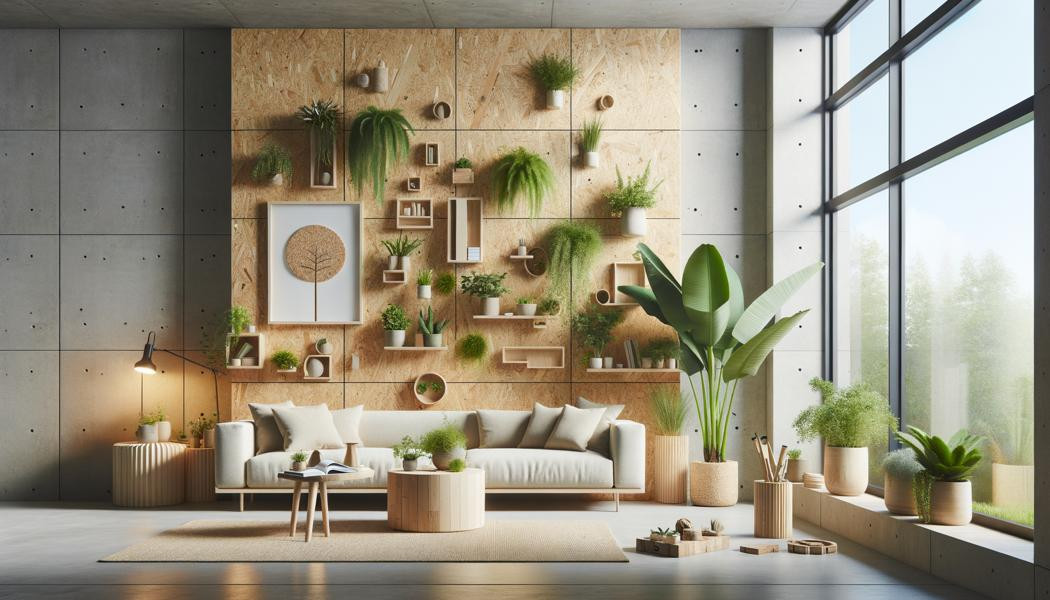
In this article, we will explore the different insulating and ecological solutions for wall layout in 2025. The goal is to understand how these solutions can improve the comfort of your living space while respecting the environment. We will discuss ecological materials, insulation techniques, advantages of ecological solutions, and many other essential aspects for successfully completing your wall layout project.
Do you need help with wall layout? Quickly find a qualified service provider on Helplease and enjoy a tailor-made service to meet all your needs. Discover professionals near you!Summary
- What are the insulating solutions for ecological wall layout?
- Why choose ecological materials in wall layout?
- What are the different wall insulation techniques available?
- How do you choose the best insulation solution for your project?
- What are the advantages of ecological insulating solutions?
- What are the performance criteria for insulating materials?
- How do you integrate aesthetics into insulating wall layouts?
- What are the costs associated with ecological insulating solutions?
- How can you make your own insulating wall layout?
- What is the importance of ventilation in an insulating wall layout?
- What are the wall insulation regulations in 2025?
- What expert advice can help you succeed in your ecological wall layout?
What are the insulating solutions for ecological wall layout?
Insulating solutions for ecological wall layout are varied and have the main objective of reducing thermal loss and improving comfort. Among the popular solutions, we find rock wool panels, expanded polystyrene panels, and natural insulators such as sheep's wool or cork. These materials are not only efficient in terms of insulation but are also environmentally friendly. By choosing durable materials, you contribute to the preservation of our planet.
Moreover, the insulation solutions must be adapted to each type of wall—whether interior or exterior walls—and to each project. Identifying the source of heat loss is crucial. By doing so, you can install specific insulators that better meet the needs of each space. For example, installing insulating panels on basement walls can prevent dampness while improving thermal insulation.
Another important aspect to consider when carrying out your layout is the certification of materials. Indeed, choosing certified ecological materials guarantees that they meet strict health and environmental standards. This also reassures users about the durability and safety of their choices.
In short, insulating solutions for ecological wall layouts are numerous and offer benefits for both human health and the environment. Proper evaluation of every available option is essential for a successful and long-lasting layout.
Professionals, are you looking for more clients? Sign up on Helplease today to offer your services and grow your business. Access a wide base of clients with just a few clicks!Why choose ecological materials in wall layout?
Choosing ecological materials for wall layout offers several significant advantages. First of all, these materials minimize environmental impact by often being biodegradable or recyclable, which reduces the waste produced during construction. In addition, ecological materials are generally less harmful to human health, contrary to some synthetic insulators that can emit volatile organic compounds (VOCs).
Another important advantage is the thermal performance of these materials. Often, ecological materials such as recycled cellulose or hemp boards offer excellent insulation properties, reducing the need for heating or air conditioning, and consequently, energy bills. This also contributes to reducing your home's carbon footprint over the long term.
By choosing ecological materials, homeowners also benefit from increased comfort and a healthier indoor environment. A well-insulated space using natural materials helps regulate humidity and improves indoor air quality. Users can thus live in a more pleasant environment, without health risks.
Finally, incorporating ecological materials reflects a growing environmental awareness that can increase the value of a property. Potential buyers are increasingly attracted to environmentally friendly homes, which can boost resale values.
What are the different wall insulation techniques available?
There are several wall insulation techniques that can be used depending on the characteristics of the home and the specific needs of each project. The most common techniques include interior wall insulation and exterior wall insulation. Interior insulation involves applying insulating panels to the inside walls, a method often used for renovations.
On the other hand, exterior insulation requires more extensive work but has the advantage of avoiding thermal bridges. This method is especially suitable for new constructions, as it allows for continuity of insulation across the entire façade. Adding a render or cladding can also improve the aesthetics of the house while protecting it from bad weather.
Blow-in insulation techniques are also worth considering. Very effective for unused attics, they make it possible to inject insulating materials, such as glass wool or cellulose, into hard-to-reach spaces. This method is quick to implement and provides effective insulation without compromising the existing structure.
For certain renovations, cavity wall injection is often used. This involves injecting insulating materials into existing cavities to improve insulation without increasing wall thickness.
How do you choose the best insulation solution for your project?
Choosing the best insulation solution for your wall layout project involves several key factors. The first step is to evaluate the specific needs of your space, taking into account its orientation, structure, and local constraints such as climate or thermal regulations. This will guide you toward the most suitable type of insulator.
Another criterion to consider is the budget. The prices of insulating materials can vary greatly, as do the labor costs associated with installation. Sometimes, investing in ecological solutions can mean a higher initial cost, but the savings on energy bills over time can offset the difference in the long run.
Furthermore, it is important to consider the durability and resistance of materials to external factors such as humidity and insects. Favor materials that have been specifically treated against pests and mold to ensure the longevity of your wall layout.
Finally, don't forget to research material certifications. Choosing labeled eco-certified products ensures their reduced environmental impact and compliance with health standards.
What are the advantages of ecological insulating solutions?
Ecological insulating solutions offer many advantages not only for property owners but also for the environment. Firstly, they are often made from natural materials, reducing waste and lowering the carbon footprint of their production. By using renewable resources such as linen or hemp, you also support sustainable agricultural practices.
Moreover, these solutions have a direct impact on the building's energy performance. By improving thermal insulation, you optimize energy consumption, resulting in substantial savings on heating or air conditioning bills. In short, homes using ecological insulators are more comfortable while being less energy-intensive.
Regarding health, ecological insulators do not release harmful chemicals for occupants. This leads to better living conditions, especially for those with allergies or respiratory disorders, which can be exacerbated by exposure to volatile organic compounds.
Beyond environmental benefits, ecological insulating solutions can also increase property value in response to growing demand for eco-friendly housing. Homeowners can thus make a smart long-term investment aligned with current real estate market expectations.
What are the performance criteria for insulating materials?
The performance of insulating materials is based on several essential criteria. The first is thermal conductivity. This value determines the material's ability to transfer heat. The lower the thermal conductivity, the more effective the material is at preventing heat from escaping your home in winter or entering during summer.
Another important criterion is moisture resistance. Some materials are better suited to humid environments than others. It makes sense, therefore, to select an insulator according to localized climatic conditions and the home's design. Choosing materials proficient in water resistance helps prevent mold growth and other moisture problems.
Next, durability and longevity are crucial, especially for long-term projects. Insulators with better resistance to compression and impact will maintain their performance over time. These materials must also be resilient to pests to ensure lasting insulation.
Finally, it is essential to consider environmental impact. Certified ecological materials are often preferred because they minimize negative effects on the planet. Learning about their origin and life cycle helps you choose products that meet sustainability standards.
How do you integrate aesthetics into insulating wall layouts?
Integrating aesthetic aspects into insulating wall layouts is a key step in combining thermal comfort and appearance. It is crucial to choose materials that do not compromise the visual aspect of the space, regardless of the desired style. For example, using recycled wood panels can not only enhance insulation but also bring a warm, modern touch to a room.
Wall finishes also play an important role in aesthetics. Paint or wallpaper coverings can be applied to insulating panels while retaining their properties. By choosing suitable colors and patterns, the visual attractiveness of the space can be greatly increased while preserving insulation performance.
For outdoor spaces, insulated facades can be clad with wooden or composite sidings. This technique enhances the home’s aesthetics while offering excellent thermal protection. The choice of cladding materials should also blend with the immediate environment to create visual continuity.
Finally, interior design and decorative elements should be considered in the design of insulated spaces. By carefully integrating furniture, lighting fixtures, and other design elements, it is possible to create an interior that is both functional and beautiful, while respecting the layout’s sustainability standards.
What are the costs associated with ecological insulating solutions?
The costs of ecological insulating solutions vary depending on several factors, including the type of material chosen, the area to be insulated, and the complexity of installation. Natural materials such as cork or cellulose can sometimes be more expensive to purchase than synthetic insulators, but their improved properties and durability often provide better long-term value for money.
Installation costs can also fluctuate. If you choose to do the work yourself, you’ll save on labor, but this can require a significant investment in time and effort. For more complex projects, hiring professionals can ensure proper installation but also add to the overall cost.
It is important to consider the potential savings on energy bills. Many homeowners notice a significant decrease in their energy costs after installing effective insulating solutions, which can offset part of the initial expenses. For renovation projects, it is also useful to factor in potential grants or tax credits available to encourage sustainable building practices.
Additionally, good insulation can increase property value, which represents an extra financial advantage, making the initial investment more attractive in the long run.
How can you make your own insulating wall layout?
Making your own insulating wall layout can be rewarding but requires good preparation. The first step is to assess the space to be insulated and to choose the materials. It is crucial to measure the wall dimensions to determine the required quantity of material. Many DIY stores offer tools and advice for selecting the best insulators according to your needs.
Before you begin, be sure to learn about the different insulation techniques and collect all necessary supplies. Preparing the space, such as cleaning the walls and removing any mold, is an essential step to ensure effective insulation.
Once the walls are ready, insulating panels must be applied according to the manufacturer’s instructions. For those less comfortable with tools, watching online tutorials can provide valuable guidance on how to proceed. The use of ecological materials, such as hemp or sheep's wool, should be implemented by following safety standards that respect the environment.
When the insulator is in place, it is important to finish the wall aesthetically. You can paint it, put up wallpaper, or even add decorative panels. This creates a link between aesthetics and functionality in your wall layout.
What is the importance of ventilation in an insulating wall layout?
Ventilation is a crucial aspect of insulating wall layouts. Although good thermal insulation is essential to reduce heat loss, it is equally important to maintain adequate airflow to avoid moisture buildup and improve indoor air quality. Without an appropriate ventilation system, humidity can accumulate and lead to dampness and mold problems, thus compromising insulation efficiency.
There are several ventilation systems, ranging from natural ventilation to controlled mechanical ventilation (CMV). In a renovation or construction project, it is advisable to analyze the aesthetics of the room and its functional needs to determine the most suitable ventilation system.
A good ventilation strategy will also help regulate temperatures and balance humidity. It is also prudent to maintain air circulation in confined spaces, for example by installing ventilation grilles or ducts. This ensures a healthier living environment, thus promoting occupant well-being.
Finally, it is advisable to regularly inspect and maintain the chosen ventilation systems to ensure their proper operation and the benefits they provide in terms of energy savings and comfort.
What are the wall insulation regulations in 2025?
Regulations regarding wall insulation are constantly evolving to address environmental and energy performance issues. In 2025, standards are tending towards increased requirements for building energy efficiency. New regulations often set strict criteria regarding the thermal insulation value (R) of materials used in construction or renovation.
The regulations may also relate to specific authorized products and materials. Insulators must often have certifications guaranteeing their thermal performance and their impact on health and the environment. For example, materials considered non-ecological may be restricted or banned, pushing contractors and individuals towards more sustainable solutions.
Certain regulations can also require the inclusion of ventilation systems in thermal insulation projects to ensure indoor air quality. By staying informed about these requirements and integrating them into their projects, owners not only comply with the law but also contribute to reducing the environmental footprint of their home.
It is therefore advisable to stay up to date through ongoing training or consultations with insulation experts and professionals to fully master the regulatory aspects that affect your wall layout.
What expert advice can help you succeed in your ecological wall layout?
To succeed in an ecological wall layout, several expert tips can guide you. First, prioritizing certified ecological materials is essential. This ensures responsible choices for both your health and the environment. Always check the technical data sheets of materials and their ecological impact to make informed decisions.
Next, be sure to plan your project thoroughly from the start. Establishing a realistic timeline and budget will help you stay on track. Properly assessing the specific needs of your space and taking accurate measurements will maximize the effectiveness of the insulation you install.
Collaborating with ecological renovation experts can also provide additional technical and practical knowledge. Whichever methods you choose—whether closed techniques or traditional methods—it is crucial to emphasize professional application of the insulator to guarantee lasting results.
Finally, regularly assessing the condition of your wall layout and carrying out necessary maintenance will maximize the insulation’s lifespan, while preserving the space’s aesthetics and functionality. In this way, your wall layout will remain both insulated and ecological, as well as durably beautiful.
Conclusion
In this article, we have explored various facets of ecological insulating wall layouts for 2025. From nature-friendly insulating solutions to choices of materials and insulation techniques, each aspect contributes to creating a comfortable and durable living space. By integrating ecological values, you not only improve your home’s energy efficiency, but also play a role in protecting our planet. Keeping informed about regulations and consulting experts will help you succeed in your wall layout project while meeting ecological and aesthetic standards.
Whether you need quick help or want to offer your services, Helplease is your solution! Download the app to access qualified experts or find clients in one click, and simplify your daily life! Available on iOS and Android!