

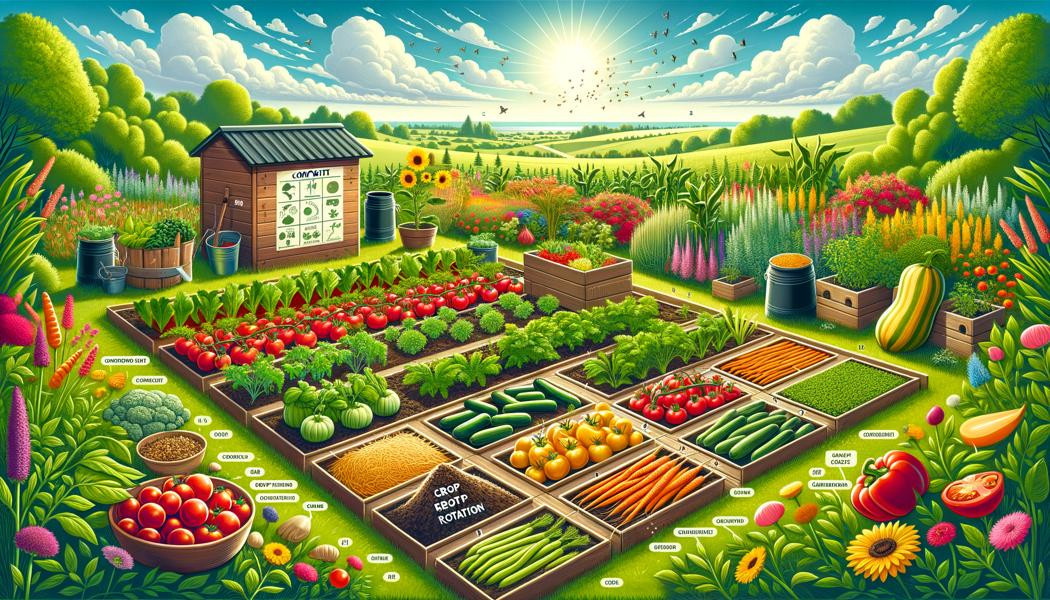
The concept of a sustainable vegetable garden is at the heart of today’s environmental concerns. With the evolution of agricultural techniques and growing awareness of ecological issues, gardeners are looking to maximize their yields while respecting biodiversity and natural cycles. This article will cover the fundamentals of a sustainable vegetable garden, strategies to improve yields in 2025, and practical tips to address the challenges of modern agriculture. By incorporating environmentally friendly techniques, it is possible to create a productive and long-lasting gardening space.
Do you need help maintaining a sustainable vegetable garden? Quickly find a qualified service provider on Helplease and benefit from a customized service to suit all your needs. Discover local professionals near you!A sustainable vegetable garden is based on fundamental principles that promote environmentally respectful cultivation. The first foundation is choosing the right location. This involves considering sunlight, soil quality, and proximity to water sources. A well-chosen site will allow plants to thrive while minimizing the need for additional resources.
The second foundation is crop diversity. By varying cultivated species, you not only maximize your harvests but also increase resilience against disease and pests. A diverse approach also helps to restore soil health through beneficial interactions between different plants.
A third essential foundation is the use of respectful farming practices, such as permaculture or regenerative agriculture. These techniques, which encourage respect for the natural cycles of plants and the local ecosystem, contribute to a sustainable vegetable garden on both environmental and economic levels.
Finally, water resource management must be optimized. It is crucial to find suitable irrigation methods in order to avoid water waste while meeting the needs of the crops. Drip irrigation systems or rainwater collectors can be valuable solutions.
The basis of a sustainable vegetable garden also lies in rich, healthy soil. This involves using natural amendments such as compost and green manure, which improve soil structure and promote microbial biodiversity.
Opting for seeds adapted to the local climate and surrounding growing conditions is crucial. This enables plants to adapt better and require less maintenance, thus contributing to a more resilient vegetable garden.
Designing a vegetable garden plan is a crucial step in ensuring abundant harvests. Start by determining the space available and the types of crops you want to include. A thoughtful design takes into account the size of the plots as well as the light and water needs of each plant.
An essential aspect of the plan is the arrangement of crops. Techniques such as row planting, hydroponics, or permaculture can be applied, allowing for optimization of available space and encouragement of beneficial associations. The use of raised beds can also enhance drainage and make access easier.
Moreover, it is vital to set a planting calendar according to the seasons and the climatic conditions of your region. This will help organize sowing, harvesting, and the necessary maintenance work in advance.
Finally, do not neglect the importance of ongoing tracking and adjustments. A gardening journal to record the progress of your crops, necessary observations, and suggested modifications will help to optimize your practices over time.
It may be useful to refer to rotation guides and plant compatibility charts to maximize yields and minimize pest intrusions.
Developing a clear schedule of actions to be taken ensures regular monitoring and avoids possible forgetfulness regarding sowing, harvesting, or crop care.
In a context where ecological concerns and the search for sustainability are paramount, it is advised to turn towards resilient crops. Among those to be favored in 2025, root vegetables such as carrots, beets, and radishes are particularly interesting, as they require little water and can be stored for long periods.
Legumes, such as peas and beans, are also essential. They enrich the soil with nitrogen and promote the health of the vegetable garden ecosystem. Additionally, they offer a valuable source of plant-based protein for a healthy diet.
Cover crops, such as clover or rye, are also worth considering. These plants benefit the soil by preventing erosion, maintaining moisture, and inhibiting weed proliferation.
Finally, it is crucial to include aromatic and medicinal plants in the vegetable garden, such as basil, mint, and chamomile. They attract pollinators, and their properties diversify crop use while improving the garden's environment.
Using seed varieties adapted to local conditions optimizes the chances of success, especially in an ever-changing climate.
Regenerative cropping systems are increasingly adapted to modern vegetable gardens. This includes varied rotations to maintain soil health by stimulating microorganisms and reducing the need for chemical inputs.
Crop rotation is a traditional gardening technique that helps maintain soil health while optimizing yields. By not cultivating the same plants in the same place year after year, risks of disease and pests are reduced, while allowing the soil to regenerate.
To successfully use this technique, it is essential to plan crops by group, taking into account their nutritional needs and life cycles. This encourages the rational use of soil resources and promotes its fertility.
It is also beneficial to combine rotation with cover crops, which protect the soil between harvests and prevent erosion. This alternating system ensures the health of the crops while providing a healthy living environment for soil organisms.
Tools such as rotation tables can greatly help gardeners plan their crops for several years, making it easier to manage space and resources effectively.
A clear crop rotation schedule allows gardeners to keep an overview and measure the effects of each crop on the soil and following crops.
Companion plants, which are beneficial when grown together, should be considered to maximize the effectiveness of rotation and encourage the vegetable garden’s biodiversity.
Composting is an essential technique to enrich the soil of a sustainable vegetable garden. Using organic waste, such as vegetable peelings or coffee grounds, creates a nutrient-rich compost. It is recommended to apply a balanced mix between nitrogenous materials, such as fresh waste, and carbon-based materials, such as dead leaves.
There are different composting methods, each with its own advantages. Heap composting is one of the simplest, while rotary composters speed up the process. Using vermicomposters is also an interesting option, as it quickly transforms waste into high-quality fertilizer thanks to decomposition by earthworms.
Composting requires special attention to aeration and moisture. It is important to mix the compost well and maintain appropriate moisture levels, as compost that is too dry or too wet can lead to unpleasant odors and slow decomposition.
Finally, regular harvesting is necessary to obtain mature compost, which is then used to feed crops, strengthening soil structure and promoting biodiversity.
To ensure quality compost, it is essential to balance the elements to promote efficient and rapid decomposition.
Regularly monitoring the state of the compost allows you to make any necessary adjustments and avoid fermentation problems.
Integrating biodiversity into a vegetable garden is essential to create a balanced ecosystem. When different species coexist, they help each other and contribute to the garden’s health. For example, some plants can repel pests, while others attract pollinators essential for flower pollination.
Diverse crops also better resist disease by avoiding large populations of the same plant. Moreover, a diverse vegetable garden can adapt more efficiently to changing climatic conditions, as some plants can better withstand extreme conditions than others.
At the same time, fostering biodiversity helps preserve local insects and animals, which play a crucial role in the garden’s functioning. This encourages a holistic gardening approach, where all ecosystem components work together for everyone’s benefit.
Finally, learning to grow local and varied plants enriches the garden while meeting the needs of the local environment.
Introducing diverse plants not only improves the overall health of the vegetable garden, but also enriches the surrounding lawns and gardens, providing a refuge for many insect and animal species.
Diverse root systems structure the soil in various ways, strengthening both fertility and drainage properties.
Several practices should be prioritized to maintain healthy and fertile soil. The first is to avoid excessive tilling, which can kill beneficial organisms and compact the soil. Light digging, when necessary, is recommended.
Regular addition of compost and natural amendments is also crucial. This helps replenish nutrients and promote soil structure. Furthermore, it is advisable to plant ground cover crops, like rye or clover, which protect the soil over winter and prevent erosion.
Water management is also essential. Rainwater harvesting systems can help optimize water resources while protecting the soil from drought.
Finally, it’s important to monitor the biological life of the soil and assess its composition. Observing the presence of earthworms and other organisms provides insight into soil health.
Organic mulch, such as straw or dead leaves, can help retain moisture, reduce erosion, and enrich the soil as it decomposes.
Encouraging a diversity of microorganisms through practices such as permaculture contributes to soil vitality and the stimulation of beneficial interactions.
To optimize your harvests, irrigation management is crucial. Using drip irrigation systems delivers water directly to plant roots, reducing water waste. This watering method also ensures that plants receive the necessary moisture without being subjected to excess water.
It is also essential to analyze the water needs of each cultivated plant, as requirements can vary among different crop types. Moisture sensors can be installed to monitor water levels and detect when intervention is necessary.
A rainwater collection system can also make watering more sustainable. By using rainwater for irrigation, you reduce your impact on potable water resources.
Finally, it is advisable to choose watering times that respect natural cycles, watering early in the morning or late in the evening to avoid excessive evaporation during the hottest hours of the day.
Adopting irrigation rotation methods helps balance the water needs of different parts of the vegetable garden.
Technological automatic irrigation devices can greatly facilitate water management, ensuring optimized crops without compromising sustainability.
Companion planting is a sustainable gardening practice that consists of growing different plant species together in the same space. This approach offers several benefits, including reducing pests and improving yields. For example, planting beans around corn can help the corn grow by providing needed nitrogen, while the beans benefit from the support of the corn stalks.
Moreover, companion planting allows for better space management by maximizing available use. It also diversifies the harvest, which benefits biodiversity.
Another benefit of companion planting is creating microclimates. For instance, taller plants can provide shade to species sensitive to sunlight, creating a more balanced and efficient growing environment.
This system also increases resilience. By diversifying crops, gardeners reduce the risks associated with possible crop loss due to disease targeting a single species.
Companion planting decreases the need for chemical inputs, as cooperation between plants helps prevent disease and attracts pollinating and predatory insects.
A sustainable vegetable garden becomes an ecosystem where each plant plays an important role in the balance and health of the whole, fostering a harmonious growing environment.
Pest management is an unavoidable aspect of a sustainable vegetable garden. To prevent the appearance of these unwanted guests, it is essential to cultivate diversity, as this helps build a balanced ecosystem where beneficial species can thrive and control their population.
Using integrated pest management methods helps minimize intrusions. For example, planting flowers that attract natural pest predators can help reduce their presence. Using natural insecticides such as black soap or neem extracts also controls infestations without harming the environment.
Sticky traps or physical barriers, such as insect nets, are other effective strategies for keeping pests at bay. By regularly observing the crops, it will be easier to identify problems early and act preventively.
Finally, crop rotation helps break pest and disease life cycles by depriving them of the means to thrive in a familiar setting.
Installing insect hotels or birdhouses attracts natural predators and helps balance the ecosystem naturally.
Monocultures increase the risk of pest infestations. Diversity simplifies pest management and limits their spread due to the different defenses of each plant.
The vegetable gardening field is evolving rapidly, and several trends are emerging for 2025. One of the most notable is the integration of digital technologies, such as smart gardening apps that monitor plant humidity, temperature, and nutritional needs.
Another trend concerns the use of soilless techniques, like hydroponics and aeroponics, which aim to use less water and soil while maximizing yields.
Vertical gardens, which are gaining popularity in urban spaces, optimize space use and make gardening accessible to city dwellers. They also encourage the creation of microclimates beneficial to certain plants’ development.
There is a growing interest in heirloom seeds and endangered agricultural varieties, reflecting a desire to preserve biodiversity and opt for sustainable solutions. This strengthens local ecosystems and allows for diversified harvests.
Automated systems promote effortless gardening, saving time and ensuring proper crop development through regular and perfectly calibrated watering.
The principles of permaculture, which include observing natural ecosystems, are increasingly adopted in vegetable gardens, promoting long-term sustainability.
To evaluate the success of your sustainable vegetable garden, start by drawing up an inventory of your harvests. Record the quantities of each crop produced. This gives an accurate view of which varieties performed well and which need adjustment for the next season.
Furthermore, take time to analyze soil health. Conducting a soil test can provide information on present nutrients and those needing improvement. This will form the basis for your future fertilization strategy.
Gathering data on the management techniques applied and their effects will allow you to better understand what has worked and what can be improved. Gardening journals are especially useful for recording all this information.
Finally, assess your own level of satisfaction. Consider the pleasure and learning you experienced through gardening. The lessons learned and achievements should also be included in your review, to guide you in the years ahead.
A review of the companion plantings will give you a good idea of the effectiveness of these practices in improving yields and plant health.
Checking the environmental impact of your growing methods is essential to guarantee responsible and long-term sustainable gardening.
Whether you need quick help or want to offer your services, Helplease is your solution! Download the app to access qualified experts or find clients in one click, and simplify your daily life! Available on iOS and Android!