

Soothing animal anxiety is a growing concern for many pet owners. In 2025, it is essential to have the right tools and approaches to ensure our animals’ mental well-being and emotional balance. The causes of anxiety in animals can be multiple, ranging from stressful environments to changes in routine. In this article, we will explore practical advice and key information to better understand and manage animal anxiety, while presenting effective tools to improve the lives of our four-legged companions.
Need help soothing your pet’s anxiety? Find a qualified provider quickly on Helplease and enjoy a personalized service to meet all your needs. Discover professionals near you!Anxiety in animals can result from various causes, and it’s crucial to identify them to address the issue effectively. Among the main causes are environmental changes, such as moving house, the arrival of a new pet, or the prolonged absence of the owner. These changes can cause significant stress for the animal, impacting its behavior and overall well-being.
Trauma, such as past abuse or accidents, can also lead to persistent anxiety. Research shows that animals who have experienced negative events are more likely to develop phobias or abnormal behaviors. It’s therefore essential to create a secure environment to help these animals feel protected.
Genetics also plays a key role in predisposition to anxiety. Certain animal breeds are more prone to anxiety disorders due to their hereditary traits. For example, dogs of certain breeds, like the Chihuahua or the Border Collie, can show more pronounced anxiety. Choosing a pet should take these factors and the temperament of each species into account.
Lastly, a lack of physical stimulation and mental stimulation can also be a major cause of anxiety. Animals who do not get enough exercise or social interaction may develop destructive behaviors or display signs of anxiety. Providing animals with a balanced routine including games and walks can significantly reduce their stress.
It is fundamental to consider environmental factors that can influence animal anxiety. Loud noises, such as fireworks or construction, can trigger stress reactions. Creating a calm and secure space for the animal during such events is essential. Using soothing music or synthetic pheromones can help reduce anxiety in these situations.
Animals are often very attached to their daily routines. Changes such as a new schedule, introduction of a new family member, or moving house can cause considerable stress. It is advisable to introduce these changes gradually and maintain certain routine aspects to reassure the animal.
Professionals, looking for more clients? Register on Helplease today to offer your services and grow your business. Access a large client base in just a few clicks!Recognizing anxiety in an animal is an essential skill for owners. Manifestations may vary, but certain behaviors are generally indicative of stress or anxiety. Among the most frequent signals are excessive barking, whining, or unusual meowing. These behaviors can signal that the animal feels threatened or uncomfortable.
Other physical signs can also indicate anxiety. An animal may adopt a hunched posture, show signs of trembling, or breathe rapidly. Anxious animals may also tend to hide, run away, or avoid contact with humans and other animals. Observing their usual behavior can help detect such changes more quickly.
Anxiety can also manifest through destructive behaviors. An animal that chews furniture, scratches at doors or soils inside may be in distress. Analyzing the context in which these behaviors occur can provide clues about the animal’s sources of anxiety.
It’s important to monitor how often and how intensely these behaviors appear. If anxiety signals persist, it may be necessary to consult a veterinarian or an animal behaviorist for a more thorough assessment and tailored recommendations.
Physical manifestations are important indicators of the level of anxiety. Attention should be paid to the animal’s appetite and overall behavior. Loss of appetite or overeating can be alarming signs. Also, changes in sleeping habits, such as nocturnal hyperactivity or seeking out hiding spots, can reveal anxiety.
Regular observation of animals helps build an understanding of normal behaviors. Thus, any sudden change can be more easily detected and addressed. Noting stressful periods, potential triggers, and associated behaviors will contribute to a better evaluation of the animal’s emotional state. Building a trusting relationship with the animal also makes it easier to listen to the animal’s needs.
Many owners seek natural solutions to ease their animals’ anxiety. Among these remedies, some have proven particularly effective. Homeopathic remedies and plant extracts are often used, such as chamomile or valerian, known for their relaxing effects. These tools can be administered in capsule form, teas, or infusions mixed with food.
Products made from soothing pheromones, available as sprays, diffusers, or collars, can also help reduce stress in animals. These pheromones mimic those secreted by animals when they feel safe, which can provide a sense of well-being in stressful environments.
Aromatherapy can also play a positive role in managing animal anxiety. The use of certain essential oils, such as lavender or sweet orange, can help soothe animals. However, it is important to use them carefully and consult a veterinarian to avoid any potential toxicity.
Finally, nutritional supplements such as tryptophan or B-group vitamins can contribute to mood regulation in animals. These ingredients help improve animal well-being by providing necessary nutrients to manage stress.
Herbal medicine is an increasingly popular approach for treating animal anxiety. Plants such as passionflower or lemon balm are known for their calming effect. By discussing with a veterinarian, it is possible to create a specific plan that includes these remedies in the animal's daily routine. This can be a natural and safe solution to calm a stressed animal.
In addition to natural remedies, it’s essential to implement behavior modification techniques. For instance, teaching an animal relaxation exercises or impulse control can help it manage anxiety. Interactive play sessions that stimulate the animal mentally while offering a relaxing moment can also help reduce stress. These strategies, combined with natural solutions, promote better emotional balance for our companions.
If you are looking for an expert to meet your specific needs, visit Helplease and discover the available providers near you. Make your life easier and find the right professional!Owners’ behavior has a considerable impact on animal anxiety. The way an owner interacts with their animal can either aggravate or ease anxiety. A stressed owner may unconsciously transmit their stress to their pet through body language or reactions. It’s therefore essential to maintain a calm atmosphere at home and adopt a positive attitude.
Managing expectations and rewards is just as important. Owners who express frustration due to undesirable behaviors risk increasing their animal’s stress. By contrast, positive training methods based on rewards and encouragement allow owners to create an environment where the animal feels safe and loved.
Routines established by owners also play a major role in animal behavior. A clear routine and predictability in the animal’s daily life can not only reduce its anxiety but also strengthen trust. By keeping a steady routine, owners help their animals feel safer, thus lessening anxious behaviors.
It is also wise to practice calm moments with the animal, such as meditation or breathing exercises. These shared relaxation times help strengthen the bond between owner and animal while fostering a calm atmosphere. By incorporating these practices into daily life, owners can ensure their animal’s emotional needs are met.
Just like humans, animals need to feel understood. Establishing effective communication with an animal involves not just words but also body signals. Taking time to observe and interpret your animal’s body language is fundamental; this way, owners can adjust their behavior appropriately. This not only reduces animal anxiety but also promotes a harmonious environment.
It is crucial for owners to adjust their expectations based on their animal’s abilities. Patience and empathy are essential virtues to foster a trusting climate. Every animal is unique and advances at its own pace. Offering encouragement and being flexible in expectations helps foster a positive atmosphere, thus reducing the animal’s anxiety.
The environment in which an animal lives has a major influence on its well-being. A safe and welcoming environment helps reduce animal anxiety. This includes not only the physical space but also the mental stimulation and social interaction the animal receives. A messy, noisy, or crowded environment can create additional stress, amplifying anxious behaviors. So, it is recommended to create a dedicated space where the animal can withdraw whenever needed.
Environmental stimulation also plays a key role. Providing interactive toys, exploration activities, and daily playtime can help distract from anxiety. In addition, allowing for socialization with other animals or humans can promote the animal’s overall well-being.
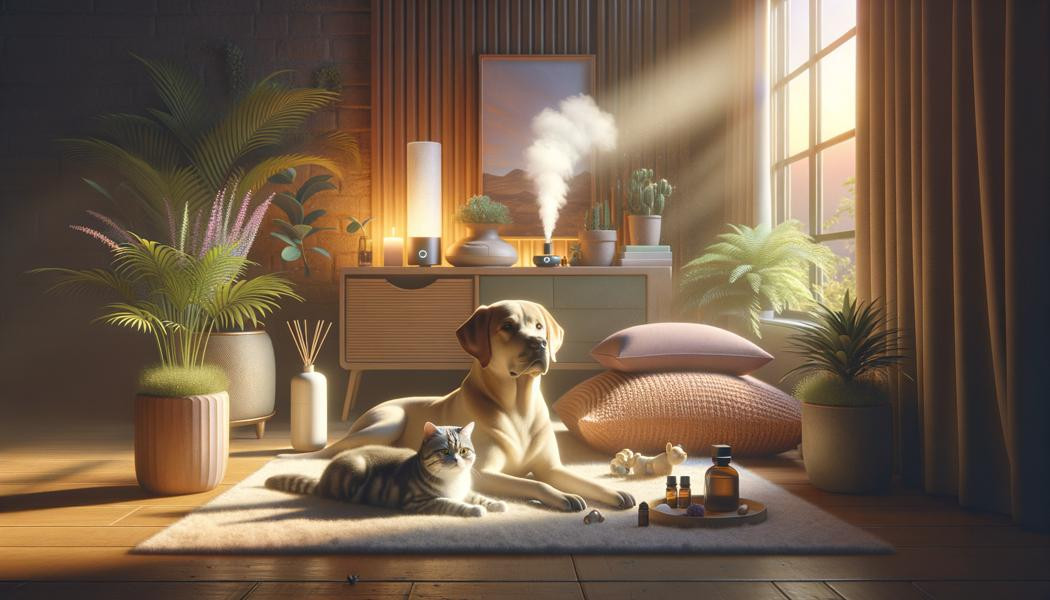
The use of natural elements, such as soothing plants, essential oil diffusers, or nature sounds can transform the environment into a haven of peace for the animal. Thoughtful space organization can greatly reduce stress by creating a calming atmosphere.
Finally, regular walks in varied environments, such as parks or in nature, allow animals to discover new elements, reducing daily monotony and promoting a fulfilling life. This kind of exploration is essential for the behavioral and emotional development of animals.
The concept of security is essential for an anxious animal. Setting up a space where the animal can flourish without being disturbed contributes to its happiness and peace of mind. This could include a cozy spot in the home with favorite toys, cushions, and a blanket. With this refuge, the animal will feel safe and less anxious when faced with external stimuli.
Stimulation is essential to prevent and reduce anxiety. Animals receiving a combination of stimulating physical exercise and mental games are generally more balanced and less prone to anxiety. This can include interactive games, food puzzles, or agility courses. Offering a variety of activities helps build their confidence and prevents boredom.
If you want to help your animal feel better, don't wait! Consult qualified specialists on Helplease to find solutions tailored to their needs.Veterinary treatments for animal anxiety have evolved in recent years. Veterinarians may prescribe anxiolytic medications to relieve anxiety symptoms, including antidepressants and low-dose sedatives. These medicinal options are often used alongside behavioral therapies. It’s essential to consult a veterinarian to determine the most appropriate treatment.
Behavioral therapy, such as desensitization and counter-conditioning, are also effective tools. These methods aim to change animals’ responses to stressful stimuli, helping them build more positive associations. These treatments, in conjunction with personalized recommendations, offer a holistic approach to animal well-being.
It’s crucial to follow a veterinarian’s advice to monitor the effects of medications and adjust dosages if necessary. This supervision is essential to ensure treatment effectiveness while minimizing possible side effects. Each animal is unique, so treatment must be adapted to its condition and specific needs.
Finally, regular consultations and follow-up with a veterinarian can help explore other alternative approaches, such as complementary veterinary medicine, including acupuncture or physiotherapy, which may complement an overall care plan. This follow-up is what ensures the best possible well-being for the animal.
Medications initiated for animal anxiety can vary considerably. Pheromone-based solutions such as Feliway for cats or Adaptil for dogs can also be interesting options. Owners must follow dosage recommendations and observe the animal for any behavioral changes. These medications generally work better when combined with other forms of treatment.
Behavioral therapies can include methods based on conditioning, such as using treats to encourage positive behavior. These methods teach the animal to relax when faced with stressful situations, gradually building confidence. Owners are encouraged to work closely with canine trainers or veterinarians specialized in behavior to develop effective strategies.
Establishing a stable daily routine is essential to reduce anxiety in animals. The predictability of meals, walks, and playtime reassures animals, allowing them to feel safe and protected. This lowers their stress while giving them a healthy living framework.
Planning moments of regular exercise is also essential. Daily walks and interactive games are not only beneficial for the animal’s physical health but also help release pent-up energy, which could otherwise manifest as anxiety. An active routine fosters psychological calm.
Integrating moments of calm and rest during the day also helps reduce stress. Scheduled relaxation periods where the animal can withdraw to a quiet space help it recharge. This reinforces the sense of security and predictability.
Observing and adapting the routine to each animal’s specific needs promotes overall well-being. Owners should be attentive to their animal’s mood and adjust the routine accordingly; this may involve changes during sensitive periods or changes in environment.
A regular routine helps animals feel safe. It is repetition that lets them become familiar with their environment and develop a soothing daily life. Owners must keep in mind that a sudden change in a well-established routine may lead to anxiety episodes, highlighting the importance of consistency in the animal’s living environment.
In addition to activity, including calm moments in the routine creates a balance between stimulation and relaxation. These periods give the animal the chance to decompress and rest. Gentle games or cuddle sessions are also effective means of interaction, strengthening the owner-pet bond while fostering a calm environment.
Whether you need quick help or want to offer your services, Helplease is your solution! Download the app to access qualified experts or find customers in one click, and simplify your day! Available on iOS and Android!Nutrition plays a significant role in managing animal anxiety. Certain foods may have calming effects or are enriched with specific nutrients that support calm behavior. For example, foods containing omega-3 fatty acids, such as those from fish or some seeds, can help reduce stress.
Nutritional supplements containing extracts from calming plants like chamomile or passionflower are also available on the market. These products are specifically formulated to soothe animals during periods of stress. However, always consult a veterinarian before introducing new foods or supplements into your animal’s diet.
Additionally, making treats from natural ingredients such as chicken or fish can increase their enjoyment of eating while providing beneficial nutrients. It is vital that foods be of good quality, free from dyes and chemicals, to guarantee your animal’s health and well-being.
Finally, hydration is crucial! Good hydration contributes not only to physical health but also to better emotional well-being. Ensure your animal always has access to fresh water. Dehydration can amplify signs of anxiety in some animals; by supplementing their diet with moist foods, you promote their overall well-being.
Foods such as brown rice, carrots, or zucchini can also be beneficial because they are rich in fiber and help stabilize blood sugar levels, thus helping to reduce anxiety. Using food puzzles or enriched food can help balance energy levels while reducing food-related stress.
Incorporating rituals at mealtimes can also help reduce anxiety. Taking the time to feed your animal regularly and serving meals in a calm space can signal a moment of safety and relaxation to the animal. This encourages a zen approach to mealtime, reinforcing their tranquility.
Play therapy is an effective way to reduce anxiety in animals while strengthening the bond between animal and owner. This kind of therapy allows the animal to express itself playfully, while lowering built-up stress. With suitable games, the animal can release energy and generate calming hormones.
Interactive games involving the owner are excellent opportunities to strengthen bonds while getting exercise. Chase games, hide-and-seek, or even puzzle games like treat finding mentally stimulate the animal and lead to less pronounced emotional distress.
It’s essential to choose games appropriate for the animal’s age and physical condition. Games that are too intense may increase stress rather than relieve it. Also, offering a variety of activities helps keep the animal interested and prevents boredom.
Furthermore, integrating interactive toys that foster independent play also allows the animal to distract itself when alone. These toys can help develop skills and reduce anxiety related to isolation.
Interactions with other animals during play can strengthen social skills and encourage balanced behavior. Group encounters and play with other animals help boost the animal’s self-confidence. This allows it to learn emotional regulation through social situations and reduces anxiety about meeting other dogs or cats.
Establishing a daily play routine allows the animal to look forward to these fun moments, reducing its anxiety. By integrating play into daily life, owners form a positive connection with their animal, helping it associate playtime with safety and well-being. This strengthens the trustful environment every animal needs to feel comfortable.
Relaxation techniques for animals are on the rise and provide effective alternatives to help manage anxiety. Among these techniques is massage, which can be beneficial for soothing a stressed animal. Gentle massages encourage the release of endorphins, thus reducing stress and improving blood circulation.
Breathing exercises, similar to those practiced by humans, can also be adapted for animals. Teaching your pet a calm breathing rhythm or encouraging relaxation at anxious moments can help reduce adrenaline levels and promote a state of calm.
Meditation is another relaxation technique that can be incorporated into the animal's routine. Calm sessions with soft music and a peaceful atmosphere can help calm an anxious animal. Involving the animal in these calm moments strengthens the owner-animal connection and builds trust.
Finally, animal yoga is offered by some specialists and can also help calm an anxious animal. Simple movements and gentle postures allow animals to relax while improving flexibility and overall well-being. It is essential to ensure that these techniques are practiced with care and with the specific needs of each animal in mind.
Massages can also be associated with essential oils suitable for animals, but it is imperative to ensure that they are safe for the species concerned. Lavender oil, for example, can be soothing for many animals but should be used with caution. Far from being a miracle solution, such massages should be included in a holistic animal well-being approach to ensure positive effects.
Encouraging the animal to focus on its breathing can also help, especially in stressful situations. Providing calm cuddling moments, where you help the animal to relax through gentle strokes, has a beneficial effect on its mood. Practicing this technique requires commitment and intentional presence from the owner, which fosters an atmosphere of serenity.
Evaluating the effectiveness of tools used against animal anxiety requires attentive observation of the animal. Noting changes in behavior, reactions to anxiety-provoking situations, and the overall evolution of mood are key indicators. It is recommended to keep a journal recording the animal’s behavior to determine what tools are most effective.
It is also useful to have regular follow-up sessions with a veterinarian to discuss progress and adjust treatment if needed. Veterinarians may suggest new approaches or recommend adjustments to the tools used, making sure that the chosen methods meet the animal’s individual needs.
Finally, patience is beneficial. Animal anxiety does not resolve overnight and may require adjustments over time. It is therefore essential to be attentive and responsible for your animal’s mental health, adapting tools and methods as you observe their effects.
In fact, monitoring the effects of each option and choosing a personalized approach are key to long-term success in managing your animal’s anxiety.
It is fundamental to focus your efforts on long-term improvements rather than immediate changes, which may take time to appear. Owners should be attentive to each small progress and celebrate it, as this boosts the animal’s morale and increases owners’ confidence in the process.
Implementing regular check-ins by discussing with other professionals and comparing techniques can bring in new ideas. Seeking advice from a veterinarian or animal trainer encourages necessary adjustments to adapt to your animal’s development and changing needs.
Travel can be a major source of anxiety for many animals. It is crucial to prepare your pet for such situations. Before a trip, get the animal used to the carrier or the environment where they will be traveling. Gradual introduction to new places will allow the animal to associate these experiences with positive moments.
It can also be helpful to bring familiar objects, such as their blanket or favorite toy. These items can serve as soothing reference points when the animal is in an unfamiliar environment. Creating a familiar atmosphere helps reduce apprehension about new places.
During travel, maintaining a calm and reassuring voice increases your animal’s comfort. Avoid sudden movements or displaying stress, as animals are very sensitive to their owners’ emotions. With a calm approach, you help your companion to manage their anxiety.
During stressful events such as vet visits or gatherings, plan regular breaks. Allowing the animal to stretch their legs can help them remain calm. Make sure to give them enough time to adjust and provide a retreat if necessary.
Before any trip, plan an itinerary to avoid high-traffic areas, as this can cause extra stress for the animal. By considering your animal’s specific needs, such as break frequency or dietary requirements, you increase the chances of a positive experience.
The aim is always to welcome the animal with calm and patience. Rest periods and creating a calm atmosphere support animal well-being. Events like parties or family gatherings should be approached cautiously, as they can be overwhelming for anxious animals. Providing retreat spaces helps each animal feel comfortable during these situations.