

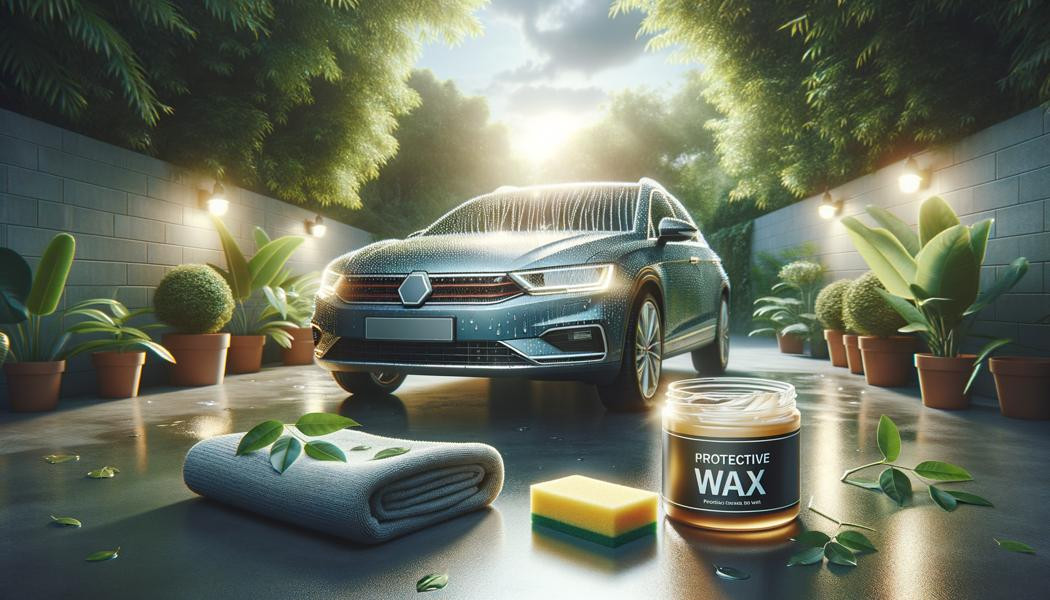
In a world where the appearance of your vehicle can say a lot about you, it is essential to invest in the right protection for your bodywork. Protective wax is much more than a simple maintenance product; it is essential for ensuring your vehicle's shine and durability. In this article, we will explore why using protective wax is crucial, its many benefits for the bodywork, as well as the different steps to apply it effectively. In addition, we will see how to choose the right wax, how often to apply it, and even what mistakes to avoid for optimal results. Together, let’s discover how protective wax can become your ally for lasting shine.
Need help with exterior cleaning for your vehicle? Quickly find a qualified provider on Helplease and benefit from tailor-made service to meet all your needs. Discover professionals near you!Using protective wax for your vehicle is essential for maintaining its appearance and extending its lifespan. Wax acts as a barrier between the car's paint and external agents that could damage it. Whether it's the sun's UV rays, pollution, bird droppings, or harsh weather, wax helps minimize the harmful effects of these factors. In addition, wax provides protection against micro-scratches that can occur during washing or from debris on the road. By allowing water to bead off the surface, it also helps reduce dirt buildup, making your cleaning sessions much easier and more effective. By opting for protective wax, you preserve the value of your vehicle. Well-maintained cars retain their value longer, which is a key factor when selling. A shiny bodywork in good condition attracts potential buyers and justifies a higher price. Finally, protective wax also enhances the appearance of your vehicle, giving it an eye-catching shine. Whether you’re on your way to work or on a family weekend, a lustrous bodywork enhances your image and highlights your attention to detail.
Chemical products present in the environment, especially acid rain and atmospheric pollutants, can cause considerable damage to your vehicle's paint. By applying protective wax, you act as a shield, preventing these substances from penetrating the paint and causing stains or oxidation.
With a layer of wax, washing your car becomes much easier. Wax reduces the adherence of dirt and contaminants to the surface, making their removal simple. This means your vehicle can be cleaned more effectively, allowing you to spend less time on maintenance.
Professionals, looking for more clients? Register on Helplease today to offer your services and grow your business. Access a large customer base in just a few clicks!The benefits of protective wax for your vehicle's bodywork are numerous. Firstly, it serves as an effective barrier against UV rays, which can cause paint to fade over time. This means that if you regularly apply wax, your car will keep its shine longer. Secondly, a quality wax can improve your vehicle's hydrophobicity, allowing water to glide off the surface without leaving water spots. This helps reduce the development of water marks and makes subsequent washes easier. Another notable benefit is the shine it gives to the bodywork. Good wax gives your car a deep shine and a like-new appearance. This is particularly important for those who like their vehicle to always look presentable and who spend a lot of time on the road. Finally, regular application of wax helps extend the lifespan of the paint. By preventing rust and oxidation thanks to its protection, wax keeps paint in good condition for many years, which can also extend your car’s overall lifespan.
Ultraviolet rays from the sun are among the main culprits for automotive paint fading. By applying a protective wax that blocks these rays, you minimize harmful effects. This allows the paint to retain its original color for a longer period.
The buildup of contaminants such as dirt, sap, and other particles can cause long-term damage to the paint. A layer of wax acts as a protective barrier, keeping these contaminants from penetrating the paint and affecting its integrity.
Choosing the best protective wax for your car requires considering several key criteria. First, the type of wax you want: natural or synthetic. Natural wax is often more environmentally friendly and can offer a deeper shine, while synthetic wax tends to last longer and offers better protection from the elements. Then, it is essential to pay attention to how easy it is to apply. Some waxes come in spray form, while others need to be manually applied with a pad. Choose a formula that matches your preference and fits your maintenance style. It's also wise to consult reviews and testimonials from other users before making your choice. Feedback from those who have already tried the wax can provide valuable insights into the product’s effectiveness and longevity. Finally, consider the price according to your budget. While some high-end waxes may seem expensive, remember that the initial investment can lead to long-term savings thanks to fewer repairs and reduced maintenance.
Natural waxes, made from products like carnauba, offer beautiful depth of shine but may need more frequent applications. Synthetic waxes, on the other hand, use polymers that last longer and are often easier to apply.
Some waxes are easy to apply and require no additional equipment, while others may require a certain skill level or time to apply correctly. Read the instructions and check if you're comfortable with the process.
If you’re looking for an expert to answer your specific needs, visit Helplease and discover the available providers near you. Make life easier and find the right professional!Properly applying protective wax requires preparation and a certain know-how. The first step is to thoroughly clean your car. This includes washing with water and soap to remove all visible dirt, followed by a microfiber sponge for hard-to-reach areas. Once the car is clean and dry, check that there are no residues left from cleaning. You can then proceed to apply the wax. Use a foam applicator pad to evenly spread the wax on the car’s bodywork. Work in sections to avoid the wax drying before being polished. After application, let the wax dry as stated on the product label. Then, use a soft microfiber cloth to polish the surface, working in circular motions for the best shine. Finally, check that the entire vehicle is properly polished and free of residue. It's also recommended to apply wax in the shade to avoid heat that could affect the wax’s quality. Take your time with every step and you will achieve the best possible result.
Before applying wax, it is essential to prepare the surface by washing and degreasing your vehicle. Any leftover dirt could cause scratches while applying the wax.
For an even application, it is best to use an applicator pad. After applying the wax, gentle polishing with a microfiber cloth will enhance the shine and leave a protective layer.
The frequency of wax application largely depends on weather conditions and your vehicle use. In general, it is recommended to wax your car every three to six months. This keeps continuous protection against the elements. If you live in regions with frequent bad weather or your vehicle is exposed to strong sunlight, you might consider applying wax more often. In addition, regularly checking the wax’s condition is wise. If the shine seems diminished or water no longer beads off, that’s a sign it might be time for a new layer. In any case, regular cleaning of the bodywork can extend your wax’s effectiveness. This helps maintain the shine and protection it provides.
Climate conditions and your vehicle’s daily use play a major role. Exposure to harsh weather conditions or parking outdoors may require more frequent application.
It is essential to check the condition of the wax after several weeks or months. A simple beading test can help determine if a new application is needed.
There are several types of protective waxes on the market, each offering different features. Natural waxes, often based on Carnauba, are known for their shiny finish and enhancing the paintwork’s beauty. However, their durability is usually lower than synthetic waxes. Synthetic waxes, made with polymers, provide longer-lasting protection and resist bad weather better. These waxes are also generally easier to apply and remove. Another category is spray waxes, ideal for quick and easy maintenance between full wax applications. There are also hybrid waxes that combine the advantages of both types to provide excellent shine while ensuring long-lasting protection. Assessing your vehicle’s specific needs and exposure conditions will help you choose the most suitable wax.
Natural waxes offer unparalleled shine and luster, while synthetic waxes provide solid, long-lasting protection, making the choice dependent on the user’s preferences for appearance versus effectiveness.
Spray waxes are convenient for quick maintenance, but may require frequent reapplication depending on your vehicle usage, offering a flexible option for those wanting instant results.
Protective wax plays a crucial role in protecting body surfaces against various external elements, including pollution, salt, weather, and even UV rays. By forming a protective layer, it prevents these elements from sticking directly to the paint. Waxes act as barriers that repel moisture and dirt, thus reducing the adherence of contaminants. Moreover, aggressive chemicals such as those present in acid rain or tree sap do not reach the paint, reducing their damaging potential. Wax also provides protection against more physical elements, such as small scratches and minor impacts. By evenly distributing the impact, it reduces the risk of long-term damage. In short, it extends the lifespan of the paint while keeping your vehicle looking good.
Wax prevents oxidation and fading caused by UV rays, as well as blocking pollution particles that could harm your vehicle's surface.
By creating this protective barrier, wax also helps to lessen the impact of small abrasions, thus ensuring your paint remains intact and shiny for a longer period.
The main difference between natural wax and synthetic wax lies in their composition and properties. Natural waxes, often made with Carnauba, are renowned for their deep shine and the warmth they bring to paint. They are often favored by car enthusiasts for their incomparable visual effect. On the other hand, synthetic waxes are formulated from polymers that provide greater durability and resistance to the elements. They tend to last longer between applications and are less likely to break down under harsh weather conditions. In terms of cost, natural waxes are often more expensive due to their high-quality ingredients, while synthetic waxes can offer better value for money in the long term. The choice between the two largely depends on your specific needs: appearance or longevity.
Opting for natural wax guarantees a beautiful depth of color and unmatched shine, but it requires more frequent applications to maintain this appearance.
With synthetic wax, you get durable protection that stands up well to the climate, although the shine is sometimes slightly less than with natural waxes.
When applying protective wax, there are several common mistakes to avoid to ensure optimal results. Firstly, it is important not to apply wax to a dirty or wet surface. This can trap dust and dirt particles under the wax, which can cause scratches. Not respecting the drying times recommended by the manufacturer can also lead to unsatisfactory results. Too often, people are impatient and polish the wax before it is completely dry, which can cause streaks or an uneven shine. Another mistake is applying too much wax. A small amount is generally sufficient; excessive application can make the surface sticky and hard to polish. Moreover, working in unsuitable weather, like direct, intense sun, can also harm the proper application of wax. Lastly, failing to check for residue on the edges of surfaces can create a sloppy finish. Take the time to carefully check your work to avoid this.
Make sure to wash and dry your car properly before applying wax to avoid trapping dirt.
Follow the instructions regarding drying time and application method to avoid compromising the effectiveness of the wax.
Cleaning the bodywork before applying wax is a crucial step to ensure a good outcome. Start by rinsing the vehicle with water to remove all visible dust and dirt. Next, use a quality car soap and a soft sponge to remove impurities. Avoid household products, as they can damage the paint. Once the car is clean, a deep clean with a degreaser may be necessary to remove grease or tough contaminants. Also, consider using decontaminating shampoos if your car is exposed to high pollution. After washing, rinse thoroughly several times to make sure no product residue remains. Then, dry the bodywork with a microfiber towel to avoid scratches and water marks. Once dry, check that the surface is smooth to the touch and ready for wax application.
Use a gentle car soap and a sponge to clean, followed by a thorough rinse to remove all soap residue.
Ensure that the vehicle is completely dry and that there are no traces of moisture before applying wax, to avoid trapping water or dirt beneath it.
To optimize your protective wax’s effectiveness, several complementary products are available on the market. A good decontaminating cleaner is essential to prepare the surface before applying wax. These products help remove contaminants and prepare the bodywork for wax. Next, polishes can be used to restore the paint's shine before applying wax. Using a polish can remove micro-scratches and leave a brilliant finish. Interior cleaning products and protectors for plastics or vinyl are also recommended for complete maintenance. These help keep your vehicle's interior in perfect condition, which complements the carefully maintained exterior. Finally, maintenance sprays or spray waxes can provide quick and effective protection between full wax applications, ensuring your car always looks its best.
Use these products to remove contaminants that can't be eliminated by standard washing, ensuring a smooth surface ready for wax.
These products help perfect the shine of the paint while making daily maintenance easier, thus prolonging the protective effects of wax.
User testimonials about the effectiveness of protective wax vary greatly, but many highlight positive results. Numerous car owners report an improved appearance after applying wax, noting increased shine and better overall luster. Some users also mention that regular wax application has not only enhanced their car’s looks, but also prolonged the condition of the paint, reducing the effects of environmental damage. Feedback about reduced dirt and easier cleaning is also common. Furthermore, auto detailing professionals often praise synthetic waxes for their superior durability, which is an advantage for those seeking long-term protection with minimal effort. Finally, several users note that investing in wax is a key step in maintaining their vehicle’s resale value, making it a wise investment.
Drivers’ feedback often shows high satisfaction with the lasting shine maintained by wax and its ease of application.
Experts agree that regularly using protective wax is a must for keeping bodywork in excellent shape, while attesting to its durability against natural aggressors.
In summary, protective wax is an indispensable ally for anyone wishing to preserve the shine and integrity of their vehicle. Whether you care about your car’s great appearance or want to raise its resale value, investing in quality wax is essential. By following the right application methods and choosing suitable products, you can effectively protect your vehicle from external elements and enjoy its beauty for years. Remember, regular maintenance of your vehicle's bodywork guarantees long-term durability and daily satisfaction.
Whether you need quick help or want to offer your services, Helplease is your solution! Download the app to access qualified experts or find clients in one click, and simplify your everyday life! Available on iOS and Android!