

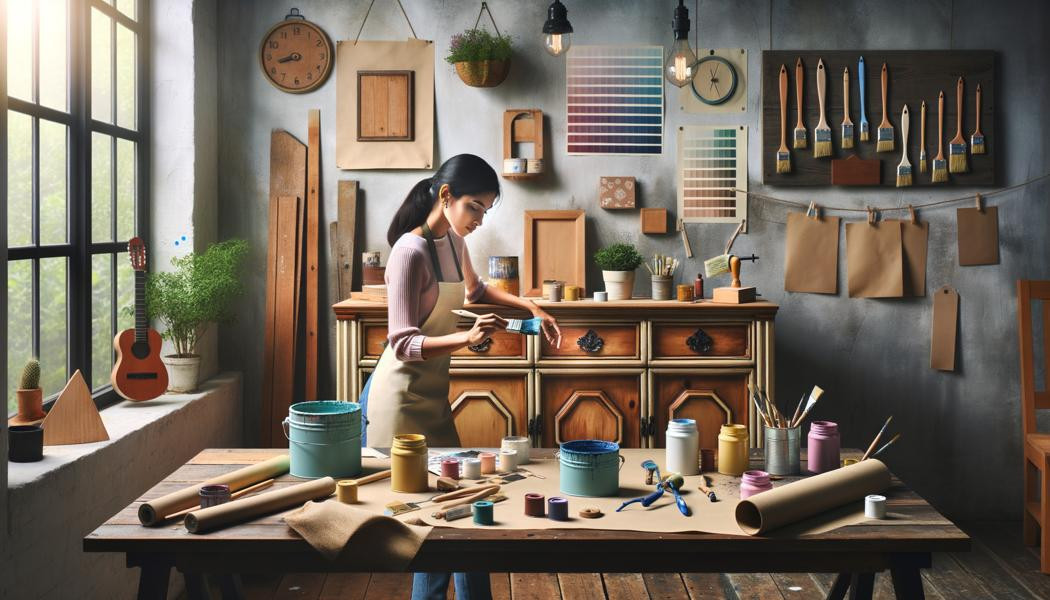
Painting a piece of furniture might seem like a simple task, but many common mistakes can arise during this project. In 2025, it is essential to know these mistakes to achieve a professional result. This article will focus on mistakes to avoid, the importance of preparation, the types of suitable paint, and the best practices to paint your furniture successfully. We will also review how to choose the perfect color and respect drying times. Thanks to these tips, you can transform your furniture while avoiding frequent pitfalls.
Do you need help painting a piece of furniture? Quickly find a qualified provider on Helplease and benefit from a tailor-made service to meet all your needs. Discover professionals near you!Painting a piece of furniture may seem simple, but many mistakes can compromise the result. One of the most frequent mistakes is neglecting the preparation of the surface to be painted. A dirty or poorly cleaned piece of furniture can lead to poor paint adhesion. Another common mistake is using the wrong type of paint that isn't appropriate for the furniture material, which can lead to chipping or discoloration. Furthermore, skipping the step of applying a primer can also harm the final outcome.
Too much paint can also cause drips, a common issue many people encounter. Often, users apply too much product in a single layer, which does not allow for proper drying. Inappropriate tools such as low-quality brushes or unsuitable rollers can also ruin the appearance of the paint. Finally, not respecting the drying times can lead to visible imperfections.
Application errors and choosing an unsuitable environment, such as a room that is too humid or hot, can also affect the result. In summary, knowing these common mistakes is essential to succeed in painting a piece of furniture without a hitch.
To avoid mistakes, it is crucial to start with meticulous preparation. This includes thoroughly cleaning the furniture and checking the condition of the surface. Each point should be carefully inspected to ensure that the paint will adhere properly.
Using specific products for your furniture’s material is essential. For example, water-based paints for wood surfaces and synthetic paints for melamine furniture.
Professionals, looking for more clients? Sign up on Helplease today to offer your services and grow your business. Access a vast client base in just a few clicks!Preparation of a piece of furniture before painting is a crucial step that should not be neglected. Proper cleaning removes all impurities, such as dust, grease, and paint residues, which could affect the adhesion of a new coat of paint. By cleaning the furniture, you enable the paint to stick firmly, which ensures a smooth and durable finish.
Moreover, if the surface has imperfections, it is essential to address them before beginning. This may include sanding to smooth bumps or scratches, as well as applying a primer for a uniform effect. Good preparation also ensures that the color is even and consistent, avoiding patchy zones in the application.
Skipping this step can waste time and money due to disappointing finishes requiring multiple touch-ups. Investing time in preparation will ultimately optimize your efforts and guarantee a pleasing final result.
Cleaning does not just mean a quick wipe. It may be necessary to use specific products suitable for the material, like degreasers for very dirty surfaces.
A primer is an essential product that helps the paint adhere better while improving the durability of the final finish.
The choice of paint is crucial in the process of painting furniture. In 2025, the options have diversified, but it’s important to ensure you choose the right type. Water-based paints, like acrylics, are popular due to their low odor and ease of cleaning. They are also easy to apply and dry quickly, which can speed up the project.
Oil-based paints, though somewhat less common, offer a durable and resistant finish, making them ideal for furniture that undergoes intense daily use. However, they may have a strong smell and take longer to dry, so ventilating the workspace is essential.
Spray paint is also an option to achieve smooth, even finishes on wood surfaces. This is an effective method used by many amateurs and professionals. However, care must be taken to protect other surfaces, as this can cause splatter.
The main difference between these two types of paint lies in the durability of the finish, with oil-based paints being more resistant for heavily used furniture.
Using spray paint requires careful preparation but can deliver unbeatable results.
If you’re looking for an expert to meet your specific needs, visit Helplease and discover available providers near you. Make your life easier and find the right professional!Choosing the right tools is just as important as selecting the right paint. For painting furniture, it is crucial to use quality brushes suited to the furniture’s size and shape. Finer brushes are ideal for details, while rollers can quickly cover larger surfaces.
It’s also recommended to use a paint tray to facilitate application and minimize product waste. Remember, the choice of tools can directly influence the finish you achieve. A good-quality roller can provide a smooth finish without leaving marks.
Finally, don’t forget personal protective equipment, such as gloves, a mask, and if needed, safety goggles. This not only guarantees your safety but also makes your work more comfortable.
Good-quality brushes can deliver a flawless finish, with fewer bristles lost during application.
Rollers can speed up the painting process on flat surfaces, while the tray allows you to work more efficiently without wasting paint.
Having good painting technique is essential for achieving a professional result. First, it’s better to apply several thin coats rather than one thick coat. This allows for even drying and reduces the risk of drips.
The movement of your hand is also key to a flawless finish. Going in a consistent direction creates a smooth surface. Additionally, when painting edges and details, use a fine brush for this delicate task.
Moreover, sanding between coats results in a perfectly smooth surface by eliminating imperfections that may appear during drying. This also ensures better adhesion of the next coat.
Thin coats dry faster and allow you to rework areas without damaging what’s already applied.
Sanding between coats helps create a smooth, even surface before applying the next coat.
To avoid drips and imperfections when painting furniture, the first rule is to apply paint evenly and in a controlled manner. Using a well-loaded, but not overloaded, brush or roller can prevent excess paint that causes drips.
Additionally, working in an environment with appropriate temperature and low humidity can play a huge role in your project's success. Avoid painting on excessively humid or cold days, as this can affect drying time and the finish.
Lastly, don’t rush the painting steps, such as respecting drying times and avoiding touching the piece while it dries; this can really save your project from disaster.
Working in the right climate conditions is essential for achieving a good result.
Testing on scrap material or hidden spots can give you a clear idea of the application before starting on the main project.
Choosing the perfect color for a piece of furniture can truly change a space's appearance. A good start is to consider the existing color palette in the room. Make sure the new color harmonizes with the other decor elements.
It can also be useful to use paint samples to see how the color appears under different lighting in your home. Sometimes, what seems perfect in-store looks different at home.
Additionally, think about the emotions and ambiance you wish to create. Lighter colors, like pastels, can make a room feel larger and more airy, while darker colors can add a touch of sophistication.
Considering the colors of the surrounding walls and furniture will help you achieve harmony in your choice.
Testing the paint color on a small part of the furniture can give you a better idea before committing.
Drying time is crucial for the durability and quality of the paint finish. Ignoring this step often leads to noticeable flaws, such as drips or chipping due to coats being applied too closely together. By respecting the drying times, you allow each layer to settle and adhere properly.
Moreover, letting the paint dry completely before applying the next coat reduces the risk of surface imperfections. This also guarantees a uniform and smooth finish, ensuring the piece has the intended appearance.
Paint manufacturers often provide specific instructions about these drying times; it is important to follow them to prevent potential future issues.
Coats that don’t dry properly may cause visible flaws in the final finish.
Following the recommendations given by the manufacturer is essential for optimal results.
Preparing wood surfaces is essential to ensure perfect adhesion and a flawless finish. Start with a thorough cleaning to remove rust, dirt, and other contaminants that could affect the final look. Next, use sandpaper to smooth the surface, which avoids imperfections during paint application.
It is important to fill any holes or cracks with a suitable filler, then finish sanding after it dries. This ensures a clean, professional result. Don't forget to apply a primer, especially if you are working on raw wood, to better seal the surface and improve paint adhesion.
Finally, for furniture already painted or varnished, it is important to sand all surfaces well to remove previous coats and ensure the new paint adheres correctly.
These are crucial steps for providing a solid base for paint.
Use a suitable filler to address flaws and ensure a perfect surface before painting.
Melamine furniture presents unique challenges when painting them. A frequent mistake is not properly preparing the surface. To paint melamine, it is absolutely essential to lightly sand the surface to prevent the paint from peeling.
Another mistake is using the wrong type of paint. Specific paints, such as those based on urethane, are ideal for melamine surfaces, ensuring better adhesion. Applying a primer is also crucial to optimize the grip of the paint.
Finally, not respecting drying times is a mistake not to make, as it may lead to scratches and imperfections in the finish.
It is vital to sand before applying paint to ensure perfect adhesion.
Using paints designed specifically for melamine surfaces is essential.
Fixing a painting mistake might seem daunting, but it’s possible with the right techniques. If you have drips, it’s best to wait for the paint to dry completely before gently sanding the area with fine sandpaper for a smooth surface.
For imperfections, it is possible to cover them with a little extra paint, but make sure to use a color that exactly matches the one already applied. Another technique is to create a new pattern, which can also hide mistakes by adding a decorative touch.
Finally, if the paint is completely ruined, it may be necessary to sand the entire surface and start again from scratch. Learning correction techniques is essential for anyone embarking on furniture painting.
Drips can often be fixed with light sanding once the paint has dried.
Fixing mistakes can sometimes be as easy as adding a design or pattern to the surface.
Trends in furniture painting for 2025 emphasize bold and modern color palettes. Pastel shades, for example, are making a comeback, bringing softness and elegance to any space. Meanwhile, dark shades like navy blue and hunter green add attractive dimensions to any furniture piece.
The “raw” style is also very trendy, with matte finishes that provide a more natural and authentic look. Furthermore, mixing textures is becoming a trend, where different materials and finishes are used to create a unique appearance.
Finally, recycling and the use of ecological paints continue to be favored, with many consumers choosing environmentally friendly products that remain effective and durable.
Bold and pastel color choices give furniture a fresh feel.
The mix of styles and finishes is a key trend that gives furniture a personalized look.
Painting a piece of furniture is a rewarding project when you avoid common painting mistakes. In 2025, it’s important to know the best practices and choose the right products for your project’s success. Whether it’s through careful preparation, the right paint choice, or learning proper techniques, everything contributes to a professional finish. By respecting drying times and applying the correct correction techniques, your furniture can truly become a centerpiece of your home.
Whether you need quick help or want to offer your services, Helplease is your solution! Download the app to access qualified experts or find clients in a single click and simplify your daily life! Available on iOS and Android!