

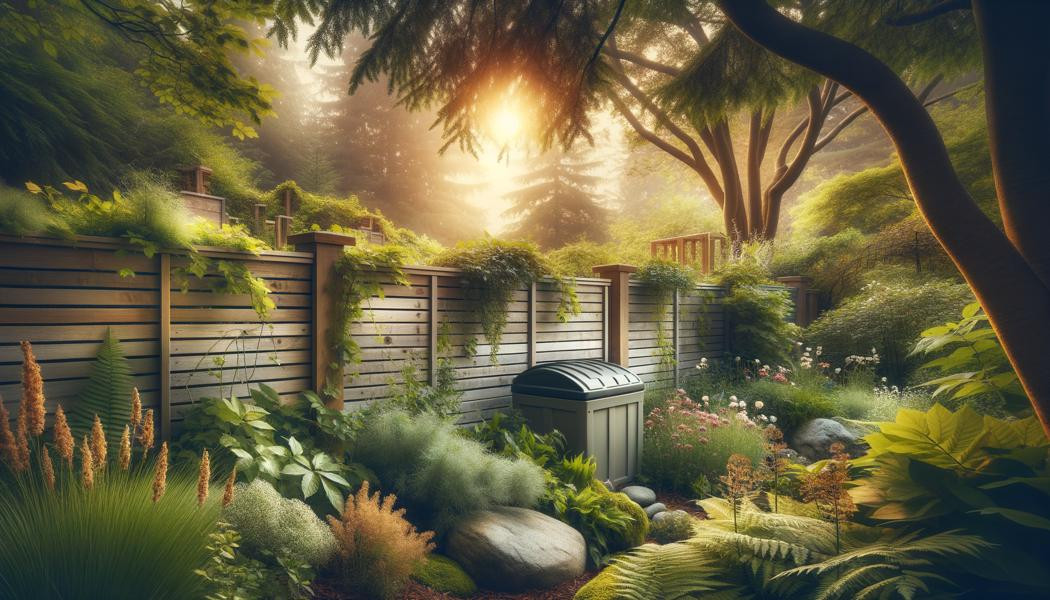
Selecting an outdoor fence is a crucial step in the layout of your outdoor space. In 2025, trends are moving towards sustainable and eco-friendly solutions, which not only beautify your gardens but also respect the environment. This article aims to explore the best design ideas for a sustainable and eco-friendly outdoor fence that meet contemporary expectations while committing to a conscious and responsible approach.
Need help choosing a sustainable and eco-friendly outdoor fence? Quickly find a qualified professional on Helplease and benefit from a tailored service to meet all your needs. Discover professionals near you!Choosing a sustainable and eco-friendly outdoor fence offers multiple advantages that go beyond aesthetics. To begin with, these solutions contribute to the preservation of the environment by reducing the carbon footprint associated with the production and transport of materials. Opting for eco-friendly fences also supports responsible consumption practices and encourages the local economy.
Sustainable fences are often designed to last longer than their traditional counterparts. By using quality materials and ethical manufacturing processes, they minimize the need for frequent replacement and therefore generate less waste. These fences also reflect a growing awareness of environmental issues by showing to other members of the community the importance of respecting our planet.
Additionally, an environmentally friendly fence can enhance the quality of your outdoor space. By integrating natural elements, such as climbing plants or trees, you can create a barrier that fosters biodiversity by providing shelter and food for local wildlife. By choosing such alternatives, not only do you beautify your environment, but you also contribute to the preservation of biodiversity.
Finally, an eco-friendly fence is a wise choice when it comes to property value. Potential buyers are increasingly seeking properties located in green and sustainable spaces. Investing in a sustainable and eco-friendly outdoor fence can thus result in increased property value over the long term.
By opting for a sustainable outdoor fence, you can achieve long-term savings. Even though the initial investment may be higher than with a non-sustainable option, the durability and low maintenance needs of eco-friendly materials reduce costs in the long run.
Eco-friendly fences help minimize environmental impact. By using renewable and recyclable materials, you support a circular economy and contribute to waste reduction.
The choice of materials is fundamental in designing a sustainable and eco-friendly fence. Among the most popular options are wood, bamboo, and recycled materials. Wood, in particular, when sourced from responsibly managed forests, represents a sustainable solution that combines aesthetics with environmental respect. Wood treated with non-toxic products extends its durability without harming the health of occupants or wildlife.
Bamboo is a renewable resource, very strong and lightweight, which provides an interesting alternative. Due to its rapid growth, bamboo is a renewable resource that helps reduce CO2 emissions. This material can be used as panels or lattice, integrating perfectly into a garden.
Recycled materials, such as reclaimed plastics or metal, are also good alternatives. These options help reduce waste by giving a second life to materials that would otherwise be discarded. The durability and resistance of recycled materials make them increasingly popular choices for outdoor fences.
Finally, composite materials made from recycled fibers or wood waste can offer the appearance of wood without the disadvantages of maintenance. These solutions are ideal for those who want to combine aesthetics and functionality in their fencing project.
Choosing sustainable wood is essential. This includes FSC or PEFC certified wood, which ensures that the material comes from sustainably managed forests.
Bamboo is a fast-growing plant that requires little fertilizer. Its strength makes it an excellent choice for fences while being aesthetically pleasing.
Designing an environmentally friendly fence begins with a thorough study of the site. It is essential to consider the characteristics of the land, local wildlife, and the overall aesthetics of your garden. By integrating natural elements, such as climbing plants, you can not only beautify the fence but also encourage biodiversity.
Using organic patterns and shapes can also contribute to the visual harmony of the whole. Rather than straight, rigid lines, favor curves and designs that follow the natural shapes of the land. This style will both improve the integration of the fence into its environment and create refuges for wildlife.
Consider the interactive aspect by providing zones to accommodate plantings. For example, designing a fence that serves as a trellis for climbing plants can bring color and texture to your garden while supporting biodiversity. Local species should be prioritized to encourage pollinators and beneficial insects.
Finally, don't forget the importance of good planning. Make sure your fence complies with local regulations regarding height, distance, and permitted materials. It is also essential to consider the effects of the fence on the local climate, ensuring it does not cast undesirable shadows on surrounding plants.
Integrating nature into the design strengthens biodiversity and enhances the overall aesthetics of your garden. Climbing plants and flowers can create a harmonious environment.
Selecting plants that require little water or are adapted to the local climate contributes to a sustainable garden. This not only strengthens the viability of the local ecosystem but also reduces maintenance costs.
In 2025, outdoor fence design trends highlight minimalism and sustainability. Users are looking for fences that reflect an eco-responsible lifestyle. Trellis-style or laminated panel fences, allowing light to pass while offering privacy, are becoming very popular.
Furthermore, the use of natural colors and matte finishes is the trend. Organic hues blend perfectly into the landscape, allowing the fence to complement the natural environment. Reused materials are also increasingly valued, being at once an aesthetic and environmentally friendly choice.
Vertical decoration is another strong trend. Rather than simply defining a space, fences are now designed to highlight vertical gardens. This may include integrated planters or supports for climbing plants, thus fostering the growth of a vertical eco-garden.
Finally, technology is making its way into fence design. More and more designs incorporate technology, such as integrated solar lighting and security sensors, combining both functionality and sustainability.
Minimalist design helps simplify aesthetics while reducing the materials used, representing both a current trend and a sustainable choice.
Innovations such as solar sensors and automatic irrigation systems allow for fences that are both modern and functional. These solutions help to optimize energy management.
A sustainable wooden fence offers many advantages, not only aesthetic but also ecological. First, wood is a naturally renewable and biodegradable material, helping avoid resource wastage. By choosing FSC or PEFC certified wood, you ensure you're supporting sustainable forest management.
Wood also offers excellent thermal properties. As an insulating material, it helps regulate the temperature of your garden or property. This means that even in summer, excessive heat can be tempered thanks to a wooden fence, making your outdoor space more pleasant.
Additionally, wood can be treated to improve its resistance to weather, insects, and decay. This increases its lifespan and reduces the frequency of replacements. Good treatment can also maintain the wood's appearance, preserving its color and texture throughout the seasons.
Finally, wood is extremely versatile. It can be used in many designs, ranging from traditional fences to more modern structures. The possibilities for customization are nearly endless, allowing adaptations to all garden styles.
When well maintained, wood can last for decades while adding charm and warmth to your outdoor space.
The malleable nature of wood makes it an ideal choice for creating unique designs, thus giving each garden its own distinctive character.
Incorporating living plants into your fence design can transform this functional element into a focal point of the garden. To start, it's important to select climbing plants that are suited to the structure of the fence and local climate conditions. Plants such as ivy or Virginia creeper are excellent choices, as they grow quickly and can cover the fence in little time.
Integrated planters on the fence also add an aesthetic dimension. By placing planters on the top or along the base of the fence, you can introduce a variety of flowers and aromatic plants, bringing color and fragrance to your outdoor space.
Another approach is to create green walls. These structures allow plants to climb vertically, maximizing space while adding tactile texture to the garden. Not only does this offer a beautiful aesthetic, but it can also improve air quality by encouraging photosynthesis.
Finally, remember to use local and indigenous plants. Not only do they require less maintenance, but they also support local wildlife by attracting pollinators such as bees and butterflies. This can enrich your garden's biodiversity while reinforcing the natural landscape.
Adding planters to your fence instantly introduces vibrant colors and pleasant scents, enhancing the aesthetic appeal.
Climbing plants bring life to your fence while providing excellent thermal cover. Choose adapted species to ensure harmonious growth.
When considering the installation of a sustainable fence, several elements must be considered to ensure its longevity and effectiveness. First, it is crucial to examine the land. Preliminary studies on the soil type and sunlight conditions can influence the choice of materials and design.
Secondly, the fence's location is fundamental. Make sure to respect local regulations concerning property boundaries, as well as rules regarding the permitted height and fence type. Once these aspects are checked, planning the product to install becomes simpler.
The type of foundation you choose for your fence can also have a significant impact on its durability. A suitable base ensures the fence can withstand extreme weather such as strong winds or storms. Using a moisture-resistant material in the foundation can also extend the life of your fence.
Finally, the choice of accessories plays a key role in installation. Be sure to use screws and nails made of corrosion-resistant materials, such as stainless steel, to keep the structure intact over the years.
Knowing the soil type is fundamental. Some materials, like concrete, might not anchor effectively in soils that are too loose.
Before starting installation, identify the local regulations to avoid future problems with neighbors.
Recycling fence materials at the end of their life is an essential step in an environmentally respectful process. Many options are available. First, wood can be repurposed by turning it into compost or reusing it in other construction projects. If the fence is damaged but the wood is still solid, elements can be refined and used for other garden constructions.
For metal, iron or steel fences can often be recovered. Many recycling centers accept these materials and can turn them into new metal pieces, thus reducing the need to extract new resources.
Plastic fences can also be recycled, though this may vary depending on the types of plastics used. More and more manufacturers are offering fully recyclable fence options, reinforcing the commitment to waste reduction.
Finally, be sure to check local recycling and reuse programs. Many communities offer resources and advice for saving materials and money while reducing environmental impact.
Old fence elements can often be transformed into garden furniture or decorations, giving new life to the materials.
Forming partnerships with local recycling companies can make it easier to recycle your end-of-life fence materials, thus optimizing your environmental impact.
An eco-friendly fence can have a significant impact on your garden's biodiversity by creating a habitat suitable for various species. First, the use of local and native plants in the design of the fence attracts different pollinators, such as bees and butterflies, which play a crucial role in ecosystem balance. By offering natural shelters, your fence becomes an attraction point for many species.
Moreover, fences designed with recycled and natural materials favor the reintroduction of biological elements into your garden. These materials are often more accommodating for insects and other small species, who feel at home in non-artificial environments.
By integrating elements such as birdhouses or shelters built into the fence itself, you can offer a habitat to birds and other wild animals who benefit from this new refuge. This also helps to enrich biodiversity by encouraging the presence of varied species.
Finally, raw wood or natural materials fences not only promote wild growth but also allow for ecological corridors between different gardens or green spaces, encouraging the migration and dispersion of species.
Eco-friendly fences can support pollinator populations by providing them with a favorable and nourishing environment.
These fences act as corridors, connecting separate spaces and facilitating species movement, which strengthens the overall biodiversity of your area.
Installing an eco-friendly fence requires a thoughtful approach to respect the environment. To start, prioritize anchoring and fastening methods that minimize soil disturbance. For example, using steel or wood foundation stakes instead of concrete helps reduce the environmental footprint.
It is also essential to avoid toxic chemicals during installation. Choose natural, environmentally friendly treatments to protect wood against insects or rot. Natural oils or water-based stains are often good alternatives.
Furthermore, avoid excessively leveling the land, which could disturb local natural habitats. Keeping some shrub or grassy zones intact can preserve local biodiversity while also ensuring an aesthetic installation.
Finally, consider planting vegetation around your fence during installation to help stabilize the soil and prevent erosion. This helps maintain the site's integrity and enrich ecological interactions in your garden.
Reducing soil disturbance is crucial to preserve local habitats when installing a fence.
Natural treatments for wood help maintain a healthy environment while prolonging the fence's durability.
The choice of fence design should suit the environment in which it is placed. Start by assessing the climatic and geological features of your region. In windy areas, for example, choose a sturdier fence to withstand storms, while in temperate zones, lighter designs may be appropriate.
Next, consider your home's and garden's aesthetics. The fence should blend harmoniously with your home's architecture while enhancing the landscape. Think of materials and colors that complement your natural space and optimize while preserving your whole garden.
The positioning of your fence is also crucial. Depending on the shaded or sunny areas of your outdoor space, you can decide whether a vegetated fence or a more traditional design is the best choice.
Finally, commit to selecting a sustainable design that takes local ecology into account, especially by encouraging the use of sustainable materials and the protection of surrounding wildlife. This not only aligns with your values but also contributes to the planet's wellbeing.
A fence should complement the landscape and the design of your property, ensuring visual harmony and optimal functionality.
Each region presents specific climatic challenges that influence your choice of materials and fence design to maximize its durability.
Maintaining a sustainable and eco-friendly outdoor fence is essential to ensure its longevity and effectiveness. First, regularly monitor the condition of your fence to identify signs of wear or deterioration. This includes inspecting for insects, mold, or weather damage.
Next, do not hesitate to clean your fence with eco-friendly products, such as a mixture of water and vinegar or baking soda, which are safe for the environment but effective in removing dirt and residues.
Also, plan to nourish the wood with natural oils or non-toxic protectants to maintain its integrity and appearance. This will reduce the spread of harmful insects while prolonging your fence's life.
Finally, for metal fences, apply an anti-corrosion protective layer every few years to preserve their appearance and functionality. Adopting these maintenance practices will not only help you get the most from your investment but will also ensure you keep an environmentally respectful approach.
Preventive maintenance allows you to detect problems at an early stage, thus avoiding costly repairs in the long term.
Using environmentally friendly products helps minimize impact on the ecosystem while keeping the fence in good condition.
Opting for a sustainable and eco-friendly outdoor fence is a wise choice for those who want to beautify their space while protecting the environment. The design ideas presented throughout this article show that it is possible to combine aesthetics, functionality, and respect for nature. By choosing suitable materials, integrating natural elements, and taking care of maintenance, you will be contributing to a more sustainable environment while adding value to your property.
Committing to an ethical approach in outdoor design benefits not only your garden, but also the planet. In 2025, let us together adopt responsible construction and gardening practices, for a greener and more harmonious future.
Whether you need fast help or want to offer your services, Helplease is your solution! Download the app to access qualified experts or find clients in one click, and simplify your daily life! Available on iOS and Android!