

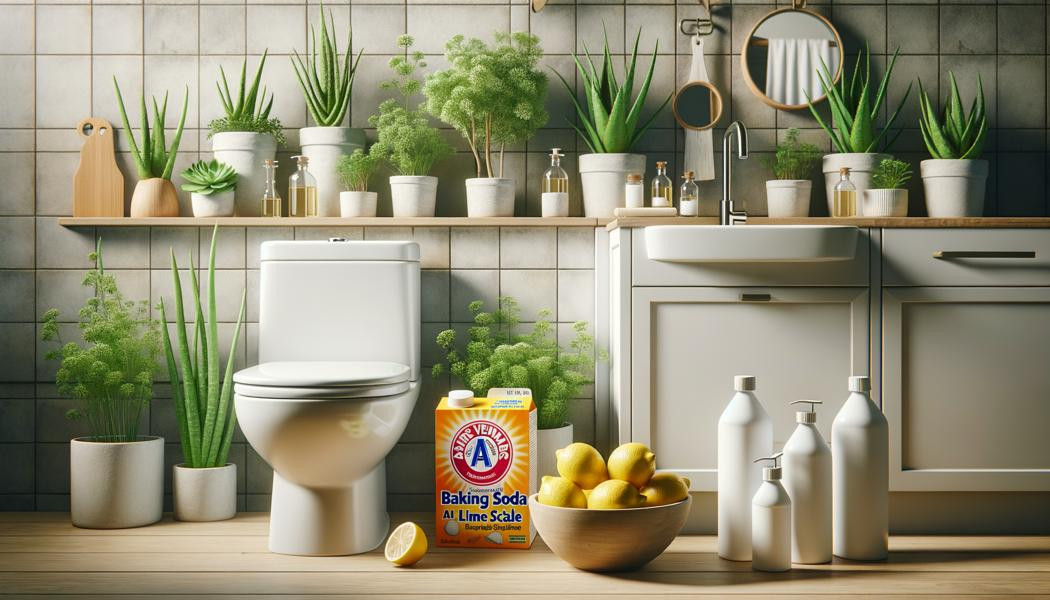
In this article, we will explore natural solutions for a limescale-free toilet in 2025. Limescale in our toilets can be a real nuisance, although there are simple and eco-friendly ways to tackle this problem. We will examine the causes of limescale, the most effective natural ingredients, as well as practical usage methods to make your toilet shine. Choosing natural solutions not only helps preserve the environment, but also contributes to the health of your plumbing. Stay with us to discover how regular cleaning of your toilet can become a simple and effective task!
Need help with removing limescale from your toilet? Quickly find a qualified provider on Helplease and benefit from a tailor-made service to meet all your needs. Find professionals near you!Limescale in the toilet is generally due to the hardness of the water, which contains minerals such as calcium and magnesium. When water evaporates, these minerals stay on surfaces, forming limescale deposits inside the toilet. It’s important to understand that regions with hard water are more likely to experience limescale build-up. Old metal pipes can also exacerbate this problem, as they encourage limescale to stick.
Moreover, the regular use of powerful chemical products for toilet cleaning can also contribute to limescale formation. These products do not always dissolve limescale, but may actually trigger adverse reactions that encourage even more build-up. By adopting a natural approach to treating limescale, it's possible to reduce these deposits and preserve your plumbing’s integrity.
The frequency of toilet use plays a role as well. In households where the toilet is used frequently, limescale build-up can occur more quickly. It is therefore vital to adopt preventive maintenance methods to counteract this process.
Finally, faulty water filtration systems can make the problem worse. If your filtration system is not efficient, the minerals present in the water can accumulate in the toilet, causing limescale deposits. It's essential to check and maintain a good filtration system to avoid limescale from becoming a major issue.
Water hardness is measured in grains per gallon (gpg) or milligrams per liter (mg/L). Hard water has a high concentration of calcium and magnesium, which accumulates in pipes, water heaters, and of course, toilets. It’s wise to have your water tested to find out its hardness level so you can adapt your maintenance methods.
High levels of limescale can generate problems in your plumbing, such as blockages, reduced water pressure, and even premature wear of sanitary fittings. By addressing these issues naturally, you’ll extend the lifespan of your installations.
Opting for natural solutions for descaling your toilet has many advantages, both for your health and the environment. First of all, common chemical toilet cleaners can pose health risks. By using natural alternatives like vinegar and baking soda, you avoid any contact with potentially harmful substances.
Additionally, natural solutions are often less expensive and more accessible than commercial products. For example, white vinegar and baking soda are staples found in most kitchens and are inexpensive. By including these ingredients in your maintenance routine, you can save significantly while keeping your toilet clean.
Furthermore, using natural solutions is beneficial for the environment. Chemical products may pollute wastewater and harm aquatic life and plants. By choosing gentle natural methods, you’re making a responsible decision that respects our planet.
Finally, natural methods tend to be more effective long-term for keeping toilets clean. By adopting preventive care, you can not only eliminate existing limescale but also prevent its recurrence. This helps create a more sustainable cleaning routine in your home.
Using natural ingredients reduces the risk of irritations or allergies, providing a healthier environment for you and your family. By choosing to avoid aggressive chemicals, you improve indoor air quality in your home.
Natural solutions are biodegradable, so they have a lower environmental impact compared to chemical cleaning products. This helps protect aquatic ecosystems when dirty water is flushed away.
When thinking about natural solutions for removing limescale, certain ingredients stand out for their effectiveness. White vinegar is certainly one of the most commonly used. Acetic acid, it dissolves limescale without damaging surfaces. It also leaves a fresh and pleasant smell.
Baking soda is also very effective for descaling toilets. Thanks to its mildly abrasive nature, it helps exfoliate deposits while neutralizing odors. Combined with vinegar, it creates a fizzy reaction that breaks down limescale even more effectively.
Citric acid is another powerful ally in the fight against limescale. Not only is it natural, it's also environmentally friendly. Citric acid can be used as a powder or diluted in water for deep cleaning, making your toilet shine.
Finally, using both baking soda and vinegar together is an effective and economical method. Not only will it descale your toilet, but it will also remove bad odors, making toilet use more pleasant.
Combining these two ingredients is simple. Just pour a cup of baking soda into the toilet, followed by a cup of vinegar. Let it sit for at least 30 minutes before scrubbing with a toilet brush. This provides an unmatched cleaning and disinfecting effect.
Alternatives such as citric acid, which is frequently found in fruits like lemons and oranges, can also be very useful. Just mix a few teaspoons of citric acid with water to make a powerful cleaner.
Using white vinegar to descale the toilet is simple and effective. Start by pouring about 2 cups of white vinegar directly into the bowl. Make sure the vinegar thoroughly covers visible limescale deposits. Let it sit for at least an hour, or overnight for more extensive build-ups.
After waiting, use a toilet brush to scrub the treated areas to dislodge any remaining deposits. Then rinse by flushing. This process will eliminate not only limescale stains but also unpleasant odors from the toilet.
For even more effectiveness, complete your cleaning with a small amount of baking soda. After pouring in the vinegar, wait a few minutes, then add the baking soda for a fizzing action.
Do this cleaning regularly, ideally once a month, to prevent limescale build-up and keep your toilet in perfect condition.
To maximize efficiency, feel free to apply vinegar to other parts of the toilet like the rims, seat, and flush valve. This ensures a deep clean of the whole area, limiting the development of limescale deposits.
Although vinegar is generally safe, avoid mixing it with other chemicals, particularly those containing bleach, as this may produce toxic fumes.
Baking soda is another highly valued natural ingredient for its effectiveness against limescale. Not only does it help descale, but it also neutralizes odors. Its mildly abrasive quality allows it to gently scrub deposits without scratching toilet surfaces.
To use baking soda, start by pouring a cup into the bowl. Next, add a cup of white vinegar. The reaction between these two ingredients will fizz and dislodge limescale, making it much easier to remove.
After letting the solution act for about 30 minutes, use a toilet brush to scrub the bowl efficiently. You'll notice limescale stains come off more easily. Finish by flushing to eliminate any residue.
The combination of these two products offers powerful cleaning comparable to chemical cleaners, but without risks to your health and the environment.
In addition to descaling, baking soda is known for its deodorizing power. By adding baking soda regularly to your toilet, you can also prevent bad odors, improving your bathroom’s hygiene.
Don’t limit baking soda use to toilets. Work it into your cleaning routine for other surfaces, like sinks or bathtubs, to fully benefit from its cleaning properties.
Preparing a natural cleaner with citric acid is very easy. Start by dissolving 50 to 100 grams of citric acid in a liter of hot water. Stir well until completely dissolved. This solution can be used as a routine cleaner for your toilet.
Once the citric acid is dissolved, pour the mixture directly into the bowl. Let it sit for about 30 minutes, then scrub with a toilet brush. Finish by flushing for a sparkling result.
As a natural acid, citric acid is highly effective at dissolving limescale. It’s also environmentally friendly, making it an ideal choice for those looking for eco-friendly cleaning alternatives.
This cleaner can also be used on bathroom surfaces to remove limescale deposits and keep the area clean and fresh.
Beyond toilets, citric acid is used for many other cleaning purposes. You can include it in your kitchen and bathroom cleaning methods to further improve your household tasks' effectiveness.
Although citric acid is natural, wear gloves when using it to avoid any skin irritation. As with all cleaning products, keep it out of reach of children.
Eco-friendly solutions, such as those discussed in this article, have many advantages over chemical cleaners. First, they are usually non-toxic and pose no risk to human health. Chemical products can cause skin irritation, allergies, and even respiratory issues.
Moreover, their impact on the environment is minimal. By using natural products, you help preserve natural resources and reduce your ecological footprint. Chemical products, on the other hand, can contaminate wastewater and harm aquatic ecosystems.
Eco-friendly solutions are also less expensive. While specialized chemical toilet cleaners can be costly, natural ingredients such as white vinegar and baking soda are affordable and widely available. This allows you to save money while keeping a clean environment.
Finally, their effectiveness should not be underestimated. Many eco-friendly solutions are just as, if not more, effective than their chemical counterparts. They also tend to leave a fresh, natural scent, unlike some chemicals which leave behind artificial odors.
By combining these natural solutions, you can create a powerful arsenal for effective cleaning. With just a few simple ingredients, the possibilities are endless for keeping a healthy, clean home.
With increased awareness of the environment and health, more and more people are adopting sustainable cleaning methods. This is changing the way we view housekeeping and encourages everyone to be more responsible.
The frequency of descaling your toilet depends on your water hardness level and how often the toilet is used. For most households, descaling every 1 to 3 months is a good practice to keep your toilet clean and prevent limescale build-up.
In areas where the water is particularly hard, a monthly cleaning may be necessary, while for those living in regions with softer water, maintenance every other or every third month may be enough to prevent limescale deposits.
Keep in mind that preventive maintenance is always more effective and less restrictive than trying to remove limescale that has built up over months. Incorporating descaling into your regular cleaning routine will keep your toilet in excellent condition.
Using natural solutions such as vinegar and baking soda during each cleaning helps limit build-up, ensuring your toilet remains clean and healthy.
To assess more precisely how often you need to descale in your situation, observe the appearance of deposits in your toilet. If they become visible, don’t wait—act quickly and descale.
By integrating descaling into your weekly maintenance routine, you'll be able to prevent limescale issues and keep your toilet in perfect condition with minimal effort.
Preventing limescale build-up in toilets requires combining good hygiene practices and using natural products. First, it's recommended to flush regularly to remove residues before they solidify. Don’t wait until limescale becomes visible to act.
Next, consider using a water softener if you live in an area with very hard water. This lessens the effects of limescale and significantly reduces deposits in your fixtures.
Furthermore, you can add a cup of white vinegar to your toilet once a week, leave it for a while, to keep the surfaces clean and reduce limescale build-up. This simple task takes little time and is very effective.
Finally, remember to inspect your toilet regularly. This lets you spot any early calcification and intervene before it becomes a bigger problem.
Being aware of the water quality you use can also influence limescale build-up. If your region’s water is particularly high in minerals, take preventive measures to protect your plumbing.
Preventive cleaning is key. By using natural products in your cleaning routine, you help keep your toilet clean without much effort.
Regularly maintaining your toilet is essential to prevent limescale accumulation. Start by scrubbing the bowl with a mixture of vinegar and baking soda, as described earlier, once a week. This helps disinfect and remove deposits each week.
In addition, using a nylon toilet brush allows you to reach every corner. Scrub often-neglected areas, such as under the rim, to prevent limescale buildup.
Also, consider installing a water supply filter if possible in your home. This too can reduce limescale deposits in the toilet, while extending your plumbing’s lifespan.
Each time you use the toilet, a small preventative clean, even if just a few minutes, can have long-lasting effects on your fixtures’ appearance.
For effective care, opt for vinegar-based cleaners that are gentle yet efficient at dissolving limescale deposits. This type of product helps maintain the toilet’s cleanliness on a daily basis.
Set up a regular maintenance calendar so you clean your toilet every week. This ensures you’re always ahead with your cleaning and stops limescale deposits from accumulating.
Even though there are many natural cleaners, some commercial products can also be helpful for toilet descaling. Choose eco-friendly options, which are less aggressive and respectful of the environment. These products often contain organic ingredients yet are effective at removing limescale deposits.
In addition, disinfectant tablets can be used for easy maintenance between deep cleans. They help keep toilets fresh and reduce the risk of limescale deposits by acting continuously over time.
Be sure to check that any commercial product you use is compatible with the natural methods you prefer, so you don’t create unwanted reactions.
Finally, consider other solutions such as essential oil-based cleaning sprays, which leave a pleasant scent while cleaning limescale effectively.
By opting for eco-friendly cleaners, you reduce the potential impact of chemicals on your health and the environment. It’s a more responsible choice with long-term benefits.
Don’t hesitate to try various products to find those that work best for your toilet. Every home and water supply is different, so it's crucial to choose the best options.
After using natural methods to descale your toilet, you can expect a clean, shiny bowl free from limescale deposits. The results are often visible from the first use, and after regular care, toilets will look fresher and be more hygienic.
Without corrosive chemicals, the surfaces of your plumbing will be preserved, extending their lifespan. Natural solutions are less aggressive, thus reducing the risk of damaging your bathroom fixtures.
Moreover, your toilet’s smell will be vastly improved thanks to ingredients like vinegar and baking soda, which neutralize bad odors and leave a clean sensation.
Finally, adopting these methods will help boost your plumbing system’s efficiency and reduce long-term issues related to limescale build-up. This plays a key role in keeping a healthy home environment.
After applying these natural treatments, you will notice not only greater cleanliness in your toilet, but also a fresh hygienic feeling without the unwanted effects of chemical products.
Investing in natural solutions will help you save on expensive commercial products and reduce plumbing costs associated with untreated limescale deposits. It’s a smart and sustainable economic choice.
In summary, adopting natural solutions for a limescale-free toilet in 2025 is beneficial for your health, your plumbing, and our environment. Simple and accessible products such as white vinegar, baking soda, and citric acid can transform toilet maintenance into an easy and effective task. By integrating these methods into your routine, you will prevent limescale build-up while creating a healthy and pleasant living environment. Don’t hesitate to try these solutions and adapt your practices to find what works best in your home.
Whether you need quick help or want to offer your services, Helplease is your solution! Download the app to access qualified experts or find clients in one click, and make your daily life easier! Available on iOS and Android!