

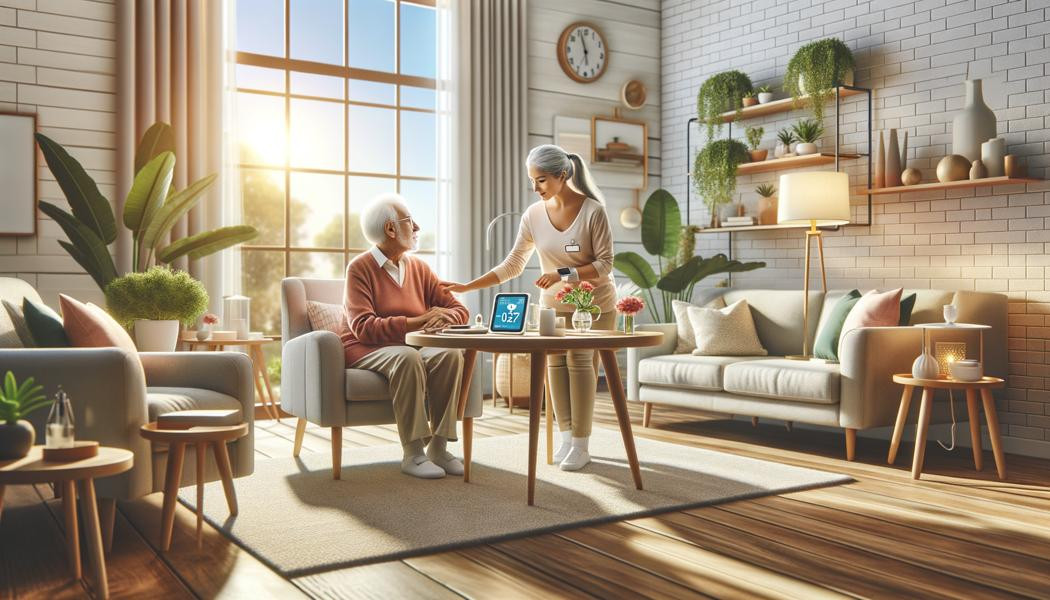
Home care is a major issue for many people, especially seniors and those with disabilities. This article aims to provide practical tips to improve quality of life at home. We will explore the various aspects of home care, addressing the challenges encountered, the necessary adjustments, the available financial assistance as well as the new technological tools that can be used to facilitate this process. Activities promoting well-being, the establishment of a support network, and additional professional services will also be examined. Finally, we will discuss medical care and the importance of family involvement in this process.
Do you need help with home care? Quickly find a qualified provider on Helplease and benefit from a tailor-made service designed to meet all your needs. Discover the professionals near you!Home care refers to a set of elements and services that allow a person, particularly the elderly or disabled, to remain safely and comfortably in their own home. This involves special attention to the quality of home life, fostering a sense of autonomy and preserving social connections. Home care also helps to reduce the costs associated with hospitalization or institutional care, offering a more economical and sometimes more pleasant solution for the people concerned.
The importance of this approach lies in the fact that it helps to maintain a certain quality of life. By allowing individuals to remain in their familiar environment, it also reduces the stress associated with a major lifestyle change. Studies have shown that staying at home can also promote better mental health and physical health.
Moreover, this allows loved ones to become more involved in supporting individuals, cultivating regular interactions and maintaining open communication. Home care must therefore be supported by appropriate policies and access to proper resources.
Finally, it is essential to foster a positive mindset surrounding home care, as it can also be accompanied by new discoveries and rewarding life opportunities.
To ensure successful home care, several elements must be in place: the assessment of individual needs, the implementation of professional services, and effective communication between the person, their family, and service providers.
Home care affects not only the person concerned but also their family. It often requires additional commitment from loved ones, who must adjust their schedules to help, and who can also benefit from resources to better manage this situation.
Although home care offers many advantages, it is not without its challenges. One of the main difficulties encountered is the lack of adequate resources. Necessary care and services can sometimes be expensive and hard to access, making the situation complex for families. Moreover, the diversity of needs may add complexity to coordinating care and interventions.
Another common obstacle concerns home adaptation. Homes may not be secure enough for people with reduced independence, with stairs, unsuitable bathrooms, and poor accessibility. The costs of such adaptations can be a barrier to improving living conditions.
Additionally, health problems can also lead to complications. Managing chronic illnesses or cognitive disorders requires increased attention, making home care more difficult. Medical complications can occur without warning and require emergency care that the home environment cannot always provide.
Finally, loneliness is a major challenge. Many elderly people living at home may feel isolated, which affects their mental health. Networking and social support are crucial to address this situation, but they require a concerted effort from both loved ones and professionals to ensure the person does not feel alone.
The lack of resources such as financial aid or support services, due to sometimes overloaded healthcare systems, can complicate home care.
Home improvements such as installing ramps or medical equipment are often costly and require careful planning.
Adapting a home to make it more comfortable and secure is essential for effective home care. This starts with evaluating different living spaces, especially bedrooms, the kitchen, and the bathroom. Each room must be accessible and safe, with elements such as grab bars in the shower or non-slip rugs on the floor.
Lighting also plays a major role. Good lighting can prevent falls and improve resident safety. Using dimmable LED bulbs allows adaptation to specific needs at various times of the day. Organizing space should also encourage free circulation, without obstacles or clutter, particularly in busy areas.
Adding comfortable and suitable furniture is another crucial aspect of adaptation. It is best to choose furniture that offers good support and is at the right height to make it easier to sit and stand. Sturdy chairs with armrests can also provide valuable assistance.
Finally, it is important to consider assistive technologies such as home security systems or fall detectors, which can bring peace of mind both to the person and their loved ones.
Good lighting reduces the risk of falls and provides a more pleasant and safer living environment for residents.
Comfortable and well-placed furniture meets the specific needs of individuals, thus increasing their overall comfort.
Several forms of financial assistance are available to help with home care. Firstly, the Disability Compensation Benefit (PCH) is aid offered by the State to cover expenses related to loss of independence. It can fund equipment, home improvements, and personal care services.
Additionally, local aid, often managed by municipal or departmental councils, can provide valuable support. Each region may offer suitable schemes, ranging from grants for home improvement work to help for funding carers.
It is also possible to access tax credits for expenses related to home adaptation. Expenses for medical equipment or access solutions for people with disabilities are often covered, thus making home care easier.
Finally, some mutual or private insurance companies may offer specific coverage for home care. It is important to consult these organizations and inquire about insurance contracts in order to maximize the available benefits.
The PCH can cover various costs related to loss of independence, including home care services or medical equipment.
Specific assistance may be provided locally, including grants or assistance programs tailored to residents.
Integrating modern technology plays a critical role in optimizing home care. Devices such as home automation systems make it possible to automate everyday tasks, such as lighting or heating, thus offering more comfort to users. For example, a voice control system can simplify interaction with the house and improve independence.
Teleassistance devices are also a must. Thanks to smart watches or sensors, loved ones or doctors can monitor health status in real time. These tools are invaluable for risk prevention, especially in the context of chronic illnesses or elderly people living alone.
Health apps allow users to keep track of medical appointments, medications, and access remote consultations, thus strengthening health management. This makes health monitoring more accessible and less cumbersome.
Lastly, alert technologies such as alarm systems offer a quick response in emergencies, providing safety to both residents and their families.
Home automation technology makes the home more accessible by automating daily tasks, thus improving quality of life.
Apps offer useful tools for managing care, facilitating coordination and communication between the person and their caregivers.
Engaging in recreational activities is essential for mental and physical health, especially in home care. Activities such as reading, board games, or crafts can bring enjoyment and stimulate cognitive function. Creative hobbies offer not only a means of expression but also an opportunity to share moments with loved ones.
The practice of suitable physical activities, such as yoga or walking, is just as important. Regular exercise can help maintain mobility and prevent physical decline. Support groups or outdoor activity sessions can also promote social inclusion.
Access to remote cultural services, such as virtual museum tours or online concerts, is also a great way to escape without leaving home. These activities can generate a sense of community while keeping culture alive in their daily lives.
Finally, socialization via technology (video calls, online discussion groups) can help reduce isolation and maintain meaningful relationships with loved ones.
Craft or creative activities allow personal expression while bringing relaxation and psychological benefits.
Maintaining regular physical activity, even moderate, is essential for physical and emotional health, bringing many benefits.
Establishing a strong support network is fundamental for successful home care. This network may include family, friends, neighbors, and healthcare professionals. Open communication among all parties involved helps to better identify needs and organize the necessary interventions.
Participating in local groups or support associations can also expand this network. These groups offer an environment conducive to sharing experiences and advice, thus providing support to those living in similar situations.
Additionally, technology such as family alert platforms or information sharing apps can help maintain regular contact and monitor progress. This can also make it easier to coordinate visits and interventions.
Finally, it is wise to formalize help and commitments by writing them down and keeping them updated so that everyone knows their responsibilities. This promotes an equitable and efficient distribution of the workload.
Participating in local support groups fosters mutual help and the creation of new friendships, which are essential in combating isolation.
Online communication platforms help keep in touch with family and friends, ensuring a constant and responsive support network.
Professional services can provide valuable assistance in ensuring effective home care. Home help services, for example, ensure daily activities like housekeeping, meal preparation, or assistance with getting up and going to bed. These workers are often trained to meet the specific needs of those they assist.
Nursing care at home is also a crucial option for people with specific medical needs. These professionals can ensure that treatments are properly followed and provide necessary care without the person having to leave their home.
Seeking therapists or specialized assistants, such as physical therapists or occupational therapists, is also an advantage for maintaining or improving the individual’s physical condition.
Finally, administrative services can also be beneficial for helping with formalities related to health, financial aid, or home adaptation, bringing extra peace of mind to families.
Home help services can assist with daily tasks, allowing people to stay in a familiar environment while reducing the burden on the family.
Home nursing ensures that medical treatments are properly followed while avoiding unnecessary travel.
Managing health at home is a key part of home care. This involves organizing regular monitoring of prescribed treatments, complying with medical prescriptions, and organizing necessary consultations. Using tools such as health management apps can help keep track of appointments, medications, or even remind one of medicine intake times.
Collaborating with healthcare professionals is also crucial to obtain proper care. This includes the option of regular follow-up visits to assess health progress. These visits can be performed by nurses or other specialized assistants, allowing for constant medical monitoring.
It is also important to involve the family in this management by providing clear instructions on care and integrating discussions about emerging needs over time.
Finally, cultivating a good lifestyle is also vital: maintaining a balanced diet, suitable physical activity, and quality sleep as these all contribute to health and well-being.
Health apps provide better organization and effective monitoring of care and treatments at home.
Establishing a trusting relationship with healthcare professionals ensures comprehensive care that is adapted to the person’s needs.
Encouraging autonomy for elderly people at home is a central aspect of home care. This begins with assessing individual abilities to set goals appropriate to the situation. Offering choices and informing the person about the different possible options also fosters a sense of autonomy.
Involving the elderly person in decision-making about daily life—meals, activities, or care—reinforces autonomy. Acquiring practical skills, such as budget management or preparing simple meals, helps increase confidence and prevent feelings of dependence.
Moreover, access to support services, such as training in specific technologies, can help maintain a certain level of independence in daily life.
Finally, adequate psychological support plays a crucial role in fostering autonomy. Regular exchanges with family or professionals can facilitate the expression of concerns and strengthen overall well-being.
Involving the elderly in their decisions promotes their autonomy and increases their confidence to make daily life choices.
Providing the elderly with training in modern technology makes their lives more autonomous and simpler.
Family involvement is essential to ensure successful home care. Transparent communication among family members is the first step to ensuring that everyone understands the individual’s needs and concerns. Organizing regular meetings to discuss goals and concerns can improve the coordination of support efforts.
It is also important to educate the family on key health issues for the individual and on the implications of their support. Engaging in activities together helps improve relationships and strengthen family bonds. This also involves encouraging regular visits and being attentive to emerging needs.
Defining clear roles and responsibilities and sharing tasks fairly also helps to reduce pressure on a single family member. This promotes a balance that can have positive effects on the family’s psychological health.
Finally, encouraging external support solutions, such as home help workers, allows the family to balance between offering support and having time for themselves.
Providing families with information on the health and practical aspects of home care is crucial for guiding their effective support.
Making sure that responsibilities are shared within the family ensures balanced and sustainable support, which is essential for the well-being of all members.
Over time, various situations may indicate that a change is needed for a successful life at home. One of the most frequent signs is declining physical abilities, such as difficulty moving, completing personal care, or managing daily tasks. In such cases, an adjustment in the level of care should be considered.
Other worrying signs may include behavioral or mental health changes, such as isolation, depression, or memory disorders. These elements may require more thorough assessment and possibly medical or psychological intervention.
Additionally, a rise in home accidents, such as falls or forgetfulness, may signal the need to evaluate the home environment or increase the level of support.
Finally, if individuals suggest or clearly express their desire to change their living environment, it may be imperative to respect their wishes and explore alternative solutions, whether temporary or permanent.
Signs of physical deterioration should be taken seriously and may indicate the need for increased support services.
Signs of psychological or emotional distress may indicate the need for additional medical attention to ensure effective home care.
Home care is a fundamentally important strategy for many people wishing to keep their independence and quality of life. By navigating the associated challenges, adapting the space, ensuring adequate family support, and taking advantage of technology, solutions can be found to make life at home comfortable.
A strong support network is essential, as is the use of available professional services. Family involvement and recognition of signs that a change is needed are crucial to ensure that home care is not only possible, but also pleasant and rewarding.
Whether you need quick help or want to offer your services, Helplease is your solution! Download the app to access qualified experts or to find clients in just one click, and simplify your daily life! Available on iOS and Android!