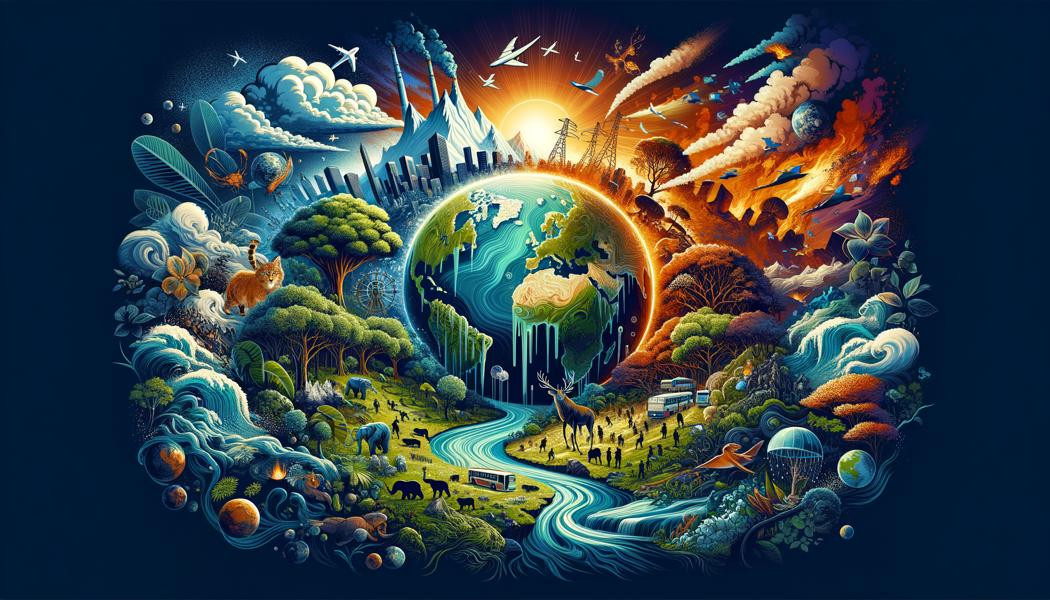
Summary
- What are the main ecological dynamics in the world today?
- How does climate change affect ecosystems?
- What roles do urban areas play in ecological dynamics?
- What are the consequences of deforestation on biodiversity?
- How do human activities alter natural cycles?
- What are the impacts of pollution on terrestrial and aquatic ecosystems?
- How do migratory movements influence natural environments?
- What are the issues related to the management of natural resources?
- How can species conservation help to preserve ecosystems?
- What are the ecological dynamics of coastal zones in the face of urbanization?
- How can environmental policies influence ecological dynamics?
- What are the future ecological challenges we must anticipate?
In a world where environmental issues are increasingly urgent, understanding current ecological dynamics is essential for our future. This article aims to explore the different facets of ecological dynamics shaping our planet. By analyzing climate change, deforestation, pollution, and other factors, we will attempt to identify trends and solutions to preserve our ecosystem. Urban areas, migratory movements, and resource management will also be taken into account, as they play a key role in shaping the natural environment. In short, we will look at the complexity of interactions between humans and their environment in order to better comprehend the challenges ahead.
Need help understanding ecological dynamics? Quickly find a qualified provider on Helplease and benefit from a tailored service to meet all your needs. Discover professionals near you!What are the main ecological dynamics in the world today?
The main ecological dynamics in the world today are characterized by rapid changes that influence biodiversity and natural systems. Among these dynamics, climate change is undoubtedly the most concerning. It impacts habitats, seasons, and the life cycles of species. Heat levels, ocean acidification, and extreme weather events are becoming increasingly frequent, disrupting entire ecosystems.
Another important dynamic is rapid urbanization, which is transforming landscapes on an unprecedented scale. Urban areas, once considered spaces isolated from nature, have become nerve centers of interaction between humans and ecosystems. This transformation leads to a loss of biodiversity and fragmentation of habitats, increasing difficulties for wildlife to migrate and adapt.
Finally, globalization plays a key role in ecological dynamics. Trade and population movements alter species interactions, sometimes introducing invasive exotic species that disrupt the balance of local ecosystems. This interconnectedness between different ecological systems around the world underscores the importance of a systemic approach to understanding and managing these dynamics.
Influence of climate change
Climate change influences all aspects of our daily lives, from water levels in rivers to plant blooming periods. Many species of fauna and flora are forced to migrate towards more favorable habitats, thereby modifying existing ecosystems. The implications are vast and affect both local economies and global food systems.
Role of urban areas
Cities represent both an opportunity and a challenge for conservation of biodiversity. They often host species adapted to these environments, but overpopulation and pollution generate increased environmental stress. Consequently, it becomes vital to develop green infrastructures favorable to biodiversity in urban settings, which could limit the impacts of urbanization on surrounding natural ecosystems.
Professionals, looking for more clients? Sign up on Helplease today to offer your services and grow your business. Access a broad client base in just a few clicks!How does climate change affect ecosystems?
Climate change affects ecosystems in diverse and complex ways. Variations in temperature and precipitation alter living conditions for species, resulting in upheavals in food chains. For example, some species may struggle to find prey or suitable habitats due to rapid changes, which can negatively affect their populations.
Moreover, ocean acidification, resulting from increased CO2 levels in the atmosphere, has devastating consequences for marine life. Corals, whose health is essential to reefs, display signs of stress. The degradation of coral reefs represents a threat to marine biodiversity and the human communities that depend on them.
Additionally, climate change exacerbates the occurrence of natural disasters. Floods, droughts, and wildfires are becoming more frequent and intense. These events not only disrupt natural habitats but also affect human health and the economy, leading to population displacement and increased poverty.
Effects on biodiversity
Climate change threatens biodiversity by causing species extinctions at an alarming rate. The most vulnerable species, especially those with limited geographic ranges, are in great danger. The loss of biodiversity also affects the resilience of ecosystems, making it more difficult for them to adapt to new environmental challenges.
Ecosystem responses
In the face of these challenges, ecosystems attempt to adapt, but this process can take time. Some natural systems, such as mangroves and wetlands, demonstrate a significant capacity for adaptation, acting as buffers against climate change. However, these systems are also threatened by human activity, making their protection essential.
If you need an expert to meet your specific needs, visit Helplease and discover the providers available near you. Simplify your life and find the right professional!What roles do urban areas play in ecological dynamics?
Urban areas play a crucial role in ecological dynamics, often seen as spaces of separation between humans and nature. Yet they can also act as catalysts for positive change. By integrating green spaces, parks, and ecological corridors, cities can promote biodiversity and provide habitats for many species.
Raising awareness about biodiversity in urban areas can also strengthen the connection between citizens and their environment. For example, urban gardening projects not only beautify neighborhoods but also foster pollination and improve air quality. Studies show that these initiatives can improve inhabitants' well-being while supporting local biodiversity.
However, the expansion of urban areas results in a decrease in biodiversity. The construction of roads, buildings, and other infrastructures can fragment natural habitats, making it more difficult for local species to survive. Consequently, it is imperative to adopt sustainable development strategies to preserve and integrate biodiversity in our cities.
Impact on air quality
Urban areas often face higher levels of air pollution than rural areas, which affects both human health and biodiversity. Trees and green spaces play a vital role in purifying the air by absorbing pollutants and producing oxygen. Promoting urban vegetation can thus help mitigate the harmful effects of air pollution.
Civic engagement in conservation
Community initiatives that encourage nature conservation at urban scale are essential for creating a culture of sustainability. By involving residents in ecological projects, such as community gardens, we can improve local quality of life while protecting ecosystems.
What are the consequences of deforestation on biodiversity?
Deforestation, the eradication of forests for agriculture, logging, or urban development, poses one of the most serious challenges to global biodiversity. Forests are home to nearly 80% of known terrestrial species. Their destruction leads to habitat loss for millions of species, resulting in localized and sometimes global extinctions.
The consequences of deforestation are not limited to biodiversity loss. The destruction of forests also disrupts water cycles, affecting the availability of fresh water in many regions. This may lead to droughts or floods, impacting both ecosystems and the human communities that depend on them.
Deforestation also contributes to climate change. Forests play a vital role in carbon storage, and their destruction releases significant quantities of CO2 into the atmosphere. This intensifies the effects of climate change and further increases pressures on biodiversity.
Desertification and erosion
Deforested lands can be subject to desertification, a phenomenon that degrades soil quality and renders it infertile. This complicates reforestation and hinders the fight against poverty, especially for communities dependent on agriculture for their livelihoods. As a result, the vicious circle between deforestation, climate change, and poverty intensifies.
Measures to protect biodiversity
It is essential to develop effective conservation strategies to protect biodiversity from deforestation. This can include setting up nature reserves, reforestation, and promoting sustainable agricultural practices that balance economic needs with nature protection.
How do human activities alter natural cycles?
Human activities have a significant impact on Earth's natural cycles, particularly those of water, carbon, and nitrogen. For example, urbanization and intensive agriculture disrupt the water cycle by altering drainage patterns and increasing evaporation. This can cause water shortages in some regions, while causing floods in others.
The carbon cycle is also affected by greenhouse gas emissions from the burning of fossil fuels and deforestation. These activities increase CO2 concentration in the atmosphere, thus contributing to global warming. In turn, this affects biodiversity, as species must adapt to rapidly changing climatic conditions.
Moreover, excessive use of fertilizers and pesticides in agriculture disrupts the nitrogen cycle, causing soil and water pollution. This can result in nutrient surpluses in aquatic ecosystems, leading to algal blooms that are harmful to marine fauna.
Consequences on sustainable agriculture
Unsustainable agricultural practices not only disrupt natural cycles but also jeopardize long-term soil fertility. Implementing sustainable agricultural practices such as crop rotation and agroecology can help restore the balance of natural cycles while maintaining land productivity.
Natural cycles restoration
Integrated resource management initiatives can help restore and protect ecosystems. By working to regenerate habitats and protect endangered species, we can mitigate the effects of human activities on natural cycles and promote sustainable coexistence between humans and nature.
What are the impacts of pollution on terrestrial and aquatic ecosystems?
Pollution, whether of air, water, or soil, has devastating effects on terrestrial and aquatic ecosystems. Chemical pollutants, such as heavy metals and pesticides, contaminate soils and water, threatening the health of living species. This contamination is not limited to ecosystems but also extends to food chains, thus affecting humans who consume these species.
In aquatic ecosystems, pollution causes a decline in fish populations and other forms of marine life. Polluted waters can cause diseases in aquatic species, reducing their reproduction and populations. In the long term, this not only compromises biodiversity but also the livelihoods of communities that depend on fishing.
Moreover, atmospheric pollution contributes to climate change by emitting greenhouse gases. Fine particles can harm human and animal health, causing respiratory problems and other diseases. Combating pollution is therefore a major issue for public health and environmental protection.
Effects on natural habitats
Natural habitats are also degraded by pollution. The destruction of these habitats weakens ecosystems and increases the vulnerability of species. Soil pollution, for instance, limits the ability of plants to grow and undermines biodiversity.
Solutions to pollution problems
To combat these harmful effects, it is essential to implement strict environmental policies and adopt sustainable practices. Raising awareness about pollution and its risks is also crucial to mobilize public opinion and encourage positive changes at individual and collective levels.
How do migratory movements influence natural environments?
Migratory movements, whether forced by war or driven by the search for better living conditions, have a significant impact on natural environments. The influx of migrants into certain regions increases pressure on local resources, leading to overexploitation of land, water, and food. These pressures can worsen ecosystem degradation and cause additional displacement.
Migrants, seeking opportunities, often modify landscapes by establishing new settlements or intensifying agriculture. This can lead to the destruction of natural habitats, resulting in loss of biodiversity and fragmentation of ecosystems.
On the other hand, migratory movements can also be beneficial. Migrant populations bring with them knowledge and practices that can contribute to environmental sustainability. Land rehabilitation initiatives led by migrant communities show that it is possible to restore damaged ecosystems while addressing social needs.
Integration of migrants and environmental preservation
Successful integration of migratory movements requires inclusive policies that recognize the potential of migrants to positively contribute to their new environments. By giving migrants access to training and resources, they can be encouraged to adopt sustainable practices that benefit both their new community and the environment.
Partnerships for conservation
Partnerships between governments, NGOs, and migrant communities can make it possible to implement conservation projects that address both environmental and social needs. These collaborative initiatives can play a key role in ecosystem protection by leveraging the local knowledge of migrants.
What are the issues related to the management of natural resources?
The management of natural resources is a major issue in the current context of climate change and population growth. Difficulties in access, unequal distribution, and overexploitation of these resources present critical challenges to address. Resources such as water, soil, and forests are often overexploited to meet growing demand, putting their sustainability at risk.
Furthermore, conflicts over natural resources can also arise between different regions or communities, exacerbating political and social tensions. Inappropriate or environmentally insensitive management can lead to ecological disasters, such as desertification or deforestation, further worsening the climate crisis.
Transparency in the management of resources and participation of local communities are essential to promote sustainable use. Integrating traditional knowledge and modern techniques can also offer solutions to these issues, allowing for more effective and responsible management.
Integrated resource management
Integrated resource management takes into account all components of an ecosystem, recognizing the interconnectedness between different resources. By adopting a holistic approach, managers can better anticipate and reduce negative environmental impacts.
Renewable resources and sustainability
Focusing on renewable resources, such as solar and wind energy, helps reduce dependence on fossil fuels and mitigates environmental impact. By investing in conservation technologies and promoting sustainable practices, we can ensure access to resources for future generations.
How can species conservation help to preserve ecosystems?
Conservation of species plays a crucial role in ecosystem preservation. Protecting endangered species helps to maintain natural balances which, in turn, support biodiversity. Every species, whether large like an elephant or small like a bee, plays a specific role in its habitat, and its disappearance can have catastrophic consequences for the entire ecosystem.
Conservation can also have socio-economic benefits. Healthy ecosystems provide essential services, such as regulating water cycles and crop pollination. Thus, preserving species and their habitats directly contributes to food security and human well-being.
Conservation initiatives, such as nature reserves and reintroduction programs, aim to rebuild species populations and restore degraded habitats. Moreover, they raise public awareness of the importance of protecting nature and encourage greater environmental responsibility.
Education and awareness programs
Raising awareness of species conservation is essential to mobilize public support. Educational programs can help communities understand the importance of biodiversity and the consequences of species loss. By stimulating interest in local wildlife, these initiatives encourage active participation in conservation.
Partnerships for conservation
Collaborations between governments, NGOs, and local communities are crucial for successful conservation initiatives. Working together allows pooling of resources and expertise while strengthening commitment to sustainable species and habitat protection projects.
What are the ecological dynamics of coastal zones in the face of urbanization?
Coastal zones are among the most affected by urbanization. With the rapid growth of urban populations, coastal development has often meant the artificialization of landscapes, leading to the loss of precious habitats such as mangroves and salt marshes. These ecosystems play a crucial role in coastal protection, biodiversity, and nutrient cycles.
Coastal urbanization can also cause pollution problems, which affect seawater and harm marine life. Increased waste, shoreline erosion, and overloading of infrastructures have negative impacts on the health of coastal ecosystems, threatening both aquatic wildlife and the human communities that depend on them.
To mitigate these impacts, an integrated planning approach is necessary. This involves taking ecological dynamics into account in coastal project development, ensuring the sustainability of resources and protection of critical ecosystems. Restoring coastal habitats and implementing sustainable practices are essential in this regard.
Management of marine resources
Sustainable management of marine resources is essential to ensure the health of coastal ecosystems. This requires cooperation between various stakeholders, including fishers, scientists, and local communities. By adopting sustainable fishing practices, we can foster the regeneration of marine stocks and protect coastal habitats.
Restoration of degraded ecosystems
Restoring coastal ecosystems, especially mangroves and coral reefs, is essential to strengthen resilience to urbanization and climate change. These initiatives not only boost biodiversity but also provide protection against storms and shoreline erosion, offering both environmental and social benefits.
How can environmental policies influence ecological dynamics?
Environmental policies play a crucial role in shaping ecological dynamics. They set standards and regulations that guide the behaviors of individuals, businesses, and governments regarding the environment. Laws protecting species, air and water quality, as well as land use regulations, determine how natural resources are managed.
Effective policies promote sustainability and ecosystem resilience. By integrating biodiversity protection objectives, they can reduce the harmful impacts of human activities while fostering economic development. Examples of such policies include the creation of nature parks and the promotion of sustainable agriculture.
Conversely, gaps or weaknesses in environmental policies can lead to ecosystem degradation. Lax regulations and insufficient monitoring can provide fertile ground for overexploitation of resources and pollution, thus undermining conservation efforts.
Partnerships for policy implementation
Collaboration among governments, businesses, and NGOs is a key factor in the success of environmental policies. By joining forces, these entities can develop numerous initiatives that encourage sustainable resource management. Awareness and environmental education programs are also essential to encourage public participation and promote environmentally friendly behavior.
Policy evaluation and necessary adjustments
Implementing monitoring and evaluation systems helps determine the effectiveness of environmental policies. These evaluations can reveal gaps and identify areas in need of improvement. Adaptability in the formulation of environmental policies is critical for addressing emerging challenges and changes in ecological dynamics.
What are the future ecological challenges we must anticipate?
Future ecological challenges are numerous and varied, requiring proactive and coordinated responses. Climate change remains the most urgent threat, with impacts that will continue to be felt across all aspects of terrestrial and marine systems.
With increasing urbanization, sustainable development of cities will be a major challenge. It will be crucial to reconcile economic growth with biodiversity protection and reducing ecological footprints.
The loss of biodiversity will also require increased attention. Conservation of species and habitat management will remain priorities for maintaining ecosystem balance. In addition, emerging threats, such as zoonotic pandemics, highlight the importance of a "One Health" approach, linking human, animal, and environmental health.
Technology and innovation for sustainability
The use of innovative technologies to monitor and manage natural resources presents an opportunity for improvement. Tools such as satellites for agricultural monitoring, apps for tracking biodiversity, and water purification technologies can help address ecological challenges effectively.
Global collaboration
Finally, international cooperation is essential to meet these challenges. Ecological dynamics transcend borders, and a concerted effort is necessary to create global strategies for sustainability. International agreements on climate and biodiversity, such as the Paris Agreement, are important steps in this direction.
Whether you need quick assistance or want to offer your services, Helplease is your solution! Download the application to access qualified experts or find clients with a single click, and simplify your daily life! Available on iOS and Android!