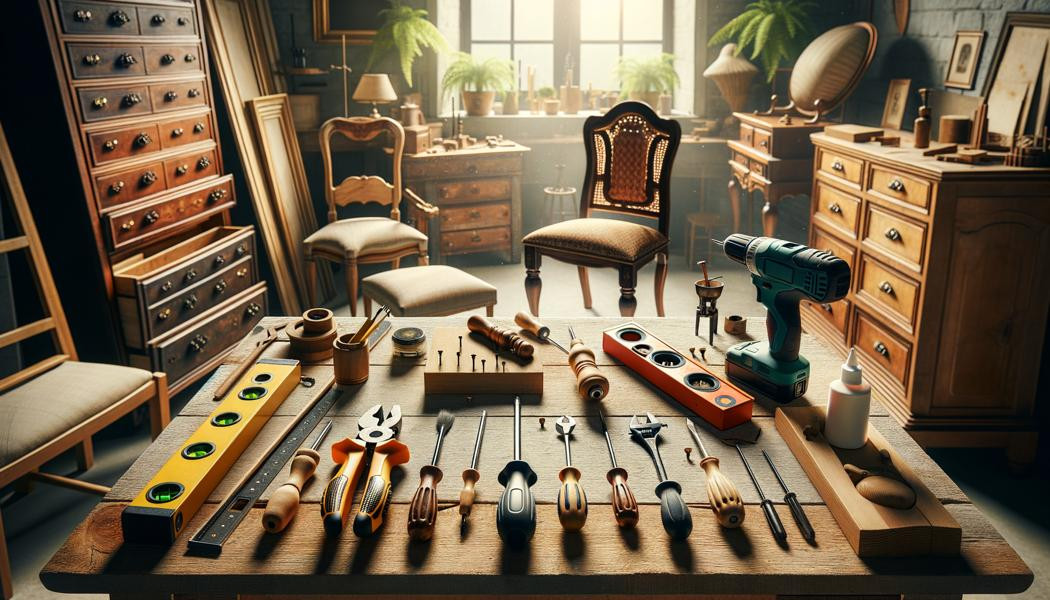
In a constantly evolving world, furniture repair is becoming an increasingly sought-after skill, especially in 2025. This article is intended to guide you through the essential tools a beginner needs to repair furniture. We will also discuss the various ways to choose the right tools, how to use them, as well as practical tips to avoid common mistakes. In the end, you will be armed with the knowledge needed to undertake your own furniture repair projects, while gaining a thorough understanding of the steps and materials required.
Need help with furniture repair? Quickly find a qualified provider on Helplease and benefit from a tailor-made service to meet all your needs. Discover professionals near you!Summary
- What tools are essential for repairing furniture in 2025?
- How do you choose the right tools for beginners in furniture repair?
- What are the specific functions of each essential tool?
- Where can you find affordable furniture repair tools?
- How do you maintain and extend the life of your repair tools?
- What additional materials are required for furniture repair?
- What basic techniques should you know to use these tools?
- How to learn furniture repair using these tools?
- What common mistakes should you avoid when using repair tools?
- How can you improvise with common tools to repair furniture?
- How important is safety when using repair tools?
- What furniture repair projects are suitable for beginners?
What tools are essential for repairing furniture in 2025?
To get started in furniture repair, several tools are essential. First and foremost, a good screwdriver is indispensable, as it allows you to easily disassemble and reassemble parts. A cordless drill is also a major asset, as it simplifies drilling and screwing tasks. Similarly, a hammer and a tape measure are fundamental additions that help with precise measurements and securing pieces, ensuring the robustness of the repair.
Other tools to consider include a wood saw for precise cuts, as well as a spirit level to make sure surfaces are straight. Brushes and rollers are also needed if you want to paint or varnish your furniture after repair. This first set of tools covers most of the basic needs for repairing and renovating furniture, making projects accessible even to novices.
The choice of these tools will also depend on the type of furniture to repair. For example, repairing a piece of solid wood furniture will require slightly different tools from those needed for a piece of metal furniture. Considering these aspects from the start will help you assemble the right equipment.
Finally, it is advisable to invest in good quality tools, even as a beginner. This may seem expensive at first, but durable tools will save you from frequent replacements and end up being more economical in the long run.
Professionals, looking for more clients? Sign up on Helplease today to offer your services and grow your business. Access a large client base in just a few clicks!How do you choose the right tools for beginners in furniture repair?
Choosing suitable tools is crucial for success in furniture repair. As a beginner, it’s best to start with versatile tools that can be used for a variety of projects. This includes a good basic set featuring screwdrivers of different sizes, pliers, and a hammer. The ergonomics of these tools is also something to consider; they need to be comfortable to use to avoid fatigue during long work sessions.
Another way to approach tool selection is to rely on expert recommendations. Many specialized websites and online communities share lists of essential tools for beginners. Additionally, tutorial videos can provide valuable insight into tools in action, helping you understand which ones are truly necessary for your projects.
When you are considering buying tools, inspect them in person if possible. Check the quality of materials and the weight of the tools; good balance and sturdy construction are indicators of high quality. Don’t hesitate to ask for advice in specialized stores; staff can direct you to suitable choices for your needs.
Finally, keep your budget in mind. While quality is paramount, there are budget-friendly options that don’t compromise on performance. Renowned brands often offer tools at various price points, allowing you to start without a massive upfront investment.
What are the specific functions of each essential tool?
Each tool in your repair kit has specific functions that make your work easier. For example, a screwdriver is designed to drive and remove bolts and screws. Types of screwdrivers, such as Phillips and flathead, allow you to work with different kinds of screws. At the same time, the drill is essential for making holes in wood, enabling either screw placement or parts installation. It can also be used with screw bits to speed up assembly.
The tape measure, meanwhile, is crucial for taking measurements before cutting or assembling anything. This simple tool ensures all dimensions are correct, reducing material waste. Likewise, a spirit level ensures your furniture is perfectly straight, which is key for both aesthetics and safety.
Finally, the wood saw is the must-have tool when furniture parts need to be resized or reshaped. Different types of saws, such as circular saws and jigsaws, let you make clean and precise cuts. Using a quality saw can save a lot of time when cutting materials for DIY projects.
To complete your kit, a hammer and nails are indispensable for fixing and repairing furniture structures. It’s one of the most basic tools, but it’s often overlooked. In short, knowing the functions of each tool helps you choose those that will truly be useful for your repairs.
Where can you find affordable furniture repair tools?
To find reasonably priced furniture repair tools, several options are available. Large DIY stores and specialist shops are good places to start. Often, these shops offer promotions on tool kits, especially during sale periods. Moreover, employees can recommend reputable brands.
Another alternative is to browse online platforms like Amazon or eBay. These sites let you easily compare prices and even enjoy discounts for group purchases. Buying online can also give you access to specialized tools that are not always available in physical stores.
It’s also wise to look in second-hand shops or flea markets. You can find quality tools at unbeatable prices, although you should sometimes check their condition before buying. In addition, these places may offer hidden gems that you won’t find elsewhere.
Lastly, don’t underestimate the potential of peer-to-peer exchanges. Platforms like LeBonCoin in France let people sell their old tools. This can not only reduce your costs but also encourage recycling and support the local economy.
How do you maintain and extend the life of your repair tools?
Regular maintenance of your tools is essential to guarantee their longevity and effectiveness. The first step is to clean your tools after each use. By removing wood, paint or grease residue, you prevent debris buildup that can impair performance. Use soft cloths and appropriate cleaners, and make sure everything is dry before storing your tools.
In addition, it’s important to regularly check wear parts like blades and bits. If a saw blade becomes dull, it should be replaced, as poor cuts can cause damage to furniture. The screws and handles of tools should also be tightened and in good shape to prevent accidents during use.
Another important aspect of maintenance is storage. Keep your tools in a dry and clean place, preferably in a toolbox or on a workbench to prevent them from getting mixed up or damaged. If possible, use protective covers for sensitive tools, such as drills, to protect them from impacts and humidity.
Finally, investing in lubricant for moving parts, such as hinges and drills, can also improve tool performance. Apply lubricant regularly to ensure smooth operation and avoid rust. Adopting these good practices will extend your tools’ lifespan and maintain their efficiency throughout your repair projects.
What additional materials are required for furniture repair?
In addition to tools, various materials are needed to carry out furniture repairs. Wood glue is a central element that allows you to fix broken joints or cracks in wood. Choose a high-quality glue for a strong bond. Likewise, stainless steel screws and nails will be useful for reinforcing joints and fastenings.
If you intend to paint or varnish the furniture, you will also need suitable paint or varnish, as well as brushes or rollers. Be sure to select finishing products that suit your furniture’s material to achieve a uniform and durable result. Primers may also be needed to prepare the wood before finishing.
Sandpaper is an indispensable item for sanding surfaces before and after finishing, ensuring a smooth surface. A wood repair kit is also advised to treat scratches and other imperfections. These kits may include specific products such as stain markers or crayons to hide defects.
Finally, don’t forget to include insulating materials if you are repairing upholstered furniture, such as fabrics or foams for padding. These elements help extend your furniture’s lifespan while providing comfort and aesthetics. Having these materials on hand will prepare you for any eventuality during your repairs.
What basic techniques should you know to use these tools?
To use repair tools effectively, it’s important to master some basic techniques. The first skill is learning to measure correctly. This means using a tape measure to take precise measurements before cutting or drilling, which is essential to avoid costly mistakes.
Next, it’s essential to know how to handle the tools safely. This includes holding tools properly, using safety goggles to prevent injuries, and being aware of the specifics of each tool. For example, when using a drill, it is crucial to make sure the piece to be drilled is securely held in place to avoid slipping and causing accidents.
Another important technique is sanding. Knowing how to use sandpaper correctly, moving from coarser to finer grit, helps achieve a smooth and professional finish. Apply even pressure to avoid damaging the wood.
Finally, it’s good to learn the method for gluing. When using wood glue, be sure to apply an adequate amount and allow enough drying time before handling the furniture. Following these basics will help you use your tools more efficiently and achieve successful furniture repairs.
How to learn furniture repair using these tools?
To learn furniture repair, there are several resources at your disposal. DIY workshops are an excellent way to learn the basics, as they often offer hands-on training under the supervision of experts. Find out about associations or community centers that offer this type of training near you.
Books and DIY guides are also very good resources. They usually contain step-by-step instructions accompanied by illustrations that guide you through each process. Choose books focusing specifically on furniture repair to familiarize yourself with common methods and techniques.
Online tutorial videos are another valuable source of learning. Platforms like YouTube give access to hundreds of videos on furniture restoration, letting you see the tools and techniques in action. Look for channels specializing in DIY or restoration for relevant tips.
Finally, joining online groups or discussion forums can facilitate your learning. These communities allow you to ask questions, share your work, and receive feedback. This will not only help you progress but also build a network of DIY enthusiasts.
What common mistakes should you avoid when using repair tools?
It is common to make mistakes, especially as a beginner. One of the most frequent mistakes is not reading the tool’s manual. Every tool has its specifics, and knowing how to use it properly will prevent many accidents and improve the quality of your work.
Another mistake is neglecting safety. Always wear appropriate protection, such as gloves and safety glasses, which are essential to avoid injuries. Never work in a cluttered environment where you might trip over materials or tools—this is also a crucial point to remember.
Skipping important steps like sanding or preparing before painting can result in disappointing outcomes. These steps are necessary to guarantee the adhesion of materials and the durability of finishes. Taking time to properly prepare your furniture will save you time in the long run.
Finally, don’t rush your projects. Haste can lead to measurement errors and imprecise cuts, which can affect the appearance and function of your furniture. Take the time to do things properly—it’s worth it in the end.
How can you improvise with common tools to repair furniture?
It is entirely possible to improvise solutions with common tools available at home when repairing furniture. For example, pliers can often substitute for a screwing tool for minor repairs, letting you hold items together while glue dries. A simple cutter can be used to adjust pieces of vinyl or fabric when necessary.
In addition, everyday objects such as cork stoppers or even old pieces of fabric can be used as shims to stabilize wobbly furniture. These creative solutions can save you both money and time while helping you learn to use what you have available.
When you don’t have specific tools at hand, sometimes just climbing on a chair to reach a difficult area is enough, instead of fetching a ladder. But always be sure to prioritize your safety in these situations.
Finally, reclaimed materials like wooden pallets can be reused to create unique pieces of furniture. Sometimes a bit of imagination and creativity can lead to impressive results without the need for specialized tools.
How important is safety when using repair tools?
Safety should be your number one priority when using repair tools. Many tools are powerful and can cause injuries if not used correctly. This includes wearing gloves to protect your hands, safety glasses to shield your eyes from flying debris, and suitable clothing to prevent snags.
Moreover, it is essential to work in a well-lit environment to minimize the risk of accidents. A clean and organized workspace reduces the risk of tripping or injury. Not leaving tools lying around and keeping your work area tidy is vital for ensuring safety.
Knowing the instructions for using equipment is just as important. Every tool has its own standards and guidelines that must be followed. Before starting a project, make sure you understand how each tool works and what precautions are necessary.
Finally, never work under the influence of alcohol or drugs. This impairs your ability to use tools safely and can lead to serious accidents. Always stay focused and alert when repairing your furniture.
What furniture repair projects are suitable for beginners?
Furniture repair projects for beginners should be simple and rewarding. A good starting point could be restoring an old chair. This allows you to learn how to disassemble and reassemble parts while applying a new finish. Painting projects, such as refreshing an old piece of furniture with a new coat of paint, are also an excellent way to experiment without much complexity.
Repairing small dressers or side tables is also an interesting option. These projects let you master basic techniques such as sanding, gluing, and painting. Moreover, these types of furniture are generally the ideal size and weight for beginners.
Repairing simple shelves or bookcases can also be a great way to gain experience. These projects can focus on reinforcing joints or replacing damaged parts while getting you familiar with materials like chipboard or MDF, often used in this type of furniture.
Finally, for those who want to experiment, creating items from recycled materials, like using pallets to build a coffee table, can be an exciting project. The opportunity to work with reclaimed materials enriches the experience while reducing project costs.
Conclusion
In summary, furniture repair is a skill that can open many doors, especially for beginners wishing to venture into the world of DIY. By following the advice mentioned in this article, you can acquire the essential tools, learn to choose those that suit you, and discover best practices for repairing your furniture safely. With a little patience and practice, you will be able to create and restore your own furniture pieces, gaining both confidence and skills in the process.
Whether you need quick help or want to offer your services, Helplease is your solution! Download the app to access qualified experts or find clients in one click, and simplify your daily life! Available on iOS and Android!