

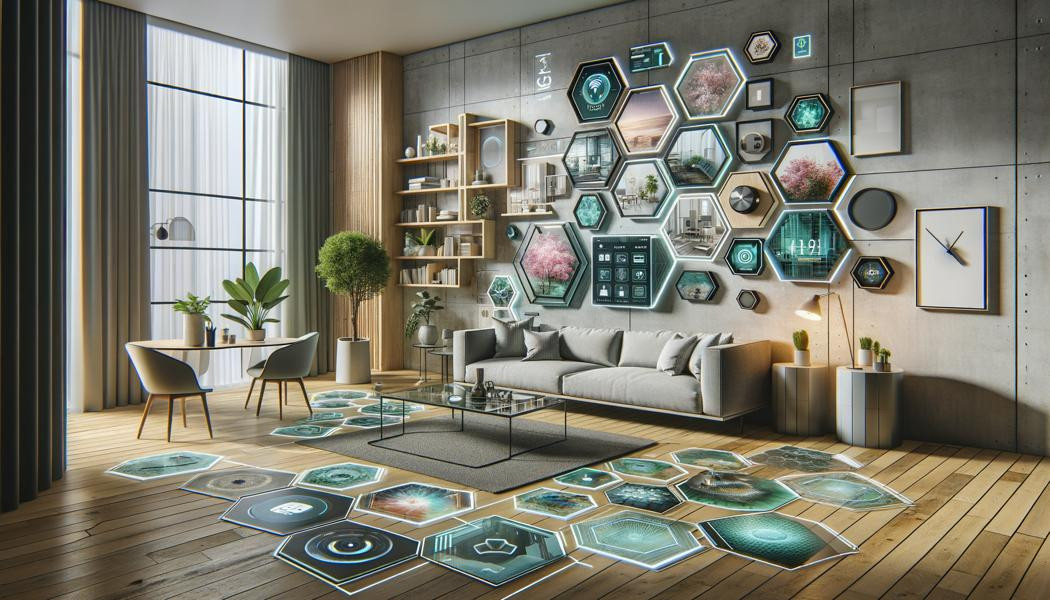
The field of connected floor renovation is rapidly expanding and continues to evolve quickly. By 2025, several trends are emerging that are shaping the future of this industry. In this article, we will take a detailed look at these trends, the innovative materials that are emerging, the influence of technology, as well as the advantages and challenges of connected floor renovation. This article aims to inform consumers and professionals about the new opportunities available to them and prepare them for upcoming changes in the sector.
Do you need help with connected floor renovations? Quickly find a qualified service provider on Helplease and enjoy a customized service tailored to all your needs. Discover professionals near you!The trends in connected floor renovation for 2025 are numerous and diverse. First, the integration of smart features into floors is on the rise. More and more products allow the automated management of temperature, lighting, and even home security. These innovations offer an unprecedented level of comfort. Next, we are witnessing a surge in ecological materials, driven by growing environmental awareness. Consumers are increasingly concerned about the ecological impact of their choices, which is driving the demand for sustainable and recyclable options.
Another interesting trend is the personalization of connected floors. Manufacturers are beginning to offer custom solutions, allowing clients to choose specific designs, colors, and textures. This allows for a seamless integration of these innovations into various interior styles while preserving the desired aesthetic. At the same time, the use of augmented reality (AR) in product presentations makes the decision process easier. Clients can visualize connected floors in their own homes before making a final choice.
Finally, connectivity and interoperability of systems are becoming major factors. The ability of floors to synchronize with other connected infrastructures in the home is a considerable advantage. Coordination between different smart devices is not limited only to floors, but also includes walls, household appliances, and smart home security systems.
The materials used in floor renovation are also evolving. We are seeing the emergence of new types of coverings that combine flexibility, resistance, and connected features. For example, phase-changing coverings help regulate heat and improve energy efficiency.
The personalization of connected floors is a response to the growing demands of consumers. The possibilities in terms of style and layout ensure the final product fits perfectly into the home. This helps build a positive relationship between the user and their environment.
When it comes to innovative materials for connected floor renovation, several interesting options are emerging. One of the most popular materials is vinyl, due to its durability and ease of installation. This material can be fitted with sensors capable of communicating with other devices, making it an ideal choice for connected solutions. On the other hand, wood-plastic composites (WPC) are also experiencing a surge in popularity, as they combine aesthetics and functionality. These materials are not only weather-resistant but also designed to withstand daily wear while integrating connected technologies.
Another material that is on the rise is high-performance concrete, combined with integrated lighting systems. This choice offers a modern and sleek aesthetic, while allowing the integration of technological elements such as LED lighting responsive to motion sensors or smart home programming.
Bio-based materials are also taking center stage. Products like cork, which is not only durable but also insulating, are increasingly being used. Besides their minimal impact on the environment, these materials also offer a pleasant warmth to the touch.
Modern materials used in connected floor renovations are characterized by their shock-resistance, durability, and ability to integrate smart sensors. Quality standards are tightening, pushing manufacturers to offer high-performance products that guarantee superior longevity.
Eco-friendly technological solutions aim to minimize environmental impact while maximizing performance. These materials are often made from renewable resources, thus contributing to a more sustainable lifestyle.
Technology has a significant impact on connected floor renovation. One of the major influences lies in smart management systems that tell users how to use their space efficiently. Thanks to mobile applications, users can control multiple aspects of their home from their smartphone, such as lighting, temperature, and even monitor their energy consumption.
Advances in artificial intelligence (AI) also play an essential role. These systems can analyze user behavior and automatically adjust settings to maximize comfort and efficiency. For example, embedded sensors can detect the areas of the floor that see the most traffic and adjust heating settings accordingly.
In addition, augmented reality (AR) and virtual reality (VR) are revolutionizing purchasing decisions. Thanks to these technologies, consumers can visualize how connected floors will integrate into their home. This enhances the customer experience and reduces the number of product returns.
The integration of other connected devices in the home is facilitated thanks to technological advances. Floors can interact with appliances, security, and lighting, thus creating a fully connected environment for the resident.
The combination of AI with floor renovation systems not only allows for monitoring, but also for anticipating users’ needs. This makes the user experience more intuitive and tailored to individual preferences.
The advantages of connected floors over traditional solutions are numerous. First, connected floors offer an unrivaled level of comfort and customization. Thanks to sensors and smart home technology, these systems enable automatic adjustments based on the environment and users’ habits. In addition, these solutions enhance security with features such as access control and real-time monitoring.
Another major benefit is energy efficiency. Connected floors can reduce energy costs by optimizing heating and air conditioning, while ensuring the environment remains pleasant. This brings not only economic advantages, but also helps reduce carbon footprint, offering a solution aligned with contemporary environmental concerns.
Connected floors are also more adaptable. If the needs of a space change, these systems can be upgraded or reconfigured without requiring a full renovation, which saves both time and money.
Connected floors often meet high durability standards, meaning they are built to last. This gives them a longer lifespan, further enhancing their cost-effectiveness compared to classic solutions.
The technology that accompanies connected floors also makes them easier to use. Users can adjust their settings simply via apps, making space management much more accessible.
The applications of connected floors in the home are varied and can transform the way we interact with our spaces. In security, integrated motion sensors can alert owners in case of suspicious movement. Users can also receive real-time notifications through a mobile app, allowing them to make quick decisions.
Another area of application is energy management. Floors equipped with smart technologies help optimize the house’s energy consumption. By adjusting the floor heating according to room occupancy, users can make substantial savings on their energy bills.
In terms of comfort, connected floors continuously adjust their temperature to meet residents’ preferences. This promotes a pleasant environment in all rooms of the house, ensuring warmth and comfort for users.
The security features of connected floors are revolutionary. Not only do they detect movement, but they can also notify users of unusual activity via a mobile app. This creates a safer environment, especially for families.
Remote energy management is a major asset of connected floors. Users can monitor and adjust their device settings even when they are not at home. This encourages an eco-friendly lifestyle while optimizing comfort.
The environmental impact of connected floors is part of a broader reflection on sustainable development. These products are often made with recyclable and durable materials that minimize their environmental footprint. By integrating smart technologies, they are also more efficient in terms of energy, helping to reduce overall consumption.
Optimizing heating and air conditioning as well as using low-carbon footprint materials is a clear move towards greener construction. Floor renovations thus make it possible to meet increasingly strict environmental standards while promoting eco-friendly practices.
Furthermore, the extended lifespan of connected floors helps reduce the amount of waste generated by renovations. By avoiding frequent replacements, these products minimize the ecological impact linked to their production and disposal.
Many manufacturers are turning to ecological and durable materials that help reduce environmental impact during manufacturing and disposal. This reflects a growing social awareness for more virtuous practices.
Connected floor renovation encourages the responsible use of resources, thereby supporting sustainable construction practices. This model encourages consumers to choose greener options and participate in initiatives aimed at respecting the environment.
The choice of the right kind of connected floor depends on many factors, including lifestyle, budget, and available space. It is essential to start by assessing your specific needs. For example, if durability is a priority, it is best to opt for materials designed to withstand wear and tear.
In addition, it is important to consider the technological features offered. Depending on your comfort level with technology, each user will need to choose a system that matches their priorities. More tech-savvy people may prefer advanced solutions, while traditional users could opt for options that are easier to manage.
For aesthetic aspects, it is vital to choose a floor that matches the desired interior style. Consumers should also consider the possibility of future changes to their decor, and focus on choices that can remain harmonious with adjustments.
Assessing needs and budget is a crucial step before starting renovations. This includes considering the cost of installation, maintenance, and operation throughout the product’s lifetime.
Aesthetic considerations should also influence the decision-making process. The floor must have an appearance consistent with the rest of the space, thus creating an elegant and harmonious ambiance.
The costs associated with renovating with a connected floor can vary considerably according to several factors. First of all, the type of material chosen directly affects the budget. For example, vinyl floors are generally less expensive than high-performance concrete or premium wood composite ones.
In addition to the materials themselves, installation costs must also be considered. Professional installation can be a significant expense, especially for complex systems requiring advanced technical skills. However, these costs may be justified by the quality of installation and the associated warranty.
Maintenance costs are also an aspect to take into account. Although connected floors may offer energy savings, users should budget for their upkeep, such as cleaning or updates to connected devices.
Material costs should be compared against market prices to ensure an informed choice. Installation quotes should also be requested to accurately estimate the total cost of the renovation.
Budgeting for maintenance is crucial, as expenses can add up over the long term, especially with systems requiring regular technological updates.
To guarantee the longevity of a connected floor, regular maintenance is essential. This includes proper cleaning of surfaces to avoid the accumulation of dirt and dust, which could damage the built-in sensors. Moreover, it is recommended to use non-abrasive cleaning products to preserve the integrity of the materials.
Another aspect of maintenance is periodic checking of integrated technologies. This includes updating software and monitoring the status of sensors. Regular monitoring makes it possible to quickly identify any potential malfunctions that could affect how the system operates.
In high-traffic environments, special attention must be paid to the physical condition of the floors, checking for any damages. Timely repair of small cracks or defects will help extend the life of the floor.
By using gentle and suitable cleaning methods, users can preserve the appearance and functionality of connected floors. Specific maintenance tips may also be provided by manufacturers to ensure long-lasting use.
Active monitoring of connected devices is also a recommended strategy to ensure optimal operation. This involves regularly updating systems and checking their responsiveness.
As with any innovative project, the implementation of connected floors presents several challenges. One of the main obstacles is resistance to change in certain populations. Many consumers may be hesitant to adopt new technologies, fearing technical complications or high costs.
In addition, compliance standards play a crucial role. Manufacturers must comply with strict regulations regarding safety, which can influence production costs and product launch times. Regulatory delays can also affect renovation timelines.
Another challenge concerns the scalability of technologies. Products must be adaptable and upgradeable to keep up with technological advancements. In an ever-changing market, avoiding rapid obsolescence of installed solutions is crucial.
Resistance to change can be a significant barrier to the adoption of connected technologies, making it necessary to invest in client education and incentive programs.
Compliance standards can hinder the implementation process, making it essential for market players to work closely with regulatory authorities.
Consumer perception regarding connected floors in 2025 is evolving rapidly. More and more consumers are recognizing the benefits of connected technologies, such as comfort and energy management. However, doubts remain regarding data security and privacy, leading some to be cautious in their adoption.
Studies show that most consumers are ready to invest in sustainable solutions, but are concerned about initial costs. Companies will therefore need to ensure clear communication about return on investment and the savings achieved over time.
Finally, user feedback plays a crucial role. Individuals are often influenced by recommendations and testimonials from friends or family. Online review platforms, as well as brand transparency, are important elements to positively influence this perception.
User reviews and recommendations are essential to building trust in connected floors. The willingness to share positive or negative experiences can greatly affect purchasing decisions.
The impact of social media on consumer perception is significant. Platforms serve as powerful channels for spreading information and opinions, making corporate marketing communication work crucial.
The future of connected floors looks promising. Many innovations are anticipated, including machine learning systems that will make these solutions even more responsive to user preferences. These improvements will continue to enhance the efficiency, security, and comfort of users.
The emergence of the Internet of Things (IoT) will continue to progress, enabling increased visibility and interaction among all devices in a connected home. This integration will facilitate not only the management of floors, but also the entire connected living environment.
Finally, the shift towards even more sustainable options, based on circular economy principles, will be decisive. This will involve designs that allow maximum recyclability and production from renewable resources.
The integration of advanced artificial intelligence in the management of connected floors will enable even more personalized services, further increasing energy efficiency and comfort.
The focus on circular economy practices and sustainability will usher in a new era in the design and development of connected floors, encouraging all industry players to reinvent themselves.
To summarize, the 2025 trends in connected floor renovation clearly show a shift towards sustainable materials, smart solutions, and total integration into the domestic ecosystem. These innovative floors are not just an aesthetic choice, but also a commitment to the environment and energy management. The future of connected floor renovation promises to be both functional and environmentally friendly.
Whether you need fast help or want to offer your services, Helplease is your solution! Download the app to access qualified experts or find clients with a single click, and simplify your daily life! Available on iOS and Android!